Dawn Lowery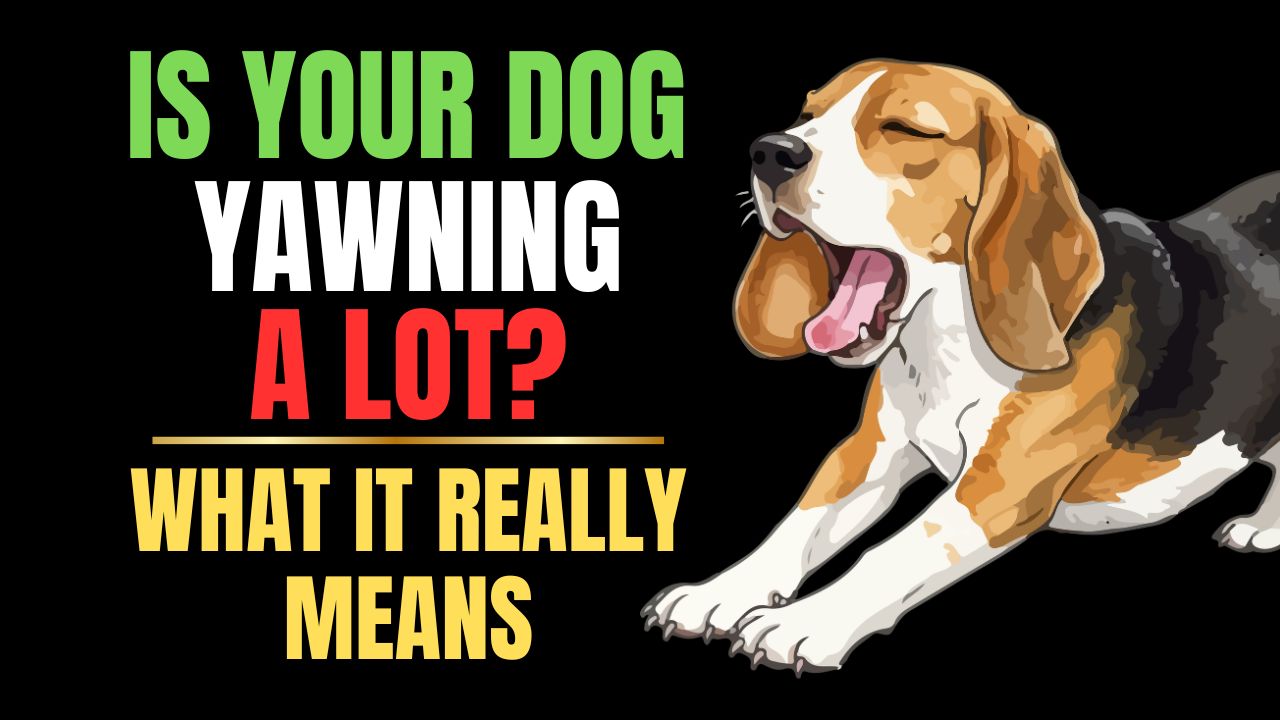
Why Do Dogs Yawn? Surprising Reasons Behind the Behavior
Yawning is one of the most common yet misunderstood behaviors in dogs. While humans primarily yawn when tired or bored, canine yawning serves multiple complex purposes that go far beyond simple fatigue. This subtle behavior offers a fascinating window into your dog's emotional state, communication style, and even physiological needs.
Contrary to popular belief, dogs don't just yawn when they're sleepy. Research has shown that yawning in dogs is often a form of communication, a stress response, or even a social bonding mechanism. Understanding the different contexts and meanings behind your dog's yawns can significantly improve your ability to interpret their needs and strengthen your bond.
This comprehensive guide explores the science behind dog yawning, from physiological mechanisms to emotional signaling. You'll learn to distinguish between different types of yawns, understand what your dog is trying to communicate, and discover how yawning can even be contagious between dogs and humans.
Understanding Dog Yawning
Yawning is a complex physiological behavior observed across mammalian species, but its functions and meanings vary significantly between humans and dogs. While we might associate yawning primarily with tiredness or boredom, dogs use yawning as a multifaceted communication tool that conveys everything from stress to social bonding.
The Science of Yawning
Yawning involves a deep inhalation of air, stretching of the jaw muscles, and often a subsequent exhalation. From a physiological perspective, yawning may help regulate brain temperature, increase oxygen intake, or redistribute surfactant in the lungs. However, the social and communicative aspects of yawning are particularly well-developed in dogs. Research suggests that domestic dogs have evolved more complex yawning behaviors than their wolf ancestors, possibly as an adaptation to living closely with humans. Studies have shown that dogs are more likely to yawn in response to human yawns than to other dogs, indicating a special cross-species social connection that has developed through thousands of years of coevolution.
Yawning as Communication
Dogs use yawning as a calming signal or displacement behavior during mildly stressful situations. This type of yawning serves to diffuse tension, communicate non-threatening intentions, or self-soothe during uncertainty. Understanding this communicative function is key to interpreting your dog's emotional state accurately.
| Yawn Type | Common Context | Likely Meaning |
|---|---|---|
| Stress Yawn | Vet visits, unfamiliar situations | Anxiety, discomfort, uncertainty |
| Social Yawn | During play, with familiar humans | Bonding, empathy, connection |
| Physiological Yawn | After waking, during relaxation | Sleepiness, transition between states |
| Anticipatory Yawn | Before walks, meals, or car rides | Excitement, anticipation, arousal |
Reasons Dogs Yawn
Dogs yawn for various reasons that can be categorized into physiological, emotional, and social functions. Understanding these different motivations helps you respond appropriately to your dog's needs.
Physiological Reasons
Body Regulation
Dogs may yawn to increase oxygen flow, regulate brain temperature, or stretch jaw muscles. These yawns often occur upon waking, during transitions between sleep and wakefulness, or after periods of physical inactivity.
Normal bodily function
Emotional Reasons
Stress & Anxiety
Yawning can signal mild stress, anxiety, or conflict. Dogs often yawn when feeling uncertain, during tense situations, or when experiencing conflicting emotions about how to respond to a situation.
Calming signal
Social Reasons
Communication & Bonding
Dogs use yawning to communicate non-threatening intentions, diffuse tension, or strengthen social bonds. Contagious yawning between dogs and humans may indicate empathy and social connection.
Social behavior
Yawning Causes by Frequency
The Calming Signal Theory
Norwegian dog trainer Turid Rugaas popularized the concept of "calming signals" in dogs, with yawning being one of the most important. According to this theory, dogs use specific behaviors like yawning, lip licking, and turning away to calm themselves in stressful situations and to communicate peaceful intentions to other dogs or humans. A stress yawn is typically more exaggerated than a tired yawn, often accompanied by other stress signals like whale eye (showing the whites of the eyes), tense body posture, or pinned-back ears. Recognizing yawning as a potential calming signal rather than simply fatigue allows owners to respond appropriately by reducing environmental stressors or giving the dog space when needed.
Context Matters: Interpreting Yawns
The meaning behind your dog's yawn depends heavily on the context in which it occurs. The same physical behavior can communicate different messages depending on the situation, accompanying body language, and frequency.
Situational Interpretation
Understanding what was happening immediately before your dog yawned provides crucial clues to its meaning. Different contexts trigger different types of yawns with distinct emotional underpinnings.
| Situation | Likely Meaning | Appropriate Response |
|---|---|---|
| During training sessions | Confusion, stress, or mental fatigue | Take a break, simplify the task |
| At the veterinary clinic | Anxiety, fear, or discomfort | Offer reassurance, use calming techniques |
| When you arrive home | Excitement, anticipation, or relief | Calm greeting, avoid overstimulation |
| During social interactions | Social bonding or mild social stress | Monitor body language, allow choice |
Reading the Full Body Picture
Yawning rarely occurs in isolation. To accurately interpret your dog's yawn, you need to consider the complete body language picture. A stress yawn is typically accompanied by other anxiety signals such as pinned ears, tense facial muscles, whale eye (showing the whites of the eyes), lowered body posture, or tail tucked between the legs. In contrast, a contented or social yawn might occur with relaxed body posture, soft eyes, and a gently wagging tail. An anticipatory yawn before a walk might include excited movements, focused attention on the leash, or playful bows. By observing the entire constellation of body signals rather than focusing solely on the yawn itself, you can much more accurately determine your dog's emotional state and respond appropriately.
Context Assessment Checklist
- What immediately preceded the yawn?
- What is the overall environment like?
- Are there unfamiliar people or animals present?
- Has there been a recent change in routine?
- What other body language is your dog displaying?
- How frequent are the yawns?
- What is your dog's overall health status?
- What is your own emotional state?
Contagious Yawning in Dogs
Contagious yawning - yawning in response to seeing someone else yawn - is a fascinating phenomenon that reveals much about social cognition and empathy in dogs.
The Science of Contagious Yawning
Research has demonstrated that dogs can "catch" yawns from humans, suggesting a level of empathy and social connection previously thought to exist only in humans and some primates. Studies show that dogs are more likely to yawn in response to their owner's yawns than to strangers', indicating the importance of social bonding in this phenomenon.
Empathic Response
Mechanism: Linked to empathy and social bonding
Evidence: More common with familiar humans
Significance: Indicates emotional connection
Research: Supported by multiple studies
Social Alignment
Mechanism: Synchronization with social group
Evidence: Occurs in various social contexts
Significance: Strengthens social bonds
Research: Observed in pack animals
Non-Contagious Yawning
Mechanism: Physiological or stress-related
Evidence: Occurs without social triggers
Significance: Different underlying causes
Research: More common in solitary contexts
What Contagious Yawning Reveals About Your Bond
Research into contagious yawning between dogs and humans has yielded fascinating insights about the human-canine bond. Studies have found that dogs are more likely to yawn in response to their owners' yawns than to strangers', suggesting that the strength of the social bond influences this behavior. Additionally, dogs seem to be more susceptible to contagious yawning from people they have stronger attachments to, indicating that this phenomenon may be related to empathy. Some research has even suggested that dogs who yawn contagiously may score higher on measures of empathy and social awareness. However, it's important to note that not all dogs exhibit contagious yawning, and absence of this behavior doesn't necessarily indicate a weak bond. The phenomenon appears to be influenced by multiple factors including individual personality, breed tendencies, and the quality of the human-dog relationship.
Strengthening Your Bond Through Yawning
While you can't force contagious yawning, understanding this phenomenon can help you appreciate the depth of your connection with your dog and find ways to strengthen your bond through mindful interaction and mutual understanding.
| Bonding Activity | Description | Potential Effect on Yawning |
|---|---|---|
| Quality Time | Focused, positive interaction | May increase social yawning |
| Training Sessions | Positive reinforcement training | Can reduce stress yawning |
| Relaxation Together | Calm coexistence in shared space | May trigger synchronous yawning |
| Mindful Observation | Noticing and responding to signals | Improves communication overall |
Body Language Clues
Yawning is just one piece of the complex puzzle of canine communication. To accurately interpret your dog's yawns, you need to consider the accompanying body language signals that provide context and clarification.
Facial Expressions
Beyond the Yawn
Observe your dog's eyes, ears, and mouth tension. Soft eyes with relaxed eyelids suggest contentment, while whale eye (showing the whites) with tense facial muscles indicates stress.
Face tells the emotional story
Body Posture
The Full Picture
Note whether your dog's body is relaxed and loose or tense and stiff. A lowered body posture with weight shifted backward often accompanies stress yawns, while confident posture suggests social yawning.
Posture reveals emotional state
Other Signals
Cluster Recognition
Look for accompanying behaviors like lip licking, shaking off, scratching, or sniffing the ground. These often occur together with stress yawns as part of a cluster of calming signals.
Signals rarely occur in isolation
Body Language Assessment
| Body Part | Relaxed/Content Signs | Stressed/Anxious Signs |
|---|---|---|
| Eyes | Soft, relaxed, normal eyelid | Whale eye, wide-eyed, hard stare |
| Ears | Natural position, relaxed | Pinned back, tense, rapidly moving |
| Mouth | Soft, slightly open, relaxed | Closed tight, lips pulled back, tension |
| Body | Loose, wiggly, relaxed posture | Stiff, tense, lowered, weight shifted back |
The Concept of Signal Clusters
Canine communication experts emphasize the importance of reading "signal clusters" rather than individual behaviors in isolation. A single yawn might be ambiguous, but when it occurs together with other specific behaviors, its meaning becomes much clearer. For example, a yawn accompanied by lip licking, turning the head away, and a tense body likely indicates stress or anxiety. In contrast, a yawn with relaxed body posture, soft eyes, and a gently wagging tail probably signals contentment or social connection. Learning to recognize these clusters takes practice but dramatically improves your ability to understand what your dog is experiencing emotionally. Pay particular attention to behaviors that occur in quick succession, as these often represent a coherent emotional message rather than random, unrelated actions.
When to Worry About Excessive Yawning
While most yawning is normal canine behavior, excessive or changed yawning patterns can sometimes indicate underlying medical or behavioral issues that require attention.
Medical Concerns
In some cases, increased yawning can signal physical discomfort or health problems. It's important to recognize when yawning patterns might indicate a need for veterinary attention.
| Symptom Pattern | Possible Causes | Recommended Action |
|---|---|---|
| Sudden increase in yawning | Pain, nausea, dental issues | Veterinary examination |
| Yawning with pawing at mouth | Dental pain, oral discomfort | Dental examination |
| Yawning with difficulty eating | Jaw problems, dental issues | Immediate veterinary attention |
| Yawning with other behavior changes | Various medical conditions | Comprehensive veterinary workup |
The Pain-Yawning Connection
Veterinary behaviorists have noted that dogs in pain may yawn more frequently than usual. This appears to be particularly true for pain in the head, neck, or jaw region, but generalized discomfort can also increase yawning. The mechanism isn't fully understood but may relate to the stress of being in pain or specific discomfort in the jaw muscles and temporomandibular joint. If your dog's yawning pattern changes suddenly or is accompanied by other signs of discomfort like decreased activity, changes in appetite, reluctance to be touched in certain areas, or vocalizing when moving, a veterinary examination is warranted. Dental issues are a particularly common cause of increased yawning, as problems with teeth, gums, or the jaw joint can make normal jaw movement uncomfortable. Regular dental checkups are important for maintaining your dog's oral health and comfort.
Behavioral Concerns
When medical causes have been ruled out, persistent excessive yawning may indicate chronic stress or anxiety that requires behavioral intervention.
- Frequent yawning in specific triggering environments
- Yawning accompanied by other stress signals
- Yawning that increases with certain people or animals
- Yawning during training or learning sessions
- Yawning that prevents normal activities or relaxation
The Role of Breed and Individual Differences
Just as humans vary in their yawning habits, dogs also show individual and breed-based differences in yawning frequency and triggers. Some breeds known for being particularly sensitive or empathetic, such as Golden Retrievers and Border Collies, may yawn more frequently in social contexts. Individual personality also plays a significant role - some dogs are simply more demonstrative in their communication than others. Additionally, age can influence yawning patterns, with puppies and young dogs often yawning more during learning and social development, while senior dogs might yawn more due to age-related discomfort or cognitive changes. Understanding your individual dog's baseline yawning behavior helps you recognize when patterns change in ways that might indicate a problem. Keeping a simple log of when and where your dog yawns can reveal patterns that might otherwise go unnoticed.
Frequently Asked Questions
Yes, dogs do yawn when tired, but this represents only one of several reasons for canine yawning. Physiological yawning upon waking or when sleepy serves similar functions in dogs as in humans - potentially helping to increase oxygen intake, regulate brain temperature, or facilitate transitions between sleep states. However, dogs yawn for many other reasons that have little to do with fatigue. Stress yawning, social yawning, and anticipatory yawning are all common in dogs and represent different emotional states. In fact, research suggests that stress-related yawning may be more common in dogs than fatigue-related yawning. The key to distinguishing a tired yawn from other types is context - a yawn after waking or during evening relaxation is likely fatigue-related, while yawning during veterinary visits, training sessions, or social tensions probably has different meanings.
Dogs may yawn when being petted for several reasons. If the yawning occurs with relaxed body language and appears contented, it might be a social bonding behavior or a sign of enjoyment. However, if the yawning is accompanied by tension, avoiding eye contact, or attempts to move away, it could indicate that your dog is feeling stressed or overwhelmed by the interaction. Some dogs yawn when petted in certain areas where they experience discomfort or sensitivity. The context and accompanying body language are crucial for interpretation. If you're unsure, try changing your petting technique - use gentler pressure, avoid sensitive areas like the top of the head, and watch your dog's response. Giving your dog choice in interactions by allowing them to move away if desired can help ensure petting remains a positive experience for both of you.
Yes, research has confirmed that yawning can be contagious between dogs and humans. Multiple studies have demonstrated that dogs are more likely to yawn after seeing a familiar human yawn than after seeing other mouth movements. This phenomenon appears to be linked to empathy and social bonding, as dogs are more responsive to yawns from their owners than from strangers. However, not all dogs exhibit contagious yawning, and the strength of this response varies between individuals. Some researchers believe that contagious yawning may be an indicator of the strength of the human-dog bond. It's worth noting that the contagious yawning response in dogs develops with age - puppies under seven months typically don't show this behavior, suggesting it's connected to social maturation. If your dog yawns when you do, it might be a sign of your strong connection.
It depends on the context and any accompanying signs. Some dogs are naturally more frequent yawners than others, and occasional yawning is normal. However, you should consult your veterinarian if you notice a sudden increase in yawning frequency, especially if it's accompanied by other changes in behavior or signs of discomfort. Specifically, be concerned if excessive yawning occurs with: changes in appetite or eating habits, pawing at the mouth, difficulty chewing, drooling, bad breath, lethargy, vocalizing when yawning or moving the jaw, or avoidance of head petting. These could indicate dental problems, jaw issues, or other medical conditions. If medical causes are ruled out but yawning remains frequent in specific stressful situations, consulting a certified dog behavior consultant can help address underlying anxiety or stress triggers.
Yawning during training sessions typically indicates one of three things: stress/confusion, mental fatigue, or anticipation. Stress yawning occurs when a dog feels uncertain about what's being asked or worried about making a mistake. Mental fatigue yawning happens when a dog's cognitive resources are depleted from intense concentration. Anticipatory yawning can occur when a dog is excited about an upcoming reward but must wait for it. To determine which applies to your dog, observe other body language - stress yawns usually come with tension, avoidance behaviors, or other stress signals, while fatigue yawns might follow prolonged work, and anticipatory yawns often occur when rewards are visible but not yet accessible. If you suspect stress, simplify the task or take a break. For mental fatigue, shorten sessions or make exercises easier. Understanding the cause helps you adjust your training approach appropriately.
Yes, yawning can sometimes be used as a calming signal to help an anxious dog. Because yawning is recognized by dogs as a non-threatening, calming behavior, deliberately yawning in a relaxed manner when your dog seems stressed may help diffuse tension. However, this technique works best for mild anxiety and should be part of a broader approach to helping your dog feel safe. It's important to yawn naturally and calmly rather than in an exaggerated way that might seem strange to your dog. Combine yawning with other calming signals like turning your head slightly away, blinking slowly, and maintaining relaxed body language. For significant anxiety issues, this technique should complement rather than replace professional behavior modification approaches. Remember that while yawning might help in the moment, addressing the underlying causes of anxiety through desensitization, counter-conditioning, and environmental management is essential for long-term improvement.
Puppies yawn for many of the same reasons as adult dogs, but there are some developmental differences. Like adults, puppies yawn when tired, stressed, or uncertain. However, puppies may yawn more frequently during periods of rapid learning and social development as they process new experiences. Very young puppies (under 7 months) typically don't exhibit contagious yawning in response to human yawns, suggesting this social-emotional response develops with maturity. Puppies also have different stress thresholds than adult dogs and may yawn more often in novel situations as they learn to navigate the world. Additionally, puppies experiencing teething discomfort might yawn more frequently due to oral sensitivity. Understanding these developmental differences helps you respond appropriately to your puppy's needs during this important growth period.
Free Printable "Dog Yawning Guide"
This quick-reference guide helps you interpret your dog's yawns and respond appropriately. Print and keep it accessible for easy reference.
How to Use This Guide
This yawning guide provides a quick reference for interpreting different types of dog yawns based on context and accompanying body language. Keep it in a convenient location to help you better understand your dog's communication and strengthen your bond through improved interpretation of this common but complex behavior.
Dog Yawning Interpretation Chart
| Yawn Type | Context Clues | Likely Meaning |
|---|---|---|
| Stress Yawn | New environments, tense situations, accompanied by tension | Anxiety, discomfort, uncertainty |
| Social Yawn | With familiar people/dogs, during relaxed interactions | Bonding, empathy, connection |
| Tired Yawn | After waking, during evening relaxation, bedtime routine | Sleepiness, transition between states |
| Anticipatory Yawn | Before walks, meals, car rides, with excited body language | Excitement, anticipation, arousal |
Yawning Response Guide
- For stress yawns: Reduce environmental stressors, provide space
- For social yawns: Enjoy the bonding moment, respond calmly
- For tired yawns: Respect your dog's need for rest
- For anticipatory yawns: Acknowledge excitement, maintain routine
- For frequent/excessive yawning: Monitor for patterns, consult vet if concerned
- For contagious yawning: Appreciate your social connection
Conclusion: Understanding Your Dog's Yawns
Dog yawning is a complex behavior that serves multiple functions beyond simple fatigue. From physiological regulation to sophisticated social communication, understanding the various meanings behind your dog's yawns can significantly enhance your relationship and ability to meet your dog's needs.
The context in which yawning occurs provides crucial information about its likely meaning. Stress yawns in tense situations, social yawns during bonding moments, tired yawns during relaxation, and anticipatory yawns before exciting events all convey different emotional states. Learning to read the accompanying body language helps clarify these meanings.
The phenomenon of contagious yawning between dogs and humans reveals the depth of our cross-species bond and suggests a level of empathy in dogs that continues to fascinate researchers. This special connection underscores the importance of paying attention to all forms of canine communication, including subtle behaviors like yawning.
While most yawning is normal canine behavior, changes in yawning patterns can sometimes indicate underlying issues that require attention. Being attuned to your dog's baseline behavior helps you recognize when something might be wrong, allowing for prompt veterinary care when needed.
By understanding the rich complexity behind this common behavior, you can deepen your bond with your dog, respond more appropriately to their emotional needs, and appreciate the sophisticated communication system that dogs use to navigate their world and relationships with us.
In the Spotlight




About the Author

Dawn Lowery
Author
Dawn Lowery, CPDT-KA, is a Certified Professional Dog Trainer and AKC Canine Good Citizen Evaluator. She teaches Dog First Aid & CPR, volunteers with Boston Terrier Rescue of CT, and helps families build lasting bonds with their dogs.