 Dawn Lowery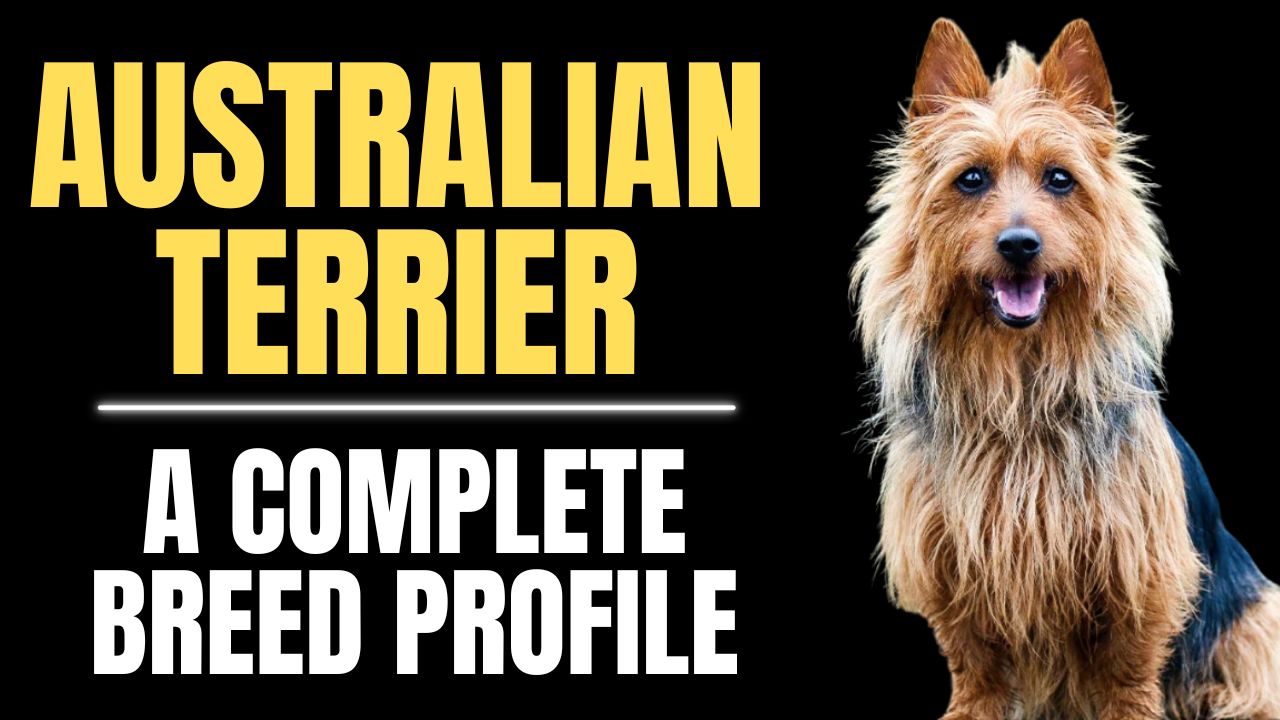
Australian Terrier
The Australian Terrier is a small but sturdy breed known for its spirited personality, loyalty, and distinctive appearance. As one of the smallest terriers, this compact dog packs plenty of character into its small frame. Originally bred in Australia to control rodents and snakes, these tenacious little dogs have evolved into beloved companions with a big heart and even bigger personality.
Known for their intelligence, loyalty, and alert nature, Australian Terriers make excellent watchdogs and devoted family pets. Their rough coat and perky expression give them a distinctive look that sets them apart from other small terrier breeds. Despite their small size, they possess the courage and determination typical of terriers, making them fearless companions for various activities.
In this comprehensive guide, we'll explore everything you need to know about the Australian Terrier—from their fascinating history as versatile working dogs in the harsh Australian outback to their specific care requirements and whether this spirited, intelligent breed might be the right companion for your lifestyle.
Basic Information
The Australian Terrier is a small, sturdy terrier breed known for its loyalty, intelligence, and distinctive rough coat. These dogs combine the typical terrier tenacity with a more adaptable and affectionate nature, making them excellent companions for various households.
| Other Names | Aussie, Australian Rough Coated Terrier |
|---|---|
| Breed Group | Terrier (AKC) |
| Origin | Australia |
| Height | 10-11 inches at shoulder |
| Weight | 12-18 pounds |
| Lifespan | 12-15 years |
| Coat | Double coat: harsh, straight outer coat and soft undercoat |
| Colors | Blue and tan, sandy, red |
| Temperament | Alert, spirited, loyal, intelligent |
| Energy Level | Moderate to high - requires regular daily exercise |
| Good With | Families, singles, seniors, other pets with socialization |
Did You Know?
The Australian Terrier was the first Australian breed to be officially recognized in its native country and the first Australian breed to be recognized internationally. They were originally bred to be versatile working dogs on Australian farms and homesteads, tasked with controlling rodents and snakes while also serving as watchdogs and companions. Their distinctive blue and tan coat was specifically developed to help them blend into the rocky Australian terrain while working. Despite their small size, they were known for their courage in confronting venomous snakes, a trait that earned them respect among early Australian settlers.
History and Origin
The Australian Terrier was developed in the early 19th century in Australia, where it was bred to be a versatile working dog capable of handling the harsh conditions of the Australian outback.
Development in Australia
The Australian Terrier was developed from various British terrier breeds brought to Australia by early settlers. The breeds thought to have contributed to the Australian Terrier include the Cairn Terrier, Scottish Terrier, Yorkshire Terrier, and possibly the Dandie Dinmont Terrier and Irish Terrier. These breeds were crossed to create a small but sturdy dog that could handle the harsh Australian conditions while being an effective ratter and watchdog.
Settlers needed a versatile dog that could control the rodent population, alert them to strangers, and withstand the challenging Australian climate. The resulting breed was hardy, intelligent, and adaptable - qualities that made them invaluable to early Australian settlers. The breed was officially recognized in Australia in 1933 and by the American Kennel Club in 1960.
Breed Recognition and Development
The first Australian Terrier club was formed in Victoria, Australia in 1887. The breed standard was established in 1896, and the Australian Terrier was officially recognized by the Australian National Kennel Council in 1933. The breed was introduced to the United States in the 1940s and gained AKC recognition in 1960. While never achieving massive popularity, Australian Terriers have maintained a dedicated following among those who appreciate their intelligence, loyalty, and manageable size. They remain one of the least common terrier breeds but are highly valued by their enthusiasts for their versatility and companionable nature.
Breed Development Timeline
- Early 19th Century: Developed in Australia from British terrier breeds
- 1887: First breed club formed in Victoria, Australia
- 1896: First breed standard established
- 1933: Officially recognized in Australia
- 1940s: Introduced to the United States
- 1960: Recognized by American Kennel Club
- Present Day: Maintains small but dedicated following worldwide
Appearance & Physical Traits
The Australian Terrier is a small, sturdy, and relatively long-bodied dog with a distinctive rough coat and intelligent expression that reflects its terrier heritage.
Physical Characteristics
- Body: Long in proportion to height, sturdy and low to the ground
- Head: Long with flat skull and slight stop
- Eyes: Small, dark, oval-shaped with keen expression
- Ears: Small, erect, pointed, set high on head
- Tail: Set high, customarily docked, carried erect
- Gait: Free, springy, and forceful
Coat and Colors
The Australian Terrier's distinctive coat requires regular maintenance:
- Coat Type: Double coat with harsh, straight outer coat and soft undercoat
- Color Patterns: Blue and tan, sandy, red
- Distinctive Feature: Soft, silky topknot on head
- Coat Care: Regular brushing and occasional hand-stripping
- Disqualifications: Solid black, white markings on chest
Size and Proportion
Australian Terriers are small but sturdy dogs:
- Height: 10-11 inches at shoulder
- Weight: 12-18 pounds
- Build: Long in proportion to height, sturdy
- Substance: Well-boned, muscular without being bulky
Temperament & Personality
The Australian Terrier's temperament combines intelligence, loyalty, and typical terrier spirit with an affectionate nature that makes them excellent companions.
Intelligent & Alert
Australian Terriers are highly intelligent dogs with excellent problem-solving abilities. They're naturally alert and make excellent watchdogs, quick to notify their owners of anything unusual.
Loyal & Affectionate
These dogs form strong bonds with their families and are known for their devotion. They're typically more affectionate than many terrier breeds and enjoy being close to their people.
Courageous & Spirited
Despite their small size, Australian Terriers possess the courage and determination typical of terriers. They're fearless and will stand their ground when challenged.
Adaptable & Versatile
Australian Terriers are highly adaptable and can thrive in various living situations, from apartments to country homes, as long as their exercise and companionship needs are met.
Important Temperament Considerations
Australian Terriers are intelligent, spirited dogs that require consistent training and socialization. Their terrier heritage means they can be stubborn and may challenge authority if not properly trained. Early and extensive socialization is crucial to ensure they develop appropriate behaviors around other dogs and people. Their high prey drive means they may chase small animals, so secure containment is essential. Australian Terriers are sensitive to their owner's tone and respond poorly to harsh training methods. They thrive on positive reinforcement and clear, consistent communication. These dogs are generally good with children but should be supervised with very young children due to their small size. They can be reserved with strangers but are typically not aggressive without cause.
Temperament Traits
Exercise & Activity Needs
Australian Terriers are moderately energetic dogs that require regular daily exercise and mental stimulation to stay healthy and well-behaved.
Daily Exercise
30-45 Minutes
Brisk walks, active play sessions, or off-leash running in secure areas. Australian Terriers enjoy having space to explore but can adapt to smaller living spaces with proper exercise.
Mental stimulation is as important as physical exercise.
Structured Activities
15-30 Minutes
Obedience training, agility, or other dog sports. These intelligent dogs enjoy learning new things and benefit from activities that engage their minds.
Fulfills their natural intelligence and working instincts.
Mental Stimulation
Daily
Puzzle toys, scent work, and training games provide necessary mental challenges. Their intelligent nature needs regular engagement to prevent boredom.
Prevents destructive behaviors from boredom.
Weekly Exercise Schedule
- Daily: 30-45 minutes of exercise + mental stimulation
- 3-4 times per week: Structured training or working activities
- Weekly: Opportunities for off-leash running in secure areas
- Ongoing: Access to safe exploration and sniffing opportunities
Exercise Considerations
Australian Terrier puppies should not be over-exercised during their growth period to protect developing joints. Avoid strenuous exercise like long runs or jumping until they reach physical maturity around 12-15 months. Always use a sturdy leash or secure fencing, as their strong prey drive may cause them to chase small animals and ignore recall commands. These dogs excel at various dog sports including agility, obedience, earthdog trials, and rally, which provide excellent physical and mental outlets. Australian Terriers generally adapt well to different living situations but need regular opportunities to burn off energy. They thrive when given jobs to do and enjoy participating in activities that engage their natural intelligence and problem-solving abilities.
Diet & Nutrition
Proper nutrition is essential for Australian Terriers, who require a balanced diet to support their active lifestyle and maintain optimal health.
Puppy Diet
0-12 Months
High-quality small breed puppy food formulated for controlled growth, fed 3-4 times daily. Proper nutrition supports healthy bone and joint development.
Puppies need frequent, measured meals for proper growth.
Adult Diet
1-7 Years
High-quality adult dog food with balanced protein and controlled calories. Active adults typically need 1/2 to 1 cup daily, divided into two meals.
Adjust portions based on activity level and metabolism.
Senior Diet
7+ Years
Senior formula with joint support, controlled calories, and adjusted nutrient levels. Monitor weight and adjust portions as activity decreases.
Seniors may need smaller, more frequent meals.
Nutritional Requirements
- Protein: High-quality sources for muscle maintenance (22-26%)
- Fat: Moderate levels for energy without excessive weight gain
- Joint Support: Glucosamine and chondroitin for active dogs
- Omega Fatty Acids: Support skin, coat, and overall health
- Portion Control: Critical to prevent obesity and related health issues
Feeding Considerations
Australian Terriers can be prone to food allergies, which may manifest as skin issues or digestive problems. Some individuals may be sensitive to grains or specific protein sources. Avoid free-feeding and measure all meals to prevent obesity. Use slow feeder bowls if your dog eats too quickly. Always provide fresh water. Australian Terriers have a tendency to gain weight, so regular monitoring and portion control are essential. Consult your veterinarian for specific dietary recommendations based on your Australian Terrier's age, activity level, and health status.
Health & Care
Australian Terriers are generally healthy with a lifespan of 12-15 years, but like all breeds, they can be prone to certain health conditions.
Common Health Concerns
| Health Condition | Description | Prevention/Management |
|---|---|---|
| Patellar Luxation | Knee cap dislocation common in small breeds | Weight management, proper nutrition, screening breeding dogs |
| Diabetes | Insulin deficiency affecting blood sugar regulation | Weight management, regular veterinary screening |
| Allergies | Skin or food allergies causing irritation | Identification of triggers, dietary management, medication |
| Legg-Calve-Perthes | Degeneration of hip joint | Surgical correction if needed, pain management |
| Eye Conditions | Cataracts, progressive retinal atrophy | Regular eye exams, surgical correction if needed |
| Skin Issues | Various dermatological conditions | Proper grooming, allergy management, veterinary care |
Grooming Requirements
The Australian Terrier's distinctive rough coat requires regular maintenance to keep it healthy and looking its best.
Regular Brushing
2-3 Times Weekly
Regular brushing with slicker brush to remove dead hair and prevent mats. Regular ear cleaning, nail trimming, and dental care are also essential.
More frequent brushing during seasonal shedding.
Professional Grooming
Every 8-12 Weeks
Hand-stripping or clipping to maintain coat texture and appearance. Many owners prefer professional grooming to maintain the breed's characteristic look.
Hand-stripping preserves coat texture better than clipping.
Preventive Care
- Regular Veterinary Visits: Annual check-ups, more frequently for seniors
- Dental Care: Daily brushing and professional cleanings as needed
- Weight Management: Regular monitoring to prevent joint stress
- Ear Care: Weekly cleaning and inspection
- Parasite Prevention: Regular flea, tick, and heartworm prevention
Training & Behavior
Training an Australian Terrier requires patience, consistency, and an understanding of their intelligent but independent nature.
Training Approach
- Positive Reinforcement: Use reward-based training with high-value treats, praise, and play
- Early Start: Begin training and socialization from 8-10 weeks old
- Consistency: Establish clear rules and expectations from the beginning
- Patience: Australian Terriers can be stubborn and require patient training
- Short Sessions: Keep training brief and engaging to maintain focus
Socialization Needs
Early and extensive socialization is crucial for Australian Terriers:
- Puppy Classes: Enroll in puppy kindergarten for early socialization
- Various Environments: Expose to different people, places, and situations
- Controlled Introductions: Supervised meetings with various people and animals
- Positive Experiences: Ensure new experiences are positive and not overwhelming
Training Tips
Australian Terriers respond best to positive reinforcement methods and patient, consistent training. Their intelligence means they learn quickly but may challenge commands that seem arbitrary. Socialization is particularly important to ensure they develop appropriate behaviors around other dogs and people. Their terrier instincts mean they need to learn appropriate boundaries with small animals. Training should focus on establishing reliable obedience and solid manners. Remember that Australian Terriers can be independent thinkers, so training should be engaging and rewarding. Be patient and consistent, and celebrate small victories. These dogs excel when given jobs to do and enjoy participating in canine sports that utilize their natural intelligence and problem-solving abilities.
Common Behavioral Issues
- Barking: Alert barking at noises or movement
- Digging: Natural terrier behavior that may be directed at yards
- Chasing: Strong prey drive toward small animals
- Stubbornness: May ignore commands if not properly motivated
- Separation Anxiety: Can develop if not properly acclimated to alone time
Living Environment
Australian Terriers are highly adaptable and can thrive in various living situations when their exercise and mental stimulation needs are met.
Ideal Home Setup
- Space: Adaptable to apartments or houses with yards
- Secure Fencing: Recommended due to their hunting instincts
- Indoor Access: Should live indoors as part of the family
- Comfortable Resting: Comfortable beds to accommodate their small size
Family Compatibility
- Children: Good with respectful children; supervision with young children
- Other Pets: May be challenging with small pets; can get along with other dogs when properly socialized
- Seniors: Excellent companions for active seniors
- First-time Owners: Good choice with commitment to training and consistency
Important Considerations
Australian Terriers are small but active dogs that require proper containment and supervision. Their strong prey drive means they may chase small animals, so secure fencing is recommended. They need consistent leadership and boundaries to thrive as family companions. Their small size makes them suitable for various living situations, but they still need regular exercise and mental stimulation. Potential owners should be prepared for their grooming requirements and need for early and ongoing socialization. Australian Terriers are best suited for households where they receive adequate companionship. They're intelligent dogs who can become bored easily, so mental enrichment is as important as physical exercise. While generally good-natured, they can be reserved with strangers and make excellent watchdogs.
Best Living Situation
The ideal home for an Australian Terrier is with an individual or family who:
- Can provide regular daily exercise and mental stimulation
- Values an intelligent, loyal companion
- Can provide consistent training and leadership
- Is committed to regular grooming and veterinary care
- Wants an adaptable dog suitable for various living situations
Cost & Availability
Australian Terriers are a less common breed with specific considerations regarding cost and availability.
Initial Costs
| Expense | Cost Range | Notes |
|---|---|---|
| Purchase Price | $1,000 - $2,000+ | From reputable breeders; show quality at higher end |
| Adoption Fee | $200 - $500 | From shelters or breed-specific rescues |
| Initial Supplies | $300 - $600 | Crate, bed, bowls, collar, leash, grooming tools |
| Initial Vet Care | $300 - $600 | Exams, vaccinations, spay/neuter, microchip |
| Training Classes | $100 - $300 | Puppy kindergarten and basic obedience |
Annual Costs
- Food: $300 - $500 for high-quality dog food
- Veterinary Care: $400 - $700 for routine care and potential health issues
- Grooming: $400 - $800 for professional grooming every 8-12 weeks
- Preventive Medications: $200 - $400 for flea, tick, and heartworm prevention
- Training/Activities: $100 - $300 for ongoing classes or activities
- Miscellaneous: $200 - $400 for toys, treats, replacements
Availability
- Breeders: Reputable breeders available but less common than some breeds
- Rescues: Available through shelters and breed-specific rescues
- Popularity: Ranked 136th in AKC popularity (2023)
- Geographic Variation: Available throughout the country but less common
- Waiting Period: May be wait for puppies from reputable breeders
Similar Breeds
If you're interested in the Australian Terrier but want to explore similar breeds, consider these alternatives:
Cairn Terrier
Similar terrier temperament and coat type with comparable size and energy level. Generally similar in personality with comparable exercise and grooming needs.
Norwich Terrier
Similar terrier temperament and energy level with prick ears and different coat colors. Generally similar in size with comparable exercise requirements.
Scottish Terrier
Similar terrier temperament but with different appearance and more independent nature. Generally similar in intelligence with different grooming requirements.
West Highland White Terrier
Similar terrier temperament and energy level but with white coat and different appearance. Generally similar in size with comparable exercise requirements.
Frequently Asked Questions
Australian Terriers can be excellent family pets for the right families. They're loyal, intelligent, and generally good with respectful children. However, their small size means they're best suited for families with older children who understand how to handle small dogs gently. They need families who understand and respect their terrier heritage and can provide the structure and leadership they require. With proper training and socialization, they can be wonderful family companions, and they're generally more adaptable and affectionate than many terrier breeds. They're a good choice for families looking for a small but sturdy dog with plenty of personality.
Australian Terriers need about 30-45 minutes of exercise daily, plus mental stimulation. They enjoy brisk walks, active play sessions, and opportunities to explore safely. Their exercise should include daily walks and opportunities for off-leash running in securely fenced areas. Mental stimulation is particularly important for this intelligent breed. They're generally adaptable to different living situations but need regular outdoor activity. It's important to balance sufficient exercise with their small size, especially during their growth period. Puppies should not be over-exercised to protect developing joints. Australian Terriers are active indoors and enjoy interactive play with their families.
Australian Terriers can get along with other dogs, especially when properly socialized from puppyhood. However, their strong terrier instincts mean they may chase cats or other small pets, particularly if they run. Early socialization and training can help manage this instinct, but careful supervision is always recommended. Many Australian Terriers can learn to coexist peacefully with cats they're raised with, but their hunting instincts may still emerge. Introductions to other pets should be done gradually and under controlled circumstances. With proper management, many Australian Terriers live happily with other animals, but their interactions should always be supervised, especially with smaller pets.
Australian Terriers are intelligent and capable learners, but they can be independent and strong-willed, which can make training challenging for inexperienced owners. They respond best to positive reinforcement methods, consistency, and patience. Their intelligence means they learn quickly but may choose not to obey commands if they see no benefit. Training should be engaging and varied to maintain their interest. Early socialization and obedience training are crucial for developing a well-mannered adult. While they're not the easiest breed to train, dedicated owners who use positive methods and understand the terrier personality can achieve excellent results. Their intelligence means they excel at advanced training and dog sports.
Australian Terriers are considered a low to moderate shedding breed. Their harsh, wiry coat sheds minimally compared to many breeds, but they do require regular grooming to maintain their coat's health and appearance. Regular brushing helps remove dead hair, and professional grooming every 8-12 weeks is typically recommended. While no dog is completely non-shedding, Australian Terriers shed significantly less than many other breeds. Regular grooming not only controls shedding but also helps distribute skin oils and keep the coat healthy. Their low to moderate shedding characteristic makes them a reasonable choice for people with mild allergies, though no terrier is truly hypoallergenic.
The average lifespan of an Australian Terrier is 12-15 years, which is typical for a small breed. With excellent care, some individuals may live slightly longer. Factors that influence lifespan include genetics, diet, exercise, preventive veterinary care, and management of any health issues. Providing a healthy lifestyle with proper weight management, regular veterinary check-ups, attention to joint health, and prompt treatment of any health concerns can help ensure your Australian Terrier lives a long, healthy life. Like all breeds, they can be prone to certain health conditions that can affect quality of life and longevity, so working with a reputable breeder who health tests their breeding stock is important.
Australian Terriers can be a good choice for first-time dog owners who are prepared for their training and exercise needs. Their small size and adaptability make them suitable for various living situations, and they're generally more affectionate and less independent than some terrier breeds. However, first-time owners should be prepared for their intelligence and potential stubbornness, which can be challenging without consistent training. A dedicated first-time owner who does thorough research, works with experienced trainers, commits to proper socialization, and is fully prepared for the breed's needs can succeed with an Australian Terrier. They're generally a better choice for first-time owners than many other terrier breeds due to their more adaptable nature.
Australian Terriers have moderate grooming requirements. Their distinctive wiry coat requires regular brushing 2-3 times per week to prevent mats and remove dead hair. Most owners opt for professional grooming every 8-12 weeks to maintain the breed's characteristic appearance, which typically involves hand-stripping or clipping. Hand-stripping preserves the coat's texture better than clipping but requires more skill and is usually done by professional groomers. In addition to coat care, their ears need weekly cleaning to prevent infections, and their nails require regular trimming. While they're not the highest maintenance breed in terms of grooming, they do require more care than short-coated breeds.
Bottom Line: Is an Australian Terrier Right for You?
The Australian Terrier is a delightful breed with a rich history as a versatile working dog, combining intelligence, loyalty, and spirit in a small but sturdy package. These spirited Aussies form strong bonds with their families and bring energy and character to any household. Their adaptability makes them suitable for various living situations, from apartments to country homes, as long as their exercise and companionship needs are met. However, they're not the right choice for everyone. Their intelligence, energy level, and terrier spirit require committed ownership. They thrive in homes with clear leadership and families who understand and respect their terrier heritage and working instincts. If you're looking for an intelligent, loyal companion in a small package and are prepared for their specific needs—including regular exercise, consistent training, and proper grooming—the Australian Terrier might be your perfect match. This spirited breed rewards dedicated owners with unwavering loyalty, impressive intelligence, and versatility that has made them valued companions for over a century.
References and Further Readings
In the Spotlight





About the Author

Dawn Lowery
Author
Dawn Lowery, CPDT-KA, is a Certified Professional Dog Trainer and AKC Canine Good Citizen Evaluator. She teaches Dog First Aid & CPR, volunteers with Boston Terrier Rescue of CT, and helps families build lasting bonds with their dogs.


