 Dawn Lowery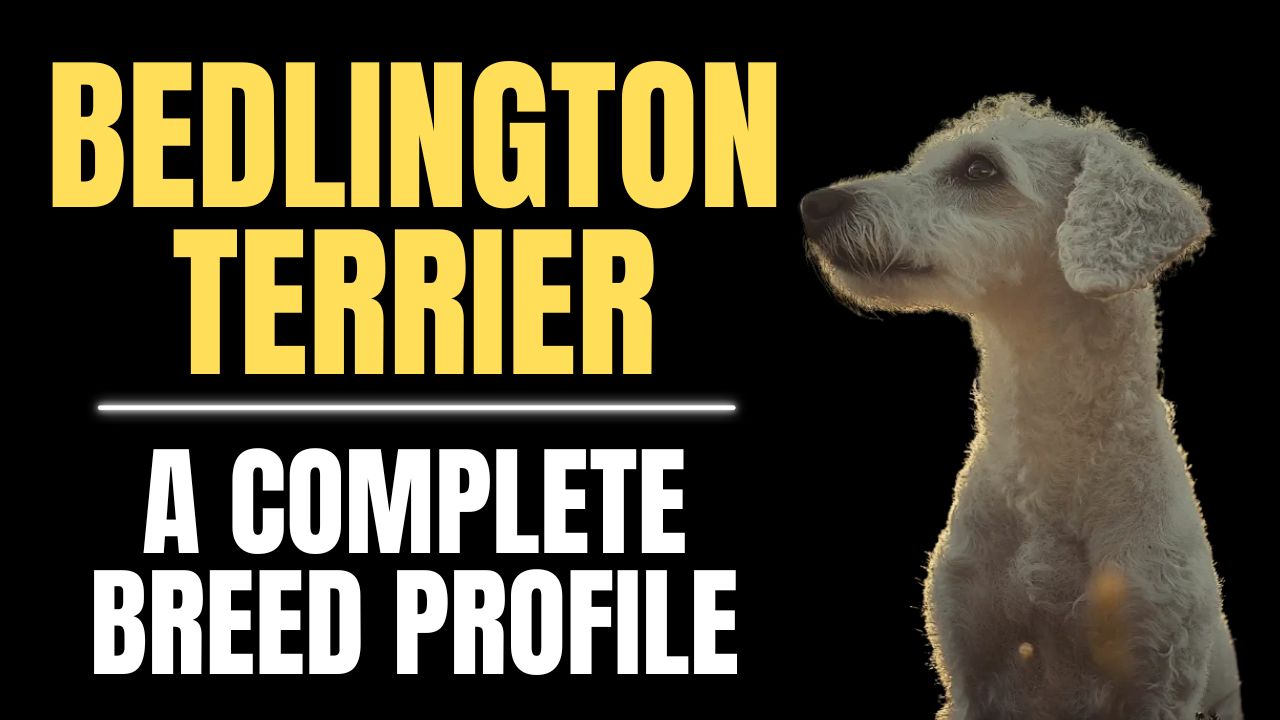
Bedlington Terrier
The Bedlington Terrier is a unique and elegant breed known for its distinctive lamb-like appearance and spirited terrier personality. With its pear-shaped head, arched back, and curly, woolly coat, the Bedlington resembles a gentle lamb but possesses the heart and courage of a true terrier. Originally bred in the mining town of Bedlington in Northumberland, England, these dogs were developed to be versatile working companions capable of hunting vermin, accompanying miners, and even competing in dog racing.
Known for their gentle yet brave nature, Bedlington Terriers combine the elegance of a sight hound with the tenacity of a terrier. Their unique appearance and charming personality have earned them admirers worldwide, though they remain a relatively uncommon breed. Despite their refined looks, Bedlingtons are athletic, agile dogs with surprising speed and endurance.
In this comprehensive guide, we'll explore everything you need to know about the Bedlington Terrier—from their fascinating history as versatile working dogs to their specific care requirements and whether this elegant but spirited breed might be the right companion for your lifestyle.
Basic Information
The Bedlington Terrier is a graceful, medium-sized terrier known for its distinctive lamb-like appearance and unique combination of gentleness and tenacity. These elegant dogs combine the refined looks of a hound with the spirited personality of a terrier.
| Other Names | Rothbury Terrier, Rodbury Terrier |
|---|---|
| Breed Group | Terrier (AKC) |
| Origin | England |
| Height | 15-17.5 inches at shoulder |
| Weight | 17-23 pounds |
| Lifespan | 12-16 years |
| Coat | Unique combination of hard and soft hair, linty texture |
| Colors | Blue, liver, sandy, or any of these with tan points |
| Temperament | Gentle, affectionate, good-tempered, but courageous |
| Energy Level | Moderate to high - requires regular daily exercise |
| Good With | Families, singles, seniors, other pets with socialization |
Did You Know?
The Bedlington Terrier's unique appearance isn't just for show - it served practical purposes in their original work. The pear-shaped head allowed them to reach into narrow spaces when hunting vermin, and the light-colored coat helped miners identify their dogs in the dark mines. Bedlingtons were known as "the gypsy's dog" because they were prized by Romani travelers for their hunting abilities and distinctive appearance. Despite their gentle, lamb-like appearance, Bedlingtons were formidable competitors in dog racing and could reach impressive speeds. Their unique coat is a combination of hard and soft hair that doesn't shed like typical dog hair but instead grows continuously like human hair, requiring regular trimming.
History and Origin
The Bedlington Terrier was developed in the early 19th century in the mining town of Bedlington in Northumberland, England, where it was bred to be a versatile working dog capable of various tasks.
Development in Northumberland
The Bedlington Terrier's origins can be traced to the Rothbury and Rodbury Terriers, which were common in the Northumberland region. The breed was developed by crossing these local terriers with Whippets and possibly Dandie Dinmont Terriers to create a dog that combined the tenacity of a terrier with the speed and elegance of a sighthound. The resulting breed was exceptionally versatile - capable of hunting vermin, accompanying miners, and even competing in dog racing.
The first documented Bedlington Terrier was a dog named Old Flint, who was whelped in 1782 and owned by Squire Trevelyan. The breed was originally known as the Rothbury Terrier before being renamed after the mining town of Bedlington, where it became particularly popular among miners. The Bedlington Terrier was officially recognized by the English Kennel Club in 1875 and by the American Kennel Club in 1886.
Breed Recognition and Development
The first Bedlington Terrier club was formed in England in 1875. The breed standard was established in the late 19th century, emphasizing the unique lamb-like appearance that has become the breed's trademark. Bedlingtons gained popularity among the English upper class in the Victorian era, who appreciated both their distinctive appearance and their versatility. The breed was introduced to the United States in the early 20th century and quickly gained a following. While never achieving massive popularity, Bedlington Terriers have maintained a dedicated following among those who appreciate their unique combination of elegance and spirit. They remain one of the more uncommon terrier breeds but are highly valued by their enthusiasts for their versatility and companionable nature.
Breed Development Timeline
- 1782: First documented Bedlington Terrier, Old Flint
- Early 19th Century: Developed in Bedlington, Northumberland
- 1825: Brought to prominence by Joseph Ainsley
- 1875: First breed club formed in England
- 1877: First shown at official dog show
- 1886: Recognized by American Kennel Club
- Present Day: Maintains small but dedicated following worldwide
Appearance & Physical Traits
The Bedlington Terrier is known for its distinctive lamb-like appearance, graceful build, and unique coat that sets it apart from other terrier breeds.
Physical Characteristics
- Body: Graceful, muscular, and flexible with a distinctive arched back
- Head: Pear-shaped or wedge-shaped with a rounded skull
- Eyes: Small, bright, and deep-set with a gentle expression
- Ears: Triangular with rounded tips, covered with fine hair
- Tail: Set low, tapering, curved slightly, not carried over back
- Gait: Unique, light, and springy, capable of great speed
Coat and Colors
The Bedlington's distinctive coat requires special maintenance:
- Coat Type: Unique combination of hard and soft hair, linty texture
- Color Patterns: Blue, liver, sandy, or any of these with tan points
- Distinctive Feature: Lighter colored hair on top of the head (topknot)
- Coat Care: Regular brushing and professional trimming every 6-8 weeks
- Special Note: Puppies are born dark and lighten as they mature
Size and Proportion
Bedlington Terriers are medium-sized, elegant dogs:
- Height: 15-17.5 inches at shoulder
- Weight: 17-23 pounds
- Build: Graceful but muscular, longer than tall
- Substance: Well-boned, muscular without being bulky
Temperament & Personality
The Bedlington Terrier's temperament combines the gentleness and affection of a companion dog with the courage and spirit of a true terrier.
Gentle & Affectionate
Bedlingtons are known for their gentle, affectionate nature with their families. They form strong bonds and enjoy being close to their people, often described as "velcro dogs."
Courageous & Spirited
Despite their gentle appearance, Bedlingtons possess the courage and determination typical of terriers. They're fearless when challenged and will stand their ground.
Intelligent & Alert
Bedlington Terriers are highly intelligent dogs with excellent problem-solving abilities. They're naturally alert and make excellent watchdogs.
Good-Tempered & Adaptable
Bedlingtons are generally good-tempered and can adapt well to various living situations. They're typically more relaxed indoors than many terrier breeds.
Important Temperament Considerations
Bedlington Terriers are intelligent, spirited dogs that require consistent training and socialization. Their terrier heritage means they can be stubborn and may challenge authority if not properly trained. Early and extensive socialization is crucial to ensure they develop appropriate behaviors around other dogs and people. Their strong prey drive means they may chase small animals, so secure containment is essential. Bedlingtons are sensitive to their owner's tone and respond poorly to harsh training methods. They thrive on positive reinforcement and clear, consistent communication. These dogs are generally good with children but should be supervised with very young children. They can be reserved with strangers but are typically not aggressive without cause. Some Bedlingtons may display dog aggression, particularly with same-sex dogs, so careful introductions are important.
Temperament Traits
Exercise & Activity Needs
Bedlington Terriers are moderately energetic dogs that require regular daily exercise and mental stimulation to stay healthy and well-behaved.
Daily Exercise
30-45 Minutes
Brisk walks, active play sessions, or off-leash running in secure areas. Bedlingtons enjoy having space to run and explore but can adapt to smaller living spaces with proper exercise.
Mental stimulation is as important as physical exercise.
Structured Activities
15-30 Minutes
Obedience training, agility, or other dog sports. These intelligent dogs enjoy learning new things and benefit from activities that engage their minds.
Fulfills their natural intelligence and working instincts.
Mental Stimulation
Daily
Puzzle toys, scent work, and training games provide necessary mental challenges. Their intelligent nature needs regular engagement to prevent boredom.
Prevents destructive behaviors from boredom.
Weekly Exercise Schedule
- Daily: 30-45 minutes of exercise + mental stimulation
- 3-4 times per week: Structured training or working activities
- Weekly: Opportunities for off-leash running in secure areas
- Ongoing: Access to safe exploration and sniffing opportunities
Exercise Considerations
Bedlington Terrier puppies should not be over-exercised during their growth period to protect developing joints. Avoid strenuous exercise like long runs or jumping until they reach physical maturity around 12-15 months. Always use a sturdy leash or secure fencing, as their strong prey drive may cause them to chase small animals and ignore recall commands. These dogs excel at various dog sports including agility, obedience, earthdog trials, and rally, which provide excellent physical and mental outlets. Bedlingtons generally adapt well to different living situations but need regular opportunities to burn off energy. They thrive when given jobs to do and enjoy participating in activities that engage their natural intelligence and problem-solving abilities. Their sighthound heritage means they can be surprisingly fast runners and enjoy opportunities to stretch their legs in safe, enclosed areas.
Diet & Nutrition
Proper nutrition is essential for Bedlington Terriers, who require a balanced diet to support their active lifestyle and maintain optimal health.
Puppy Diet
0-12 Months
High-quality medium breed puppy food formulated for controlled growth, fed 3-4 times daily. Proper nutrition supports healthy bone and joint development.
Puppies need frequent, measured meals for proper growth.
Adult Diet
1-7 Years
High-quality adult dog food with balanced protein and controlled calories. Active adults typically need 1 to 1.5 cups daily, divided into two meals.
Adjust portions based on activity level and metabolism.
Senior Diet
7+ Years
Senior formula with joint support, controlled calories, and adjusted nutrient levels. Monitor weight and adjust portions as activity decreases.
Seniors may need smaller, more frequent meals.
Nutritional Requirements
- Protein: High-quality sources for muscle maintenance (22-26%)
- Fat: Moderate levels for energy without excessive weight gain
- Joint Support: Glucosamine and chondroitin for active dogs
- Omega Fatty Acids: Support skin, coat, and overall health
- Portion Control: Critical to prevent obesity and related health issues
Feeding Considerations
Bedlington Terriers have a genetic predisposition to copper storage disease, a serious condition where copper accumulates in the liver. For this reason, it's important to feed a diet formulated to be low in copper. Avoid foods with high copper content such as liver, shellfish, and certain legumes. Bedlingtons can be prone to food allergies, which may manifest as skin issues or digestive problems. Some individuals may be sensitive to grains or specific protein sources. Avoid free-feeding and measure all meals to prevent obesity. Use slow feeder bowls if your dog eats too quickly. Always provide fresh water. Consult your veterinarian for specific dietary recommendations based on your Bedlington's age, activity level, and health status.
Health & Care
Bedlington Terriers are generally healthy with a lifespan of 12-16 years, but like all breeds, they can be prone to certain health conditions.
Common Health Concerns
| Health Condition | Description | Prevention/Management |
|---|---|---|
| Copper Storage Disease | Genetic disorder causing copper accumulation in liver | Genetic testing, low-copper diet, regular monitoring |
| Patellar Luxation | Knee cap dislocation common in small breeds | Weight management, proper nutrition, screening breeding dogs |
| Renal Cortical Hypoplasia | Kidney development issue | Genetic testing, management of symptoms |
| Eye Conditions | Distichiasis, retinal dysplasia | Regular eye exams, surgical correction if needed |
| Allergies | Skin or food allergies causing irritation | Identification of triggers, dietary management, medication |
| Dental Issues | Tendency toward dental problems | Regular dental care, professional cleanings |
Grooming Requirements
The Bedlington's distinctive coat requires special maintenance to keep it healthy and looking its best.
Regular Brushing
2-3 Times Weekly
Regular brushing with slicker brush to prevent mats and remove dead hair. Regular ear cleaning, nail trimming, and dental care are also essential.
More frequent brushing needed to prevent matting.
Professional Grooming
Every 6-8 Weeks
Professional trimming to maintain the breed's distinctive lamb-like appearance. Most owners prefer professional grooming to achieve the proper breed clip.
Learning to trim at home is possible but challenging.
Preventive Care
- Regular Veterinary Visits: Annual check-ups, more frequently for seniors
- Dental Care: Daily brushing and professional cleanings as needed
- Weight Management: Regular monitoring to prevent joint stress
- Ear Care: Weekly cleaning and inspection
- Parasite Prevention: Regular flea, tick, and heartworm prevention
- Genetic Testing: Recommended for copper storage disease
Training & Behavior
Training a Bedlington Terrier requires patience, consistency, and an understanding of their intelligent but independent nature.
Training Approach
- Positive Reinforcement: Use reward-based training with high-value treats, praise, and play
- Early Start: Begin training and socialization from 8-10 weeks old
- Consistency: Establish clear rules and expectations from the beginning
- Patience: Bedlingtons can be stubborn and require patient training
- Short Sessions: Keep training brief and engaging to maintain focus
Socialization Needs
Early and extensive socialization is crucial for Bedlington Terriers:
- Puppy Classes: Enroll in puppy kindergarten for early socialization
- Various Environments: Expose to different people, places, and situations
- Controlled Introductions: Supervised meetings with various people and animals
- Positive Experiences: Ensure new experiences are positive and not overwhelming
Training Tips
Bedlington Terriers respond best to positive reinforcement methods and patient, consistent training. Their intelligence means they learn quickly but may challenge commands that seem arbitrary. Socialization is particularly important to ensure they develop appropriate behaviors around other dogs and people. Their terrier instincts mean they need to learn appropriate boundaries with small animals. Training should focus on establishing reliable obedience and solid manners. Remember that Bedlingtons can be independent thinkers, so training should be engaging and rewarding. Be patient and consistent, and celebrate small victories. These dogs excel when given jobs to do and enjoy participating in canine sports that utilize their natural intelligence and problem-solving abilities. Their sensitivity means they respond poorly to harsh corrections, so focus on positive methods.
Common Behavioral Issues
- Stubbornness: May ignore commands if not properly motivated
- Chasing: Strong prey drive toward small animals
- Barking: Alert barking at noises or movement
- Digging: Natural terrier behavior that may be directed at yards
- Dog Aggression: Some individuals may be aggressive with same-sex dogs
Living Environment
Bedlington Terriers are adaptable and can thrive in various living situations when their exercise and mental stimulation needs are met.
Ideal Home Setup
- Space: Adaptable to apartments or houses with yards
- Secure Fencing: Recommended due to their hunting instincts and speed
- Indoor Access: Should live indoors as part of the family
- Comfortable Resting: Comfortable beds to accommodate their medium size
Family Compatibility
- Children: Good with respectful children; supervision with young children
- Other Pets: May be challenging with small pets; can get along with other dogs when properly socialized
- Seniors: Excellent companions for active seniors
- First-time Owners: Possible with commitment to training and consistency
Important Considerations
Bedlington Terriers are medium-sized but active dogs that require proper containment and supervision. Their strong prey drive means they may chase small animals, so secure fencing is recommended. They need consistent leadership and boundaries to thrive as family companions. Their unique coat requires regular grooming to maintain its appearance and health. Potential owners should be prepared for their grooming requirements and need for early and ongoing socialization. Bedlingtons are best suited for households where they receive adequate companionship. They're intelligent dogs who can become bored easily, so mental enrichment is as important as physical exercise. While generally good-natured, they can be reserved with strangers and make excellent watchdogs. Some individuals may display dog aggression, particularly with same-sex dogs, so careful introductions and management are important.
Best Living Situation
The ideal home for a Bedlington Terrier is with an individual or family who:
- Can provide regular daily exercise and mental stimulation
- Values an intelligent, loyal companion with unique appearance
- Can provide consistent training and leadership
- Is committed to regular grooming and veterinary care
- Understands and can manage potential health issues like copper storage disease
Cost & Availability
Bedlington Terriers are a less common breed with specific considerations regarding cost and availability.
Initial Costs
| Expense | Cost Range | Notes |
|---|---|---|
| Purchase Price | $1,500 - $2,500+ | From reputable breeders; show quality at higher end |
| Adoption Fee | $300 - $600 | From shelters or breed-specific rescues |
| Initial Supplies | $400 - $700 | Crate, bed, bowls, collar, leash, grooming tools |
| Initial Vet Care | $400 - $700 | Exams, vaccinations, spay/neuter, microchip |
| Training Classes | $150 - $300 | Puppy kindergarten and basic obedience |
Annual Costs
- Food: $400 - $600 for high-quality dog food
- Veterinary Care: $500 - $800 for routine care and potential health issues
- Grooming: $600 - $1,000 for professional grooming every 6-8 weeks
- Preventive Medications: $300 - $500 for flea, tick, and heartworm prevention
- Training/Activities: $100 - $300 for ongoing classes or activities
- Miscellaneous: $300 - $500 for toys, treats, replacements
Availability
- Breeders: Reputable breeders available but less common than some breeds
- Rescues: Available through shelters and breed-specific rescues
- Popularity: Ranked 142nd in AKC popularity (2023)
- Geographic Variation: Available throughout the country but less common
- Waiting Period: Often a wait for puppies from reputable breeders
Similar Breeds
If you're interested in the Bedlington Terrier but want to explore similar breeds, consider these alternatives:
Soft Coated Wheaten Terrier
Similar gentle temperament and soft coat but larger in size. Generally similar in personality with comparable energy and grooming needs in a larger package.
Kerry Blue Terrier
Similar soft coat and terrier temperament but larger and more robust. Generally similar in intelligence with different grooming requirements.
Whippet
Similar graceful build and speed but with different coat and more gentle temperament. Shares the sighthound heritage of the Bedlington.
Dandie Dinmont Terrier
Similar unique appearance and terrier temperament but with different body type. Shares the distinctive topknot and gentle yet determined nature.
Frequently Asked Questions
Bedlington Terriers can be excellent family pets for the right families. They're loyal, affectionate, and generally good with respectful children. However, their medium size and sometimes sensitive nature mean they're best suited for families with older children who understand how to interact gently with dogs. They need families who understand and respect their terrier heritage and can provide the structure and leadership they require. With proper training and socialization, they can be wonderful family companions, and they're generally more adaptable and less intense than some terrier breeds. They're a good choice for families looking for a dog with unique appearance and personality who can adapt to various living situations.
Bedlington Terriers need about 30-45 minutes of exercise daily, plus mental stimulation. They enjoy brisk walks, active play sessions, and opportunities to run in safely enclosed areas. Their exercise should include daily walks and opportunities for off-leash running in securely fenced areas. Mental stimulation is particularly important for this intelligent breed. They're generally adaptable to different living situations but need regular outdoor activity. It's important to balance sufficient exercise with their medium size, especially during their growth period. Puppies should not be over-exercised to protect developing joints. Bedlingtons are active indoors and enjoy interactive play with their families. Their sighthound heritage means they appreciate opportunities to run at full speed in safe environments.
Bedlington Terriers can get along with other dogs, especially when properly socialized from puppyhood. However, their strong terrier instincts mean they may chase cats or other small pets, particularly if they run. Early socialization and training can help manage this instinct, but careful supervision is always recommended. Many Bedlingtons can learn to coexist peacefully with cats they're raised with, but their hunting instincts may still emerge. Introductions to other pets should be done gradually and under controlled circumstances. Some Bedlingtons may display dog aggression, particularly with same-sex dogs, so careful management is important. With proper management, many Bedlingtons live happily with other animals, but their interactions should always be supervised, especially with smaller pets.
Bedlington Terriers are intelligent and capable learners, but they can be independent and strong-willed, which can make training challenging for inexperienced owners. They respond best to positive reinforcement methods, consistency, and patience. Their intelligence means they learn quickly but may choose not to obey commands if they see no benefit. Training should be engaging and varied to maintain their interest. Early socialization and obedience training are crucial for developing a well-mannered adult. While they're not the easiest breed to train, dedicated owners who use positive methods and understand the terrier personality can achieve excellent results. Their intelligence means they excel at advanced training and dog sports. Their sensitivity means they respond poorly to harsh corrections, so focus on positive reinforcement methods.
Bedlington Terriers are considered a low-shedding breed, which makes them a good choice for people with allergies. Their unique coat sheds minimally compared to many breeds. However, they do require regular grooming to maintain their coat's health and appearance. Regular brushing helps remove dead hair, and professional grooming every 6-8 weeks is typically recommended to maintain their distinctive lamb-like clip. While no dog is completely non-shedding, Bedlingtons shed significantly less than many other breeds. Regular grooming not only controls shedding but also helps distribute skin oils and keep the coat healthy. Their low-shedding characteristic is one reason they're often recommended for allergy sufferers, though no dog is truly hypoallergenic.
The average lifespan of a Bedlington Terrier is 12-16 years, which is typical for a medium-sized breed. With excellent care, some individuals may live slightly longer. Factors that influence lifespan include genetics, diet, exercise, preventive veterinary care, and management of any health issues. Providing a healthy lifestyle with proper weight management, regular veterinary check-ups, attention to joint health, and prompt treatment of any health concerns can help ensure your Bedlington lives a long, healthy life. Like all breeds, they can be prone to certain health conditions that can affect quality of life and longevity, so working with a reputable breeder who health tests their breeding stock is important, particularly for conditions like copper storage disease.
Bedlington Terriers can be a good choice for first-time dog owners who are prepared for their training and grooming needs. Their adaptable nature and generally good temperament make them suitable for various living situations. However, first-time owners should be prepared for their intelligence and potential stubbornness, which can be challenging without consistent training. Their unique grooming requirements also represent a significant commitment in terms of both time and money. A dedicated first-time owner who does thorough research, works with experienced trainers, commits to proper socialization, and is fully prepared for the breed's needs can succeed with a Bedlington Terrier. They're generally a better choice for first-time owners than many other terrier breeds due to their more adaptable and less intense nature.
Bedlington Terriers have high grooming requirements due to their unique coat. Their distinctive linty coat requires regular brushing 2-3 times per week to prevent mats and remove dead hair. Most owners opt for professional grooming every 6-8 weeks to maintain the breed's characteristic lamb-like appearance, which involves specific clipping patterns. Learning to trim a Bedlington at home is possible but challenging and typically requires instruction from an experienced groomer. In addition to coat care, their ears need weekly cleaning to prevent infections, and their nails require regular trimming. While they're one of the higher maintenance breeds in terms of grooming, many owners find the distinctive appearance well worth the effort. Regular grooming not only maintains their appearance but also contributes to their overall health.
Bottom Line: Is a Bedlington Terrier Right for You?
The Bedlington Terrier is a truly unique breed with a distinctive lamb-like appearance that belies its spirited terrier heart. These elegant dogs combine the grace of a sighthound with the tenacity of a terrier, creating a companion that is both gentle and courageous. Their unique appearance, intelligence, and adaptable nature have earned them a dedicated following among those who appreciate their special qualities. However, they're not the right choice for everyone. Their high grooming requirements, potential health issues like copper storage disease, and need for consistent training require committed ownership. They thrive in homes with clear leadership and families who understand and respect both their terrier spirit and their gentle nature. If you're looking for a truly unique companion with an elegant appearance and spirited personality and are prepared for their specific needs—including regular grooming, consistent training, and attention to potential health issues—the Bedlington Terrier might be your perfect match. This lamb-like terrier rewards dedicated owners with unwavering loyalty, impressive intelligence, and a unique charm that has captivated dog lovers for centuries.
References and Further Readings
In the Spotlight





About the Author

Dawn Lowery
Author
Dawn Lowery, CPDT-KA, is a Certified Professional Dog Trainer and AKC Canine Good Citizen Evaluator. She teaches Dog First Aid & CPR, volunteers with Boston Terrier Rescue of CT, and helps families build lasting bonds with their dogs.


