 Dawn Lowery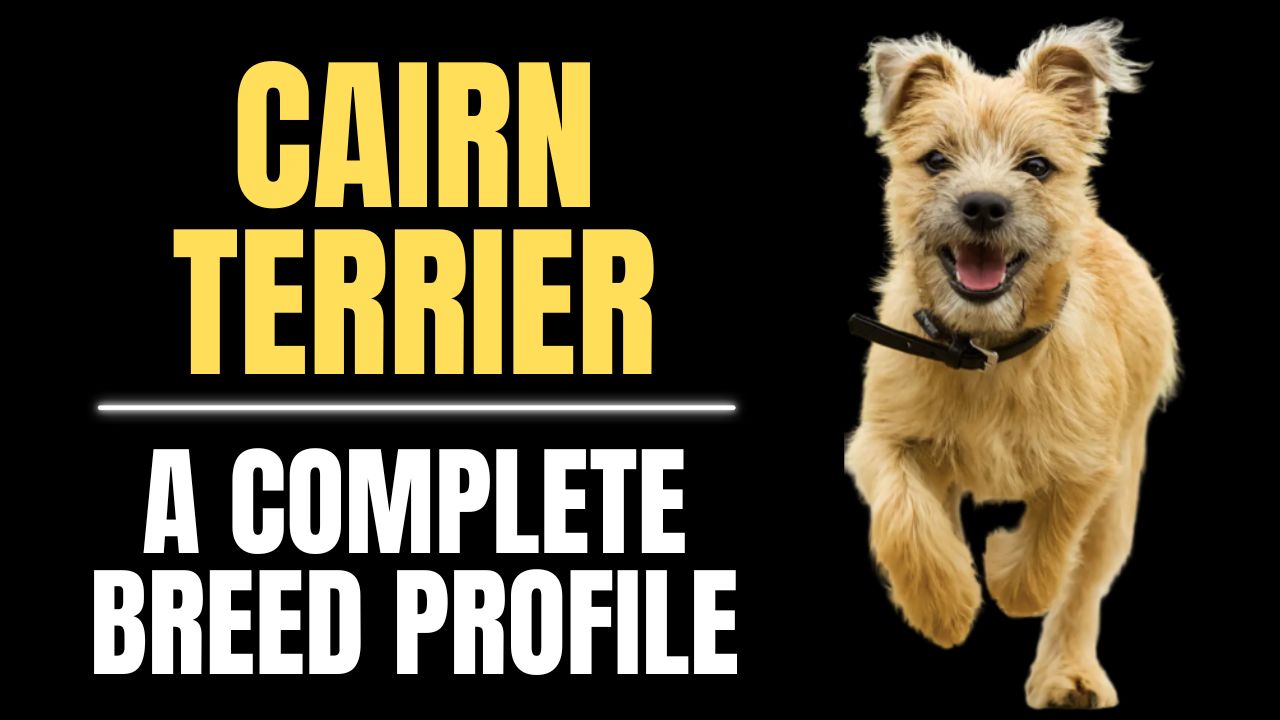
Cairn Terrier
The Cairn Terrier is a small but mighty breed with a big personality packed into a compact frame. Originating from the Scottish Highlands, these hardy little dogs were bred to hunt vermin among the cairns (rock piles) that dot the Scottish landscape. With their shaggy coats, bright eyes, and perpetually alert expression, Cairn Terriers embody the rugged spirit of their homeland.
Perhaps most famous as Toto from The Wizard of Oz, the Cairn Terrier has captured hearts worldwide with its plucky demeanor and unwavering loyalty. Despite their small stature, these dogs possess the courage and determination of much larger breeds, making them excellent watchdogs and devoted companions.
In this comprehensive guide, we'll explore everything you need to know about the Cairn Terrier—from their fascinating history in the Scottish Highlands to their specific care requirements and whether this spirited, intelligent breed might be the perfect addition to your family.
Basic Information
The Cairn Terrier is a small, hardy working terrier known for its fearless nature, intelligence, and distinctive shaggy appearance. These compact dogs pack plenty of personality into their small frames and make devoted companions for the right owners.
| Other Names | None commonly used |
|---|---|
| Breed Group | Terrier (AKC) |
| Origin | Scotland |
| Height | 9-13 inches at shoulder |
| Weight | 13-18 pounds |
| Lifespan | 12-15 years |
| Coat | Double coat: harsh, weather-resistant outer coat and soft undercoat |
| Colors | Cream, wheaten, red, gray, or nearly black; often brindled |
| Temperament | Alert, cheerful, busy, fearless, intelligent |
| Energy Level | Moderate to High - requires regular exercise and mental stimulation |
| Good With | Families, older children, experienced dog owners |
Did You Know?
The Cairn Terrier is one of Scotland's oldest terrier breeds, dating back to the 1500s. They were originally grouped with Scottish Terriers and West Highland White Terriers as simply "Scotch Terriers" until the early 1900s when breed distinctions were formally established. The breed gets its name from its original purpose - hunting vermin in the cairns (man-made piles of stones) that dot the Scottish landscape.
History and Origin
The Cairn Terrier boasts a long history as a working dog in the Scottish Highlands, where they were valued for their vermin-hunting abilities and hardy constitution.
Scottish Origins
The Cairn Terrier originated in the Scottish Highlands and the Isle of Skye, where they were developed to hunt and dispatch vermin that threatened food stores and carried disease. Their small size allowed them to pursue foxes, otters, and rodents into their dens among the rocky cairns and burrows that dotted the landscape.
For centuries, these dogs were simply known as "short-haired Skye Terriers" and were bred purely for working ability rather than appearance. It wasn't until the early 20th century that the breed was officially recognized and named. The first Cairn Terriers were shown in the UK in 1909 under the name "Short-haired Skye Terriers," and the breed was officially recognized by the Kennel Club in 1912.
Breed Recognition and Development
The Cairn Terrier was one of the earliest terrier breeds to be recognized in Britain. The breed faced near-extinction during World War I but was preserved by dedicated breeders. Cairns were brought to the United States in the early 1900s and recognized by the AKC in 1913. Their popularity surged after a Cairn Terrier named Terry played Toto in the 1939 film The Wizard of Oz. Despite their Hollywood fame, Cairn Terriers have remained relatively true to their original type and purpose, with breeders maintaining their working abilities alongside their companion qualities.
Breed Development Timeline
- 1500s: Early terriers working in Scottish Highlands
- 1800s: Bred as "short-haired Skye Terriers"
- 1909: First shown in UK under current type
- 1912: Officially recognized by Kennel Club (UK)
- 1913: Recognized by American Kennel Club
- 1939: Terry the Cairn plays Toto in The Wizard of Oz
- Present Day: Consistently popular as companion and show dog
Appearance & Physical Traits
The Cairn Terrier is a small, sturdy dog with a rustic appearance that reflects its working heritage. Their shaggy coat and alert expression give them a perpetually cheerful, busy look.
Physical Characteristics
- Body: Compact, sturdy, and well-balanced with good bone structure
- Head: Broad skull with definite stop and strong muzzle
- Eyes: Medium-sized, set wide apart, dark hazel with shaggy eyebrows
- Ears: Small, pointed, erect, set wide apart on head
- Tail: Short, carried gaily but not curled over back
- Gait: Free, smooth, and effortless with good reach and drive
Coat and Colors
The Cairn's double coat is weather-resistant and requires regular maintenance:
- Coat Type: Double coat with harsh, wiry outer coat and soft, dense undercoat
- Color Variations: Cream, wheaten, red, gray, or nearly black; brindling common
- Coat Changes: Puppies often change color as they mature
- Acceptable Colors: Any color except white; dark points (ears, muzzle) desirable
- Disqualifications: Solid black, black and tan, white
Size and Proportion
Cairn Terriers are small but substantial dogs:
- Height: 9-13 inches at shoulder
- Weight: 13-18 pounds
- Build: Slightly longer than tall
- Substance: Sturdy bone and well-muscled for size
Temperament & Personality
The Cairn Terrier's temperament combines fearless determination with cheerful affection, creating a complex personality that requires understanding and proper training.
Fearless & Confident
Cairn Terriers are famously brave for their size and won't hesitate to confront much larger animals. This confidence served them well as working terriers but requires management in domestic settings.
Affectionate & Loyal
These dogs form strong bonds with their families and thrive on companionship. They're known for their cheerful disposition and enjoy being involved in family activities.
Intelligent & Inquisitive
Cairns are quick learners with excellent problem-solving abilities. Their curiosity means they're always investigating their surroundings and can get into mischief if bored.
Energetic & Playful
Despite their small size, Cairn Terriers have plenty of energy and maintain their playful nature well into adulthood. They enjoy games and activities that challenge both body and mind.
Important Temperament Considerations
Cairn Terriers are typical terriers with strong instincts that require proper management. Their prey drive means they may chase small animals, and their confidence can lead to conflicts with other dogs if not properly socialized. They can be stubborn and independent, requiring patient, consistent training. Early socialization is crucial to ensure they develop into well-adjusted adults. Cairns are alert barkers and will sound the alarm at anything unusual, making them excellent watchdogs but potentially noisy neighbors. Their intelligence means they need mental stimulation to prevent boredom-related behaviors. With proper training and socialization, they make wonderful companions, but they're not recommended for first-time dog owners or households with small pets.
Temperament Traits
Exercise & Activity Needs
Cairn Terriers are active little dogs that require regular physical exercise and mental stimulation to stay happy and healthy.
Daily Exercise
30-45 Minutes
Daily walks, play sessions, or supervised yard time. Cairns enjoy having a safe space to explore and investigate their surroundings.
Mental stimulation is as important as physical exercise.
Structured Activities
20-30 Minutes
Training sessions, puzzle toys, or dog sports. These intelligent dogs thrive when given challenges that engage their minds.
Fulfills their natural curiosity and intelligence.
Mental Stimulation
Daily
Interactive toys, scent games, and training exercises provide necessary mental challenges. Their intelligent nature needs regular engagement.
Prevents destructive behaviors from boredom.
Weekly Exercise Schedule
- Daily: 30-45 minutes of walking + mental stimulation activities
- 4-5 times per week: Structured training or interactive play
- Weekly: Opportunities for off-leash running in secure areas
- Ongoing: Access to safe exploration and sniffing opportunities
Exercise Considerations
Cairn Terriers should always be exercised in securely fenced areas or on leash, as their strong prey drive may cause them to chase small animals and ignore recall commands. They excel at various dog sports including earthdog trials, agility, and obedience, which provide excellent physical and mental outlets. Puppies should not be over-exercised during their growth period to protect developing joints. These hardy dogs are generally good in various weather conditions due to their weather-resistant coats, but should be protected from extreme temperatures. Cairns enjoy having jobs to do and thrive when given purposeful activities that engage their natural instincts.
Diet & Nutrition
Proper nutrition is essential for Cairn Terriers, who require a balanced diet to support their energy needs and maintain a healthy weight.
Puppy Diet
0-12 Months
High-quality small breed puppy food formulated for controlled growth, fed 3-4 times daily. Proper nutrition supports healthy development.
Puppies need frequent, measured meals for proper growth.
Adult Diet
1-7 Years
High-quality adult dog food with balanced protein and controlled calories. Adults typically need 1/2 to 1 cup daily, divided into two meals.
Adjust portions based on activity level and metabolism.
Senior Diet
7+ Years
Senior formula with joint support, controlled calories, and adjusted nutrient levels. Monitor weight as metabolism slows.
Seniors may need smaller, more frequent meals.
Nutritional Requirements
- Protein: High-quality sources for muscle maintenance
- Fat: Moderate levels for energy without excessive weight gain
- Joint Support: Important for active small breeds
- Dental Health: Kibble size and texture that promotes chewing
- Portion Control: Critical to prevent obesity in small breeds
Feeding Considerations
Cairn Terriers can be prone to obesity if overfed, so careful portion control is essential. Avoid free-feeding and measure all meals. Some Cairns may be prone to food allergies, which can manifest as skin issues. Dental health is particularly important for small breeds, so consider dental chews or teeth-cleaning foods. Always provide fresh water. Cairns can be enthusiastic eaters who may gulp their food, so consider slow-feeder bowls if necessary. Consult your veterinarian for specific dietary recommendations based on your Cairn's age, activity level, and health status.
Health & Care
Cairn Terriers are generally healthy with a lifespan of 12-15 years, but like all breeds, they can be prone to certain health conditions.
Common Health Concerns
| Health Condition | Description | Prevention/Management |
|---|---|---|
| Allergies | Skin or food allergies causing irritation | Identification of triggers, dietary management, medication |
| Luxating Patella | Kneecap dislocation common in small breeds | Weight management, controlled exercise, surgery if severe |
| Globoid Cell Leukodystrophy | Rare inherited neurological disorder | DNA testing of breeding dogs, supportive care for affected dogs |
| Ocular Melanosis | Eye condition causing pigment changes | Regular eye exams, medication to control pressure |
| Liver Shunts | Congenital blood vessel abnormality | Surgical correction, special diet, medication |
| Dental Issues | Crowded teeth, periodontal disease | Regular dental care, professional cleanings |
Grooming Requirements
The Cairn's double coat requires regular maintenance to keep it healthy and looking its best.
Regular Brushing
2-3 Times Weekly
Regular brushing with slicker brush and comb to prevent mats and remove dead hair. Hand-stripping recommended 2-4 times yearly to maintain coat texture.
Clipping changes coat texture and color over time.
Professional Grooming
Every 6-8 Weeks
Professional grooming for trimming, ear cleaning, and nail care. Many owners prefer hand-stripping to maintain the breed's characteristic harsh coat.
Regular grooming maintains skin and coat health.
Preventive Care
- Regular Veterinary Visits: Annual check-ups, more frequently for seniors
- Dental Care: Daily brushing and professional cleanings as needed
- Weight Management: Regular monitoring to prevent joint stress
- Parasite Prevention: Regular flea, tick, and heartworm prevention
- Genetic Testing: Recommended for breeding dogs
Training & Behavior
Training a Cairn Terrier requires patience, consistency, and an understanding of their intelligent but independent nature.
Training Approach
- Positive Reinforcement: Use reward-based training with high-value treats, praise, and play
- Early Start: Begin training and socialization from 8-10 weeks old
- Consistency: Establish clear rules and expectations from the beginning
- Short Sessions: Keep training brief and engaging to maintain focus
- Make it Fun: Cairns respond best to training that feels like play
Socialization Needs
Early and extensive socialization is crucial for Cairn Terriers:
- Puppy Classes: Enroll in puppy kindergarten for early socialization
- Various Environments: Expose to different people, places, and situations
- Controlled Introductions: Supervised meetings with various people and animals
- Positive Experiences: Ensure new experiences are positive and not overwhelming
Training Tips
Cairn Terriers respond best to positive reinforcement methods and patient, consistent training. Their intelligence means they learn quickly but may challenge commands that seem arbitrary. Socialization is particularly important to ensure they can interact appropriately with other dogs and people. Their terrier instincts mean they need to learn appropriate boundaries with small animals. Training should focus on establishing reliable obedience and solid manners. Remember that Cairns can be stubborn and may test boundaries, so consistency is key. These dogs excel when given jobs to do and enjoy participating in canine sports like earthdog trials, agility, and obedience competitions.
Common Behavioral Issues
- Excessive Barking: Alert barking at noises or movement
- Digging: Natural terrier behavior that may be directed at yards or carpets
- Chasing: Strong prey drive toward small animals
- Stubbornness: May ignore commands if not properly motivated
- Resource Guarding: Some may guard food, toys, or sleeping areas
Living Environment
Cairn Terriers are adaptable dogs that can thrive in various living situations when their needs for exercise, mental stimulation, and companionship are met.
Ideal Home Setup
- Space: Well-suited for apartments or homes with small yards
- Secure Fencing: Important for safety due to prey drive and curiosity
- Indoor Access: Should live indoors as part of the family
- Safe Outdoor Access: Supervised yard time or secure containment
Family Compatibility
- Children: Good with respectful older children; supervision with young children
- Other Pets: May be challenging with small pets; can get along with other dogs when properly socialized
- Seniors: Excellent companions for active seniors
- First-time Owners: Possible with commitment to training and consistency
Important Considerations
Cairn Terriers are curious, intelligent dogs that require proper containment and supervision. Their prey drive means they may chase small animals, so secure fencing is essential. They need consistent leadership and boundaries to thrive as family companions. Potential owners should be prepared for their terrier instincts and need for early and ongoing socialization. Cairns are best suited for households where someone is home regularly, as they thrive on companionship. They're alert watchdogs who will bark to alert their families to anything unusual. Their intelligence means they can become bored easily, so mental stimulation is as important as physical exercise.
Best Living Situation
The ideal home for a Cairn Terrier is with an individual or family who:
- Can provide regular exercise and mental stimulation
- Has a securely fenced yard or commitment to leash walking
- Values an intelligent, spirited companion
- Can provide consistent training and boundaries
- Enjoys an alert, watchful dog with personality
Cost & Availability
Cairn Terriers are a moderately popular breed with specific considerations regarding cost and availability.
Initial Costs
| Expense | Cost Range | Notes |
|---|---|---|
| Purchase Price | $1,200 - $2,000+ | From reputable breeders; show quality at higher end |
| Adoption Fee | $300 - $600 | From shelters or breed-specific rescues |
| Initial Supplies | $400 - $700 | Crate, bed, bowls, collar, leash, grooming tools |
| Initial Vet Care | $300 - $600 | Exams, vaccinations, spay/neuter, microchip |
| Training Classes | $150 - $300 | Puppy kindergarten and basic obedience |
Annual Costs
- Food: $300 - $500 for high-quality dog food
- Veterinary Care: $400 - $800 for routine care and potential health issues
- Grooming: $400 - $800 for professional grooming every 6-8 weeks
- Preventive Medications: $200 - $400 for flea, tick, and heartworm prevention
- Training/Activities: $100 - $300 for ongoing classes or activities
- Miscellaneous: $200 - $400 for toys, treats, replacements
Availability
- Breeders: Reputable breeders available but not as common as some breeds
- Rescues: Available through shelters and breed-specific rescues
- Popularity: Consistently ranked around 70th in AKC popularity
- Geographic Variation: Available throughout the country
- Waiting Period: May be wait for puppies from reputable breeders
Similar Breeds
If you're interested in the Cairn Terrier but want to explore similar breeds, consider these alternatives:
West Highland White Terrier
Similar Scottish terrier heritage and personality but with white coat and different appearance. Generally similar in temperament with comparable exercise and grooming needs.
Norfolk Terrier
Similar small terrier personality and hunting background but with different coat and ear carriage. Generally slightly more easygoing with comparable energy levels.
Scottish Terrier
Similar Scottish heritage and terrier temperament but larger and more independent. Generally more reserved with strangers with different grooming requirements.
Border Terrier
Similar working terrier background and energy level but with different coat and appearance. Generally more biddable with different grooming requirements.
Frequently Asked Questions
Cairn Terriers can be excellent family pets for the right families. They're loyal, affectionate, and enjoy being part of family activities. However, their terrier nature means they're best suited for families with older children who understand how to interact with dogs respectfully. Their small size makes them somewhat fragile for rough play with young children. Cairns thrive in homes where they receive consistent training, proper socialization, and plenty of mental and physical stimulation. With the right guidance, they make devoted family companions, but they're not recommended for families with very young children or small pets due to their prey drive.
Cairn Terriers need about 30-45 minutes of exercise daily, plus mental stimulation. They enjoy daily walks, play sessions, and opportunities to explore safely enclosed areas. Mental exercise is particularly important for this intelligent breed - puzzle toys, training games, and activities that engage their natural instincts help prevent boredom. While they're small enough for apartment living, they do need regular outdoor time and activities. A bored Cairn may become destructive or develop nuisance behaviors like excessive barking. Their exercise should be balanced with their age and health status, with puppies and seniors needing adjusted activity levels.
Cairn Terriers are alert watchdogs who tend to bark to announce visitors or unusual occurrences. This makes them excellent alarm systems but potentially noisy companions. Their barking can be managed with proper training from an early age. Teaching a "quiet" command, providing adequate exercise and mental stimulation, and not reinforcing barking behavior can help control excessive vocalization. However, prospective owners should understand that some level of alert barking is natural for this breed. They're generally not constant barkers without reason, but they will sound the alarm when they perceive something worthy of attention.
Cairn Terriers are intelligent and capable learners, but they can be stubborn and independent, which can make training challenging for inexperienced owners. They respond best to positive reinforcement methods, consistency, and patience. Their intelligence means they learn quickly but may choose not to obey commands if they see no benefit. Training should be engaging and varied to maintain their interest. Early socialization and obedience training are crucial for developing a well-mannered adult. While they're not the easiest breed to train, dedicated owners who use positive methods and understand the terrier personality can achieve excellent results.
Cairn Terriers can get along with other dogs, especially when properly socialized from puppyhood. However, their strong terrier instincts mean they may not be suitable for homes with small pets like rabbits, guinea pigs, or cats. Some Cairns can learn to coexist peacefully with cats they're raised with, but their prey drive may still emerge. Introductions to other pets should be done carefully and under supervision. Same-sex aggression can occur, particularly among unneutered males. With proper socialization and management, many Cairns live happily with other dogs, but careful consideration should be given before introducing them to small animals.
The average lifespan of a Cairn Terrier is 12-15 years, which is typical for small breeds. With excellent care, some individuals may live even longer. Factors that influence lifespan include genetics, diet, exercise, preventive veterinary care, and management of any health issues. Providing a healthy lifestyle with proper weight management, regular veterinary check-ups, dental care, and prompt treatment of any health concerns can help ensure your Cairn lives a long, healthy life. Like all breeds, they can be prone to certain health conditions that can affect quality of life and longevity, so working with a reputable breeder who health tests their breeding stock is important.
No dog is truly hypoallergenic, but Cairn Terriers are often considered a good choice for people with allergies. Their double coat sheds minimally compared to many breeds, and regular grooming helps control dander. However, people with severe allergies should spend time with the breed before committing, as individual reactions can vary. Regular brushing and bathing can help minimize allergens. It's important to note that no breed is completely hypoallergenic, and allergies are caused by proteins in saliva and dander, not just hair. While Cairns may be better tolerated by some allergy sufferers, they're not a guarantee against allergic reactions.
Cairn Terriers can be suitable for first-time dog owners who are prepared for their terrier characteristics and committed to proper training and socialization. Their small size and adaptability to various living situations make them appealing, but their independent nature and potential stubbornness can be challenging for inexperienced owners. First-time owners should be prepared to invest time in training, provide consistent leadership, and understand terrier behavior. Those who do their research, enroll in obedience classes, and are committed to meeting the breed's needs can be successful with a Cairn Terrier, but they may not be the easiest choice for completely novice owners.
Bottom Line: Is a Cairn Terrier Right for You?
The Cairn Terrier is a spirited, intelligent breed with a big personality packed into a small, sturdy frame. These hardy little dogs combine the fearlessness of their working heritage with affectionate loyalty to their families. However, they're not the right choice for everyone. Their terrier instincts, including prey drive and independence, require understanding and proper management. They thrive in homes with consistent leadership, proper socialization, and plenty of mental and physical stimulation. If you're looking for a small but mighty companion with intelligence, character, and devotion, and are prepared for their specific needs—including regular grooming, training, and appropriate exercise—the Cairn Terrier might be your perfect match. This ancient Scottish breed rewards dedicated owners with unwavering loyalty, entertaining antics, and companionship that belies their small stature.
References and Further Readings
In the Spotlight





About the Author

Dawn Lowery
Author
Dawn Lowery, CPDT-KA, is a Certified Professional Dog Trainer and AKC Canine Good Citizen Evaluator. She teaches Dog First Aid & CPR, volunteers with Boston Terrier Rescue of CT, and helps families build lasting bonds with their dogs.


