Megan Sprinkle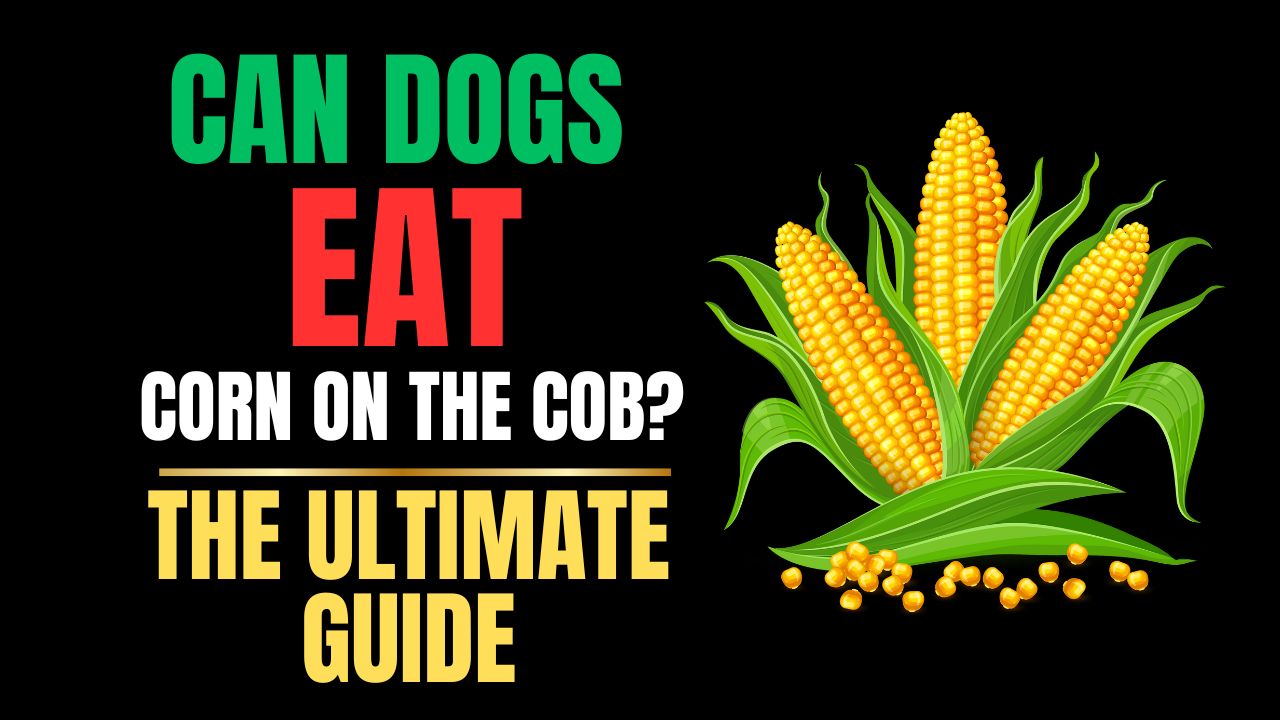
Can Dogs Eat Corn on the Cob?
Corn on the cob is a beloved summer staple in many American households, but this seasonal favorite poses serious risks to our canine companions. While the corn kernels themselves are generally safe for dogs, the cob presents a significant choking hazard and can cause life-threatening intestinal blockages.
Each year, thousands of dogs require emergency veterinary care after ingesting corn cobs. Understanding the specific dangers and knowing how to respond if your dog eats a corn cob can mean the difference between a minor scare and a surgical emergency.
This comprehensive guide covers everything you need to know about corn on the cob safety for dogs, from understanding why the cob is dangerous to safe alternatives and emergency response procedures. Whether you're enjoying a backyard barbecue or simply want to keep your dog safe, this information could save your pet's life.
Introduction
Corn on the cob may seem like a harmless treat to share with your dog, but veterinary professionals consistently rank corn cobs among the most dangerous foreign objects dogs can ingest. The combination of appealing food residue and an indigestible core creates a perfect storm for potential emergencies.
The Corn Cob Emergency Trend
Emergency veterinary clinics report a significant increase in corn cob ingestion cases during summer months, particularly around holidays like Memorial Day, Fourth of July, and Labor Day when outdoor cooking is most common.
Many cases occur when well-meaning owners don't realize the danger or when dogs raid outdoor trash cans or compost piles containing discarded cobs. The problem is so prevalent that some veterinary schools use corn cobs as teaching examples for intestinal blockage cases. Awareness and prevention are key to reducing these preventable emergencies.The Short Answer
No, dogs should never eat corn on the cob. While the corn kernels themselves are safe in moderation, the cob poses serious choking hazards and can cause intestinal blockages that often require emergency surgery. Even small pieces of corn cob can be dangerous.
| Component | Safety Level | Key Considerations |
|---|---|---|
| Corn Kernels | Generally Safe | Remove from cob, serve plain in moderation |
| Corn Cob | Dangerous | Never feed, high risk of blockage |
| Cooked Corn | Moderately Safe | Plain, no butter, salt, or seasonings |
| Canned Corn | Limited Safety | High sodium content, rinse thoroughly |
The Dangers of Corn Cobs for Dogs
Understanding the specific risks associated with corn cob ingestion helps explain why veterinarians are so concerned about this common household item.
Choking Hazard
Immediate Danger
Corn cobs are the perfect size to become lodged in a dog's throat, blocking their airway. The cylindrical shape and firm texture make them difficult to dislodge without professional intervention.
Life-threatening emergency
Intestinal Blockage
Most Common Complication
Unlike many other foreign objects, corn cobs don't break down in the digestive system. They can become stuck anywhere along the gastrointestinal tract, causing complete obstruction.
Requires surgery in 90% of cases
Intestinal Damage
Tissue Perforation Risk
The rough, fibrous texture of corn cobs can scrape and damage the delicate lining of the intestines. In severe cases, this can lead to perforation, allowing intestinal contents to leak into the abdomen.
Causes peritonitis
Corn Cob Ingestion Statistics
The Deceptive Nature of Corn Cobs
One of the most dangerous aspects of corn cob ingestion is that symptoms may not appear immediately. A dog might seem fine for hours or even a day after eating a corn cob before showing signs of distress.
During this time, the cob can be moving through the digestive system, causing damage along the way. By the time symptoms like vomiting, loss of apetitie, or abdominal pain appear, the situation may already be critical. This delayed onset often leads owners to believe their dog is fine, causing dangerous delays in seeking veterinary care.Symptoms of Corn Cob Obstruction
Watch for these signs if you suspect your dog has ingested a corn cob:
- Repeated vomiting, especially if food and water won't stay down
- Loss of appetite or refusal to eat
- Lethargy or decreased energy
- Abdominal pain or swelling
- Difficulty defecating or small amounts of diarrhea
- Dehydration
- Whining or signs of discomfort
- Straining to defecate with little or no production
Safe Corn Preparations for Dogs
While corn on the cob is dangerous, plain corn kernels can be a safe occasional treat when prepared properly and served in moderation.
Safe Preparations
| Preparation | Safety Level | Preparation Notes |
|---|---|---|
| Plain Cooked Kernels | Safe in Moderation | Remove from cob, no seasonings |
| Frozen Corn Kernels | Safe in Moderation | Thawed or frozen, plain |
| Canned Corn (Rinsed) | Limited Safety | Rinse thoroughly to remove sodium |
| Air-Popped Popcorn | Safe in Small Amounts | Plain, no salt, butter, or unpopped kernels |
Dangerous Preparations
| Preparation | Risk Level | Potential Dangers |
|---|---|---|
| Corn on the Cob | Extremely High | Choking, intestinal blockage |
| Buttered/Seasoned Corn | High Risk | High fat, salt, potential toxic seasonings |
| Creamed Corn | Moderate Risk | High fat, often contains Onions or Garlic |
| Corn Bread | Moderate Risk | High sugar, fat, potentially toxic ingredients |
Veterinary Perspective on Corn
Many veterinarians consider plain corn kernels to be a safe occasional treat for most dogs when served in moderation. Corn provides carbohydrates for energy and contains some beneficial nutrients like linoleic acid and antioxidants.
However, it should never make up a significant portion of a dog's diet. Some dogs may have difficulty digesting corn, leading to gas or digestive upset. Additionally, corn is a common allergen for some dogs. If you're introducing corn to your dog's diet for the first time, start with a small amount and monitor for any adverse reactions.Safe Preparation Checklist
- Always remove kernels from the cob completely
- Serve plain with no butter, oil, salt, or seasonings
- Cook thoroughly to improve digestibility
- Start with small portions to assess tolerance
- Consider your dog's size when determining portion size
- Monitor for any signs of digestive upset
- Never use corn as a meal replacement
- Ensure corn comprises less than 10% of daily caloric intake
Emergency Response: If Your Dog Eats a Corn Cob
Quick, appropriate action is crucial if your dog ingests a corn cob. Knowing what to do can significantly improve outcomes.
Immediate Steps to Take
| Action | Why It's Important | What Not to Do |
|---|---|---|
| Contact Your Vet Immediately | Early intervention improves outcomes | Don't wait to see if symptoms develop |
| Note the Time of Ingestion | Helps vet assess progression | Don't assume you'll remember details later |
| Estimate Amount Ingested | Helps determine urgency | Don't downplay the seriousness |
| Monitor for Symptoms | Provides valuable information to vet | Don't induce vomiting unless instructed |
What to Expect at the Veterinary Hospital
If your dog has ingested a corn cob, your veterinarian will likely:
- Perform a Physical Examination: Check for abdominal pain, dehydration, or other signs of distress
- Take X-rays: Corn cobs are often visible on radiographs and can help determine location
- Conduct Bloodwork: Assess overall health and check for complications
- Consider Endoscopy: For recent ingestions, may attempt removal via endoscope
- Recommend Surgery: If blockage is confirmed or strongly suspected
Cost Considerations for Corn Cob Emergencies
| Treatment | Typical Cost Range | Factors Affecting Cost |
|---|---|---|
| Emergency Exam & X-rays | $300 - $800 | Location, time of day, clinic type |
| Endoscopic Removal | $1,500 - $3,000 | Specialist availability, complexity |
| Surgical Removal | $2,000 - $5,000 | Complexity, hospitalization needs |
| Post-operative Care | $500 - $1,500 | Complications, medication needs |
Never Induce Vomiting Without Veterinary Guidance
While inducing vomiting might seem like a logical first step for many foreign object ingestions, it can be dangerous with corn cobs.
The cob may be too large to safely come back up through the esophagus, potentially causing additional damage or becoming lodged in the throat.Additionally, if the cob has already moved into the intestines, vomiting won't help and could cause unnecessary stress. Always contact your veterinarian or an emergency clinic for guidance before attempting any home treatment for corn cob ingestion.Nutritional Value of Corn for Dogs
Understanding the nutritional profile of corn helps put its role in canine nutrition in proper perspective.
Nutritional Breakdown of Corn Kernels
Beneficial Nutrients in Corn
| Nutrient | Benefit for Dogs | Amount in 1/2 Cup Cooked Corn |
|---|---|---|
| Linoleic Acid | Essential fatty acid for skin/coat health | 0.5g |
| Lutein & Zeaxanthin | Antioxidants for eye health | 1.2mg |
| Vitamin B6 | Supports brain function & energy metabolism | 0.1mg (6% DV) |
| Magnesium | Supports bone health & enzyme function | 26mg (6% DV) |
| Phosphorus | Important for bone health | 69mg (7% DV) |
Corn in Commercial Dog Food
Many high-quality commercial dog foods include corn as an ingredient, which often surprises owners who've heard negative things about corn in dog food.
When properly processed, corn can be a valuable source of carbohydrates, essential fatty acids, and antioxidants. The corn used in commercial diets is typically ground and cooked to improve digestibility and nutrient availability.However, the corn in dog food is always separated from the cob during processing. The inclusion of corn in a dog food formula doesn't automatically make it low quality—what matters most is the overall nutritional balance and quality of all ingredients.Portion Guidelines for Corn Kernels
| Dog Size | Recommended Portion | Frequency |
|---|---|---|
| Small (5-20 lbs) | 1-2 tablespoons | Occasional treat |
| Medium (21-50 lbs) | 2-4 tablespoons | Occasional treat |
| Large (51-90 lbs) | 1/4 - 1/2 cup | Occasional treat |
| Giant (90+ lbs) | 1/2 - 3/4 cup | Occasional treat |
Safe & Healthy Alternatives to Corn on the Cob
If you want to include your dog in summer cookouts or simply provide healthy vegetable treats, these alternatives are much safer than corn on the cob.
Vegetable Alternatives
| Vegetable | Preparation | Benefits |
|---|---|---|
| Carrots | Raw or cooked, cut appropriately | Dental health, vitamin A, low calorie |
| Green Beans | Fresh, frozen, or cooked plain | Fiber, vitamins, great for weight management |
| Sweet Potatoes | Cooked, plain, mashed or cubed | Beta-carotene, fiber, digestive health |
| zucchini | Raw or cooked, cut appropriately | High water content, low calorie |
| Cucumbers | Sliced or cubed | Hydration, low calorie, crunchy texture |
Summer Cookout Safe Treats
These alternatives allow your dog to participate in outdoor meals safely:
- Plain Cooked Chicken: Skinless, boneless, no seasonings
- Watermelon: Seedless, rind removed, in moderation
- Frozen Yogurt Drops: Plain yogurt frozen in small portions
- Dehydrated Sweet Potato Chews: Commercially prepared or homemade
- Ice Cubes: Simple, hydrating, and entertaining
Creating Safe Food Zones
During outdoor gatherings, establish clear boundaries for your dog's safety. Designate a specific area where your dog can enjoy appropriate treats away from where people are eating.
Use baby gates or exercise pens if necessary. Educate guests about what foods are safe to share with your dog and provide appropriate treats they can offer.Consider putting your dog in a secure room or crate during meal times if they're prone to counter surfing or trash diving. Prevention is always easier and safer than emergency treatment.Dog-Friendly Summer Recipes
These simple recipes provide safe, healthy alternatives to corn on the cob:
Frozen Vegetable Medley Cubes
- Ingredients: 1/2 cup cooked corn kernels, 1/2 cup cooked green beans, 1/2 cup cooked carrots, 2 cups low-sodium chicken broth
- Instructions: Mix all ingredients and pour into ice cube trays. Freeze until solid.
- Serving: 1-2 cubes as a refreshing treat
Sweet Potato & Corn Training Bites
- Ingredients: 1/2 cup mashed sweet potato, 1/4 cup corn kernels, 1 cup oat flour, 1 egg
- Instructions: Mix ingredients, form small balls, bake at 350°F for 15-20 minutes
- Serving: Great for training or as small treats
Prevention Tips for Corn Cob Safety
Preventing corn cob ingestion is significantly easier and safer than dealing with the consequences. These strategies can help keep your dog safe.
Secure Disposal
Immediate Proper Disposal
Dispose of corn cobs immediately in a secure trash can that your dog cannot access. Consider taking them directly to an outdoor bin with a locking lid.
First line of defense
Guest Education
Inform Family & Guests
Make sure everyone in your household and any guests understand the danger of corn cobs. Provide clear instructions not to feed corn on the cob to your dog.
Communication is key
Supervision
Monitor Outdoor Eating
When eating outdoors, keep your dog leashed or in a contained area. Watch for dropped food items and clean up immediately after meals.
Active prevention
Outdoor Gathering Safety Checklist
Use this checklist to keep your dog safe during summer cookouts and gatherings:
- Designate a safe, comfortable area for your dog away from the main eating area
- Provide appropriate dog toys and chews to keep them occupied
- Use a secure trash can with a locking lid for food waste
- Assign one person to be responsible for monitoring the dog
- Have appropriate dog treats available for guests who want to feed your dog
- Clean up food spills and dropped items immediately
- Consider using a baby gate or exercise pen to create boundaries
- Know the location and phone number of your nearest emergency veterinary clinic
The Compost Danger
Compost piles and bins present a significant risk for dogs who may be attracted to food scraps. Corn cobs take a long time to break down in compost and remain dangerous for months.
If you compost, ensure your compost bin is completely dog-proof, preferably with a locking lid or placed in a fenced area your dog cannot access.Never add corn cobs to open compost piles if you have dogs. Consider alternative disposal methods for corn cobs, such as municipal green waste programs, if your compost isn't completely secure.Frequently Asked Questions
Yes, you should be concerned and contact your veterinarian immediately. Even small pieces of corn cob can cause intestinal blockages because the material doesn't break down in the digestive system. The size of the piece matters less than you might think - even a piece the size of a quarter can become lodged in a dog's intestines. Don't wait for symptoms to appear, as early intervention leads to better outcomes. Your veterinarian can advise you on whether to monitor at home or bring your dog in for evaluation based on the size of your dog and the amount ingested.
No, dogs cannot digest corn cobs. The cob is made of cellulose and lignin, which are indigestible fibers that pass through the digestive system unchanged. Unlike some other fibrous materials that might break down or pass through safely, corn cobs maintain their structure and can easily become lodged in the digestive tract. This is why they're so dangerous - they don't soften or break down in stomach acid or during intestinal transit. The only way a corn cob can safely leave a dog's body is if it's small enough to pass through the entire digestive system without getting stuck, which is rare.
Symptoms of corn cob ingestion can appear anywhere from a few hours to several days after consumption. The timing depends on where the cob becomes lodged in the digestive system. If it gets stuck in the stomach or upper intestines, symptoms like vomiting may appear within hours. If it moves further down the digestive tract before causing a blockage, it might take a day or two for symptoms like loss of appetite, lethargy, or abdominal pain to develop. This variable timing is part of what makes corn cob ingestion so dangerous - owners might think their dog is fine initially, leading to delayed treatment.
While any dog can be affected by corn cob ingestion, some factors increase risk. Larger dogs might be more likely to ingest whole cobs, while smaller dogs may have narrower digestive tracts that are more easily blocked. Dogs with a history of eating non-food items (a condition called pica) are at higher risk. Breeds known for their indiscriminate eating habits, such as Labrador Retrievers, may be more likely to consume corn cobs. However, no dog is immune to the danger - even dogs who normally don't eat inappropriate items might be tempted by the food residue on a corn cob.
Both cooked and raw corn cobs are extremely dangerous to dogs. Cooking may make the cob slightly softer, but it remains indigestible and can still cause blockages. Some veterinarians suggest that cooked cobs might be more appealing to dogs because they absorb flavors from boiling water or seasonings, potentially making dogs more likely to eat them. Additionally, cooked cobs might break into smaller pieces more easily, creating multiple foreign bodies instead of one. Regardless of whether the cob is raw or cooked, the risk of intestinal blockage remains high and requires immediate veterinary attention.
If your dog steals a corn cob from the trash, take the following steps immediately: First, try to safely remove any remaining cob from your dog's mouth if they haven't swallowed it yet. Do not reach into your dog's mouth if they're actively chewing or if you risk being bitten. Contact your veterinarian or emergency clinic right away - don't wait for symptoms to appear. Note the time of ingestion and try to estimate how much was eaten. Follow your veterinarian's instructions, which may include bringing your dog in for examination or monitoring at home. Secure your trash to prevent future incidents.
Puppies can have small amounts of plain, cooked corn kernels once they're eating solid food regularly, typically around 8 weeks of age. However, there are important considerations. Puppies have more sensitive digestive systems, so introduce corn gradually in tiny amounts. Ensure the kernels are thoroughly cooked to improve digestibility. Never feed corn on the cob to puppies - their smaller size makes them even more vulnerable to blockages from cob pieces. Remember that puppies have specific nutritional needs for growth, so treats like corn should make up no more than 10% of their daily caloric intake. Always consult your veterinarian before introducing new foods to puppies.
Free Printable "Corn Safety for Dogs" Guide
To help you quickly reference corn safety information and emergency procedures, we've created this comprehensive guide.
How to Use This Guide
This printable guide provides a quick reference for corn safety information, emergency contact numbers, and prevention tips. Print it and keep it on your refrigerator or in your pet emergency kit for easy reference, especially during summer months when corn on the cob is most commonly served.
Corn Safety Quick Reference Chart
| Corn Product | Safety Level | Key Safety Notes |
|---|---|---|
| Corn on the Cob | Dangerous | Never feed, high blockage risk |
| Plain Corn Kernels | Safe in Moderation | Remove from cob, serve plain |
| Canned Corn | Limited Safety | Rinse thoroughly, high sodium |
| Frozen Corn | Safe in Moderation | Thaw or serve frozen, plain |
| Corn Bread | Not Recommended | High fat, sugar, potential toxic ingredients |
| Creamed Corn | Not Recommended | High fat, often contains onions/garlic |
Emergency Contact Information Template
Print and fill out this emergency information to keep handy:
- Primary Veterinarian: ___________________ Phone: ___________________
- Emergency Veterinary Clinic: ___________________ Phone: ___________________
- Animal Poison Control: (888) 426-4435 (Note: fee may apply)
- Pet Insurance Information: Provider: ___________________ Policy #: ___________________
Conclusion: Final Verdict on Corn on the Cob for Dogs
Corn on the cob represents one of the most dangerous food-related hazards for dogs, with the potential to cause life-threatening intestinal blockages that often require emergency surgery. While the corn kernels themselves can be a safe occasional treat when prepared properly, the cob should never be given to dogs under any circumstances.
Remember that prevention is significantly easier and safer than emergency treatment. Secure disposal of corn cobs, educating family members and guests about the dangers, and providing appropriate alternatives during outdoor meals can help keep your dog safe. If you suspect your dog has ingested a corn cob, contact your veterinarian immediately - don't wait for symptoms to appear.
With proper precautions and awareness, you can safely include your dog in summer festivities while avoiding this common seasonal hazard. The small effort required to keep corn cobs away from your dog is well worth the peace of mind knowing you've prevented a potential emergency.
We'd love to hear about your experiences with keeping your dog safe around food hazards. Share your tips or questions in the comments below or tag us on social media with photos of your dog enjoying safe summer treats!
In the Spotlight






About the Author

Megan Sprinkle
Author
Dr. Megan Sprinkle, DVM, DACVIM (Nutrition) — Veterinarian Nutritionist, Consultant, and Podcaster passionate about helping dogs thrive through science-based nutrition. Auburn University alumna.