 Samantha Henson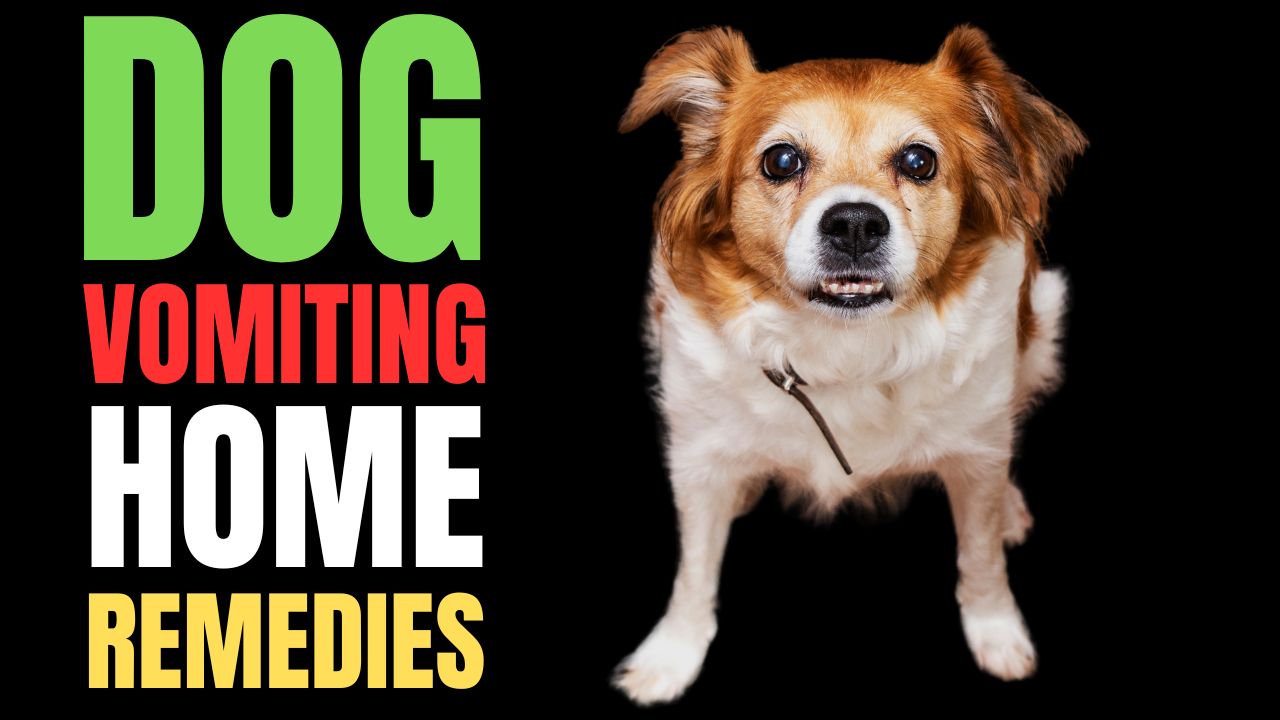
Dog Vomiting Home Remedies
Vomiting is one of the most common health issues that dog owners face, with studies showing that gastrointestinal problems account for nearly 10% of all veterinary visits. While occasional vomiting may not be cause for alarm, understanding when home care is appropriate and when to seek veterinary attention is crucial for your dog's health and wellbeing. Most cases of acute vomiting in otherwise healthy dogs can be managed effectively at home with simple, natural remedies that soothe the digestive system and promote recovery.
It's important to distinguish between vomiting (forceful expulsion of stomach contents) and regurgitation (passive expulsion of undigested food), as they have different causes and treatments. Vomiting is an active process often preceded by signs of nausea like drooling, lip-licking, and restlessness. Recognizing these early signs can help you intervene before the situation worsens. This comprehensive guide will provide you with safe, effective home remedies for managing mild to moderate vomiting episodes in dogs, along with guidance on when home care is insufficient and veterinary attention is necessary.
In this detailed guide, we'll explore the common causes of vomiting in dogs, how to assess the severity of the situation, step-by-step home treatment protocols, specific remedies for different types of vomiting, preventive strategies, and when to transition from home care to professional veterinary treatment. With the right knowledge and approach, you can help your dog recover comfortably from vomiting episodes while knowing when to seek additional help.
Common Causes of Vomiting in Dogs
Understanding what triggers vomiting helps you address the root cause and prevent recurrence.
| Dietary Causes | Diet change, food intolerance, eating too fast, scavenging |
|---|---|
| Medical Conditions | Gastroenteritis, pancreatitis, kidney disease, liver issues |
| Infections | Parvovirus, parasites, bacterial infections |
| Toxins | Plants, chemicals, human medications, spoiled food |
| Other Causes | Motion sickness, stress, heat stroke, obstruction |
Did You Know?
Dogs have a much faster digestive transit time than humans - food typically moves through their system in 6-8 hours compared to 20-30 hours in people. This explains why dietary indiscretions often result in vomiting relatively quickly after ingestion. Additionally, dogs have a vomiting center in their brain that is more easily triggered than in humans, which is an evolutionary adaptation that helps protect them from potential toxins they might encounter as scavengers. The color and content of vomit can provide important clues about the underlying cause. Yellow vomit often indicates bile from an empty stomach, while white foamy vomit may suggest gastritis. Undigested food points to issues with eating too quickly or possible obstruction, and blood in vomit always warrants immediate veterinary attention.
Common Vomiting Triggers
- Dietary Indiscretion: Eating garbage, spoiled food, or non-food items
- Sudden Diet Changes: Abrupt switches between dog food brands or types
- Food Allergies/Intolerances: Reactions to specific ingredients
- Infections: Viral, bacterial, or parasitic gastrointestinal infections
- Medications: Side effects from certain drugs or supplements
- Stress/Anxiety: Emotional upset can trigger gastrointestinal issues
- Underlying Diseases: Kidney, liver, or pancreatic conditions
Assessing Vomiting Severity
Proper assessment helps determine whether home care is appropriate or veterinary attention is needed.
Mild Vomiting
Home Care Appropriate
One or two episodes in 24 hours, dog remains bright and alert, normal energy levels, no other concerning symptoms, willing to drink water.
Monitor closely and begin home treatment.
Moderate Vomiting
Veterinary Consultation Recommended
Multiple vomiting episodes, lethargy, decreased appetite, some water consumption, no blood in vomit, mild dehydration signs.
Contact your veterinarian for guidance.
Severe Vomiting
Immediate Veterinary Care Needed
Projectile vomiting, blood in vomit, inability to keep water down, severe lethargy, signs of pain, distended abdomen, known toxin ingestion.
Seek emergency veterinary care immediately.
Warning Signs Requiring Veterinary Attention
The Vomiting vs. Regurgitation Distinction
It's important to distinguish between vomiting and regurgitation as they have different causes and treatments. Vomiting is an active process involving abdominal contractions, nausea signs (drooling, lip-licking), and the expulsion of partially digested food, often with bile. Regurgitation is a passive process where undigested food comes up shortly after eating, usually without warning signs or abdominal effort. Regurgitation often indicates issues with the esophagus, such as megaesophagus, obstructions, or motility disorders, and typically requires different management approaches than vomiting. If your dog is regurgitating rather than vomiting, this information is important to share with your veterinarian as it points to different potential underlying causes that may need specific diagnostic tests and treatments.
Initial Care Steps
Proper initial response can help settle your dog's stomach and prevent complications.
Withhold Food
Give the stomach time to rest by withholding food for 12-24 hours for adult dogs (6-12 hours for puppies). This break allows the gastrointestinal tract to recover and reduces vomiting triggers.
Duration: 12-24 hours for adults, 6-12 hours for puppies
Provide Water
Offer small amounts of fresh water frequently to prevent dehydration. Ice cubes can be a good alternative if your dog vomits after drinking. Monitor for signs of dehydration like dry gums.
Frequency: 1-2 tablespoons every 30 minutes
Encourage Rest
Limit activity and provide a quiet, comfortable resting area. Stress and activity can exacerbate vomiting. Keep other pets and children from disturbing your dog during recovery.
Environment: Quiet, low-stress area
Monitor Temperature
Check for fever (normal is 101-102.5°F) and monitor for other symptoms. Take note of vomiting frequency, appearance, and any changes in behavior or condition.
Normal Range: 101-102.5°F
Identify Triggers
Try to identify potential causes like dietary changes, new treats, access to garbage, or exposure to toxins. This information can help prevent recurrence and guide treatment.
Common Triggers: Diet changes, scavenging, stress
Document Symptoms
Keep notes on vomiting frequency, appearance, timing, and any other symptoms. This information is valuable if veterinary consultation becomes necessary.
What to Note: Frequency, appearance, timing, other symptoms
Step-by-Step Initial Response
- Remove food but continue offering small amounts of water
- Create a comfortable resting area away from household activity
- Monitor closely for changes in condition or additional symptoms
- Offer ice chips if your dog cannot keep water down
- Contact your veterinarian if symptoms worsen or don't improve
- Gradually reintroduce food after the fasting period if vomiting has stopped
Important Fasting Considerations
While short-term fasting can be beneficial for vomiting dogs, there are important exceptions. Puppies under six months, small breed dogs, and dogs with certain medical conditions (like diabetes) should not fast for extended periods as they are more susceptible to hypoglycemia (low blood sugar). For these dogs, reduce the fasting time to 4-6 hours maximum and consult your veterinarian for guidance. Always ensure access to water during fasting periods to prevent dehydration. If your dog cannot keep water down or shows signs of dehydration (dry gums, loss of skin elasticity, sunken eyes), seek veterinary care immediately as they may need fluid therapy. Never withhold water unless specifically directed by your veterinarian, as dehydration can quickly become serious.
Effective Home Remedies
These natural remedies can help soothe your dog's stomach and support recovery from vomiting episodes.
Pumpkin Puree
Pure canned pumpkin (not pie filling) is rich in fiber that can help regulate digestion. The soluble fiber absorbs excess water in the digestive tract, while insoluble fiber adds bulk to stool.
Ginger
Fresh ginger has natural anti-nausea properties. It helps settle the stomach and reduce vomiting frequency. Can be given as fresh grated ginger, ginger tea, or commercial ginger supplements.
Bone Broth
Nutrient-rich bone broth provides hydration and electrolytes while being easy on the stomach. The gelatin can help soothe and protect the digestive lining during recovery from vomiting.
Remedy Preparation and Dosage
- Pumpkin Puree: 1-4 tablespoons based on dog size, mixed with food or alone
- Ginger: 10-25 mg per pound of body weight, 2-3 times daily
- Bone Broth: Offer as water replacement or freeze into ice cubes
- Probiotics: Dog-specific probiotic supplements or plain yogurt
- Slippery Elm: ½ teaspoon for small dogs, 1 teaspoon for large dogs, mixed with food
- Fennel Seed Tea: Cooled tea added to water or food
Understanding How These Remedies Work
Each of these natural remedies works through different mechanisms to help resolve vomiting. Pumpkin contains soluble fiber that absorbs excess stomach acid and digestive juices, while its insoluble fiber helps normalize intestinal motility. Ginger contains gingerols and shogaols that have demonstrated antiemetic (anti-vomiting) effects in scientific studies, working similarly to some prescription anti-nausea medications but with fewer side effects. Bone broth provides hydration and electrolytes that may be depleted during vomiting episodes, and the gelatin content can help soothe irritated digestive lining. Probiotics help restore healthy gut flora that may be disrupted during gastrointestinal upset. Slippery elm contains mucilage that coats and soothes the digestive tract, providing relief from irritation that can trigger vomiting. Understanding these mechanisms helps you choose the most appropriate remedy for your dog's specific situation.
Remedies to Avoid
- Human antiemetic medications without veterinary guidance
- Essential oils which can be toxic to dogs
- Onion or garlic in large quantities
- Dairy products if your dog is lactose intolerant
- High-fat foods that can trigger pancreatitis
- Artificial sweeteners especially xylitol which is highly toxic
Dietary Management During Recovery
Proper dietary management is crucial for recovery and preventing recurrence of vomiting.
First 24 Hours
Fasting & Rehydration
After initial vomiting, withhold food for 12-24 hours while providing small, frequent amounts of water, ice chips, or bone broth. This gives the digestive system time to rest and recover.
Monitor closely for dehydration signs.
24-48 Hours
Bland Diet Introduction
Begin introducing small amounts of bland food like boiled chicken and rice, or a prescription gastrointestinal diet. Offer frequent, small meals rather than one or two large meals.
Start with tablespoon-sized portions.
Beyond 48 Hours
Gradual Transition
Slowly transition back to regular diet over 3-5 days if vomiting has resolved. Mix increasing amounts of regular food with the bland diet to allow the digestive system to readjust.
Watch for any recurrence of symptoms.
Bland Diet Options
- Boiled Chicken and Rice: Skinless, boneless chicken with plain white rice
- Lean Ground Turkey and Pumpkin: Low-fat protein with digestive fiber
- Boiled Fish and Sweet Potato: Easily digestible protein and carbohydrates
- Scrambled Eggs: Plain eggs without butter, oil, or seasonings
- Commercial GI Diets: Veterinary-prescribed gastrointestinal formulas
- Baby Food: Meat-based varieties without onions or garlic
Preparing an Effective Bland Diet
When preparing a bland diet for your vomiting dog, proper preparation is key to effectiveness. Use a ratio of 1 part lean protein to 2 parts easily digestible carbohydrates. Cook all components thoroughly without added fats, oils, or seasonings. White rice is preferable to brown rice initially as it's more easily digested. Chicken should be skinless and boneless, boiled until fully cooked, then shredded or chopped finely. For dogs with chicken allergies, lean ground turkey, boiled fish (like cod or haddock), or lean beef can be alternatives. Sweet potato is another good carbohydrate option that provides additional nutrients and fiber. Portion control is crucial - start with very small amounts (1-2 tablespoons for small dogs, ¼ cup for large dogs) and gradually increase if tolerated. Feed multiple small meals throughout the day rather than one or two large meals to avoid overwhelming the recovering digestive system.
Transitioning Back to Regular Food
- Day 1-2: 75% bland diet, 25% regular food
- Day 3-4: 50% bland diet, 50% regular food
- Day 5-6: 25% bland diet, 75% regular food
- Day 7: 100% regular food if no vomiting has occurred
- Monitor closely for any return of symptoms during transition
- Slow the transition if any vomiting recurs
Preventing Future Vomiting Episodes
Proactive measures can significantly reduce the frequency and severity of vomiting in dogs.
Consistent Feeding
Maintain a consistent feeding schedule with the same high-quality dog food. Sudden diet changes are a common trigger for vomiting in dogs. When changing foods, transition gradually over 7-10 days.
Slow Feeding
Use slow-feed bowls or puzzle feeders for dogs who eat too quickly. Rapid eating can cause vomiting, especially in deep-chested breeds. Dividing meals into smaller, more frequent portions can also help.
Limit Scavenging
Prevent access to garbage, compost, and other potential sources of spoiled food or toxins. Use pet-proof trash cans and supervise outdoor time to reduce opportunities for dietary indiscretion.
Identify Allergens
Work with your veterinarian to identify and eliminate food allergens if your dog has recurrent vomiting. Common allergens include beef, dairy, wheat, chicken, and soy.
Regular Preventatives
Maintain regular parasite prevention and vaccination schedules. Some parasites and infections can cause recurrent gastrointestinal issues including vomiting.
Stress Management
Reduce environmental stressors that may contribute to vomiting. Provide safe spaces, consistent routines, and consider calming supplements or pheromone products for anxious dogs.
Preventive Maintenance Schedule
- Daily: Consistent feeding times, fresh water, monitoring eating habits
- Weekly: Check food storage areas, inspect for potential hazards
- Monthly: Parasite prevention, weight monitoring, assess stress levels
- Annually: Veterinary wellness exams, blood work if indicated
- As Needed: Dietary adjustments based on age, activity level, or health changes
The Role of Regular Veterinary Care in Prevention
Regular veterinary check-ups play a crucial role in preventing recurrent vomiting episodes. Your veterinarian can identify underlying health issues that may contribute to gastrointestinal problems, such as dental disease, organ dysfunction, or metabolic disorders. Annual blood work can detect early signs of conditions like kidney disease, liver issues, or pancreatitis that might manifest initially as intermittent vomiting. Dental health is particularly important as dental disease can lead to chronic swallowing of bacteria that irritates the stomach lining. Your veterinarian can also provide guidance on appropriate diet choices for your dog's specific needs, including prescription diets for dogs with chronic gastrointestinal issues. Establishing a relationship with your veterinarian ensures you have professional guidance readily available when vomiting episodes occur, helping you determine when home care is appropriate and when professional intervention is needed.
When to Seek Veterinary Care
Knowing when home care is insufficient can be life-saving for your dog.
Schedule Appointment
Within 24 Hours
If vomiting persists beyond 24 hours despite home care, if your dog is lethargic but still drinking, or if vomiting recurs after initially improving. Also if you suspect dietary indiscretion but symptoms are mild.
Better to be proactive with veterinary consultation.
Contact Vet Immediately
Same Day
If your dog cannot keep water down, shows signs of dehydration, appears in pain, has a distended abdomen, or if vomiting contains small amounts of blood. Also if your dog has underlying health conditions.
These may indicate more serious underlying issues.
Emergency Care
Immediate Attention
If vomiting is projectile, contains significant blood, if your dog collapses, shows signs of shock (pale gums, rapid heartbeat), has known toxin ingestion, or if non-productive retching suggests possible bloat.
These are potentially life-threatening situations.
What Information to Provide Your Veterinarian
- Vomiting details: Frequency, timing, appearance, amount
- Recent history: Diet changes, access to toxins, recent medications
- Other symptoms: Diarrhea, lethargy, appetite changes, behavior changes
- Home care attempts: What you've tried and the response
- Medical history: Previous similar episodes, chronic conditions
- Vaccination status: Current on core vaccines and preventatives
Red Flags Requiring Immediate Emergency Care
Certain symptoms accompanying vomiting indicate potentially life-threatening conditions that require immediate emergency veterinary care. These include non-productive retching (especially in large, deep-chested breeds) which may signal gastric dilatation-volvulus (bloat), a rapidly fatal condition. Projectile vomiting can indicate intestinal obstruction. Vomiting accompanied by collapse, extreme weakness, or pale gums suggests shock. Known ingestion of toxins like antifreeze, chocolate, or xylitol requires immediate treatment. Blood in vomit (either fresh red blood or digested blood that looks like coffee grounds) indicates potentially serious gastrointestinal bleeding. Abdominal distention combined with vomiting suggests possible obstruction or other serious abdominal issues. In these situations, do not attempt home treatment - seek emergency veterinary care immediately as delays can be fatal.
Frequently Asked Questions
For otherwise healthy adult dogs with mild vomiting (1-2 episodes) who remain bright and alert, you can try home care for 12-24 hours. However, you should contact your veterinarian immediately if: vomiting is frequent or projectile, contains blood, your dog cannot keep water down, shows signs of pain or distress, has a pre-existing medical condition, is very young, very old, or is a small breed dog. Puppies under six months, senior dogs, and small breeds are more vulnerable to dehydration and hypoglycemia, so they should be seen by a veterinarian sooner. The general rule is that if you're concerned enough to question whether your dog needs veterinary care, it's better to err on the side of caution and at least call your veterinarian for guidance. Many clinics offer phone consultations that can help you determine whether an appointment is necessary.
You should never give your dog human medications without explicit guidance from your veterinarian. Pepto-Bismol contains salicylates (similar to aspirin) which can be problematic for dogs, especially if given repeatedly or in large doses. Other human anti-nausea medications may have different dosing requirements or potential side effects in dogs. Some human medications are toxic to dogs, and even those that are sometimes used in veterinary medicine require precise weight-based dosing that should be determined by a professional. Additionally, masking vomiting with medications without addressing the underlying cause can be dangerous, as vomiting is a symptom that serves the protective function of expelling harmful substances from the body. If you feel your dog needs medication to control vomiting, consult your veterinarian who can prescribe appropriate, safe options specifically formulated for dogs.
Vomiting undigested food hours after eating can indicate a few different issues. If the food appears largely unchanged and your dog seems otherwise healthy, it may simply be that they ate too quickly. Some dogs, especially those from multi-dog households or with competitive eating habits, swallow food without proper chewing, which can lead to vomiting shortly after meals. This can often be addressed with slow-feed bowls or puzzle feeders. However, if this happens frequently or the vomiting occurs many hours after eating, it could indicate more serious issues like gastrointestinal motility disorders, obstructions, or conditions like megaesophagus. If your dog regularly vomits undigested food, especially if accompanied by other symptoms like weight loss, regurgitation, or difficulty swallowing, a veterinary evaluation is recommended to identify any underlying medical conditions that need specific treatment.
Dogs eat grass for various reasons, and it doesn't always lead to vomiting. Some theories suggest dogs may eat grass to induce vomiting when they feel nauseous, while others indicate it may be a natural behavior inherited from wild canids, possibly to help expel parasites or add fiber to the diet. Some dogs simply enjoy the texture or taste of grass. If your dog occasionally eats grass and vomits but otherwise seems healthy, it's usually not a concern. However, if grass-eating and vomiting become frequent, it could indicate an underlying issue like gastrointestinal discomfort, dietary deficiency, or boredom. Ensure your dog is on a nutritionally complete diet and has adequate mental and physical stimulation. If the behavior concerns you or is accompanied by other symptoms, consult your veterinarian to rule out medical issues. Preventing access to treated lawns or potentially toxic plants is also important.
Signs of dehydration in dogs include dry, sticky gums; loss of skin elasticity (when you gently pinch the skin on the back of the neck, it should snap back immediately rather than slowly); sunken eyes; lethargy; and loss of appetite. You can also check capillary refill time by pressing on your dog's gums until they turn white, then timing how long it takes for the pink color to return - it should be less than two seconds. Another sign is that your dog may produce less urine or have dark yellow urine. Mild dehydration can often be managed at home with small, frequent offerings of water or electrolyte solutions, but moderate to severe dehydration requires veterinary care, typically with subcutaneous or intravenous fluids. If you suspect your dog is dehydrated and they're unable to keep fluids down, seek veterinary care promptly as dehydration can worsen quickly and become serious.
Vomiting yellow bile in the morning before eating is often referred to as bilious vomiting syndrome. This typically occurs when a dog's stomach is empty for an extended period, allowing bile to accumulate and irritate the stomach lining, leading to vomiting. This is most common in dogs who eat just once daily or who have long overnight fasts. The solution is often to provide a small meal or snack right before bedtime or to split the daily food into multiple smaller meals throughout the day. In some cases, a veterinarian might recommend medications to reduce stomach acid. However, it's important to have your dog evaluated by a veterinarian to rule out other potential causes of morning vomiting, such as gastrointestinal disorders, pancreatitis, or other medical conditions. If simple dietary adjustments don't resolve the issue, further diagnostic testing may be necessary.
Yes, stress and anxiety can definitely cause vomiting in dogs. The brain-gut connection is well-established in both humans and animals, and emotional distress can manifest as physical gastrointestinal symptoms. Stress triggers the release of hormones like cortisol that can affect digestive function, potentially leading to vomiting, diarrhea, or both. Common stressors include changes in routine, loud noises (thunderstorms, fireworks), separation anxiety, introduction of new pets or people, or visits to the veterinarian. If you suspect stress is causing your dog's vomiting, work on identifying and minimizing stressors when possible. Provide a safe, quiet space for your dog during stressful events. Behavior modification, training, and in some cases, anti-anxiety medications or supplements recommended by your veterinarian can help. If vomiting occurs primarily in specific stressful situations, addressing the underlying anxiety is key to resolving the gastrointestinal symptoms.
Vomiting can be a normal, protective response when a dog eats something inappropriate, as it helps expel potentially harmful substances from the body. A single episode of vomiting after your dog gets into the garbage or eats something unusual may not be concerning if your dog otherwise seems fine. However, you should monitor closely and contact your veterinarian if: vomiting persists beyond one or two episodes, your dog shows signs of distress or pain, you suspect ingestion of a toxic substance, the vomit contains blood, or your dog develops other symptoms like lethargy or diarrhea. Some substances are more concerning than others - ingestion of foreign objects (especially non-food items), known toxins, or large amounts of rich/fatty foods warrant veterinary attention even if vomiting hasn't started. When in doubt about what your dog ingested or how they're responding, it's always safest to consult your veterinarian or an animal poison control center.
Bottom Line: Balanced Approach to Canine Vomiting
Managing vomiting in dogs requires a balanced approach that combines appropriate home care with knowing when to seek professional veterinary assistance. For mild, occasional vomiting in otherwise healthy dogs, simple home remedies like fasting, bland diets, pumpkin, ginger, and bone broth can be highly effective in supporting recovery. Understanding the difference between vomiting and regurgitation, recognizing warning signs that indicate serious conditions, and having a clear plan for when to transition from home care to veterinary treatment are all essential components of responsible dog ownership. Prevention plays a crucial role in reducing vomiting episodes, with consistent feeding practices, slow feeding methods, and minimizing access to potential toxins all contributing to better gastrointestinal health. Remember that while home care has its place for mild cases, vomiting can sometimes indicate serious underlying conditions that require professional diagnosis and treatment. By combining sensible home management with timely veterinary care when needed, you can ensure your dog receives the appropriate care for their specific situation, promoting both immediate recovery and long-term digestive health.
References and Further Readings
In the Spotlight











About the Author

Samantha Henson
Author
Samantha (Shipley) Henson — Award-winning Clinical Pet Nutritionist and Founder of Next Generation Pet Wellness, dedicated to improving pet health through science-based nutrition. With 15+ years of experience, she’s helped over 750,000 pets worldwide and aims to reach 1 million.


