 Abigail Missimo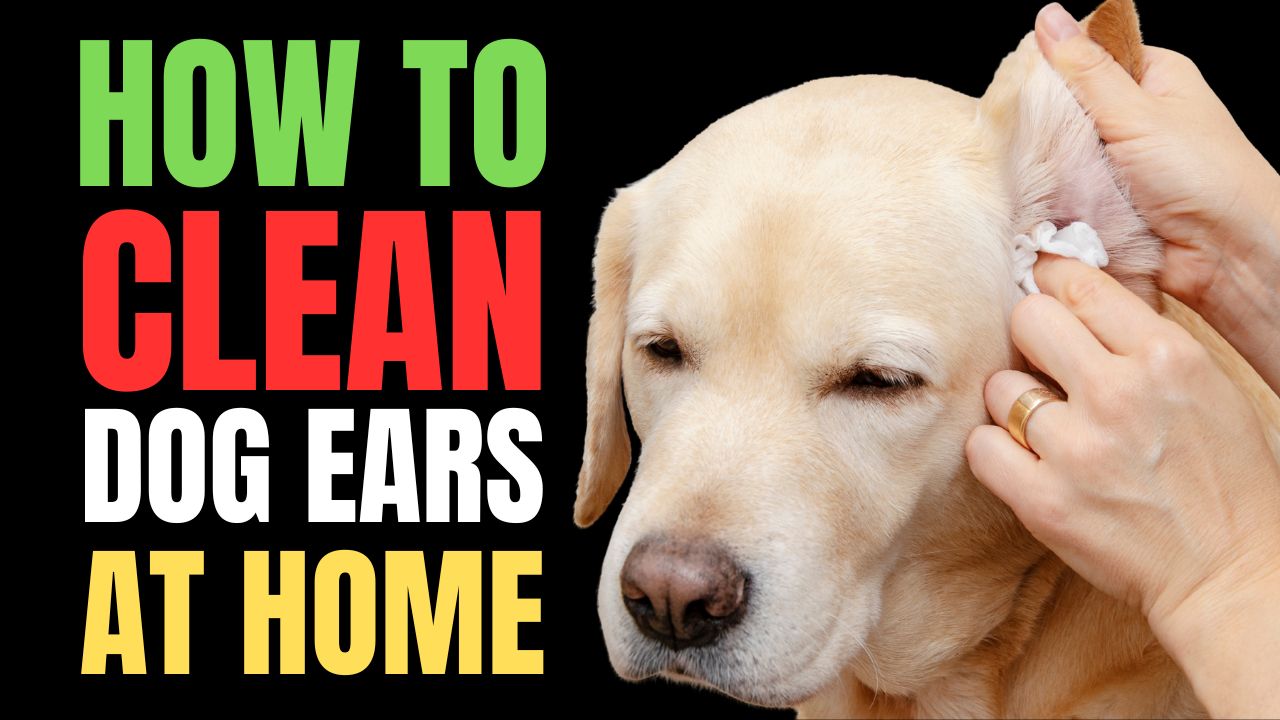
How to Clean Dog Ears at Home
Proper ear cleaning is an essential aspect of canine health care that many dog owners overlook. Regular ear maintenance can prevent painful infections, detect problems early, and ensure your dog's long-term comfort and hearing health. Unlike humans, dogs have L-shaped ear canals that trap moisture, wax, and debris, creating an environment where infections can easily develop if not properly maintained.
Learning to clean your dog's ears correctly is a valuable skill that can save you expensive veterinary bills and spare your dog unnecessary discomfort. With the right techniques and products, ear cleaning can become a quick, stress-free routine that strengthens the bond between you and your pet. This guide will walk you through everything you need to know about safe, effective ear cleaning for dogs of all breeds, sizes, and temperaments.
In this comprehensive guide, we'll cover why ear cleaning is important, how to recognize when your dog needs ear care, step-by-step cleaning instructions, recommended products, troubleshooting common problems, and how to establish a maintenance routine that keeps your dog's ears healthy for years to come.
Why Regular Ear Cleaning Matters
Proper ear care is crucial for preventing infections and maintaining your dog's overall health and comfort.
| Prevents Infections | Regular cleaning removes wax and debris that can lead to bacterial and yeast growth |
|---|---|
| Early Problem Detection | Routine cleaning allows you to spot issues before they become serious |
| Reduces Veterinary Costs | Preventive care is significantly less expensive than treating infections |
| Improves Comfort | Clean ears are more comfortable and reduce itching and head shaking |
| Preserves Hearing | Prevents buildup that can impair hearing over time |
Did You Know?
A dog's ear canal is significantly different from a human's. While human ear canals are relatively straight, canine ear canals have a vertical and horizontal component, forming an L-shape. This unique anatomy makes dogs more susceptible to ear problems because debris and moisture can easily become trapped in the horizontal portion of the canal. Additionally, dogs with floppy ears have even less air circulation, creating warm, dark, moist environments that are ideal for microbial growth. This is why breeds like Cocker Spaniels and Basset Hounds are particularly prone to ear issues. Understanding this anatomical difference helps explain why regular, proper cleaning is so important for canine ear health.
Consequences of Neglected Ear Care
- Ear Infections: Bacterial or yeast overgrowth causing pain and inflammation
- Hematomas: Blood blisters from violent head shaking due to irritation
- Hearing Loss: Chronic infections can damage ear structures over time
- Chronic Discomfort: Persistent itching, pain, and head shaking
- Systemic Infections: Severe ear infections can spread to other parts of the body
- Behavioral Changes: Pain can cause irritability and changes in temperament
Signs Your Dog Needs Ear Cleaning
Recognizing when your dog needs ear care is the first step toward preventing problems.
Head Shaking
Frequent or vigorous head shaking often indicates ear discomfort or irritation. While occasional shaking is normal, persistent shaking suggests something may be bothering your dog's ears.
Ear Scratching
Excessive scratching at ears or rubbing them against furniture may signal irritation, wax buildup, or the beginning of an infection that needs attention.
Unpleasant Odor
A foul smell from your dog's ears often indicates bacterial or yeast overgrowth. Healthy ears should not have a strong or unpleasant odor.
Redness or Swelling
Visible redness, inflammation, or swelling in the ear canal or flap are clear signs that cleaning and possibly veterinary attention are needed.
Discharge
Any unusual discharge - whether dark wax, pus, or bloody material - indicates a problem that requires cleaning and possibly medical treatment.
Sensitivity to Touch
If your dog pulls away, whines, or shows signs of pain when you touch their ears or head, this may indicate an ear problem needing attention.
Healthy vs. Unhealthy Ears
When to See a Veterinarian Instead of Cleaning
While regular cleaning is beneficial, there are times when you should seek veterinary care instead of attempting to clean your dog's ears at home. If your dog shows signs of severe pain (crying, snapping), if there's significant swelling that appears to be closing the ear canal, if you notice a bloody or pus-like discharge, or if your dog displays neurological symptoms like head tilting or loss of balance, these indicate potentially serious problems that require professional diagnosis and treatment. Additionally, if you've been cleaning regularly but symptoms persist or worsen, this suggests an underlying issue that needs veterinary attention. Never attempt to clean ears if you suspect a ruptured eardrum (indicated by severe pain, head tilt, or balance issues).
Preparation & Essential Tools
Having the right supplies and setting makes ear cleaning easier and more effective.
Ear Cleaning Solution
Essential
Veterinary-approved ear cleaner specifically formulated for dogs. Avoid homemade solutions unless recommended by your vet, as improper pH can cause irritation.
Look for drying agents if your dog swims frequently.
Cotton Balls or Gauze
Essential
Soft, absorbent materials for wiping away debris and excess cleaner. Avoid cotton swabs (Q-tips) which can push debris deeper and risk eardrum damage.
Have plenty on hand for thorough cleaning.
High-Value Treats
Highly Recommended
Special treats your dog loves but only gets during ear cleaning. This creates positive associations and makes the process easier over time.
Small, soft treats work best for quick rewards.
Complete Supply Checklist
- Dog ear cleaning solution (veterinary recommended)
- Cotton balls or gauze pads (abundant supply)
- Treats for positive reinforcement
- Towels for protecting surfaces and drying
- Good lighting to see what you're doing
- Assistant for wiggly dogs (optional but helpful)
- Disposable gloves if preferred
Choosing the Right Ear Cleaner
Not all ear cleaners are created equal, and the best choice depends on your dog's specific needs. For general maintenance, look for a gentle, pH-balanced solution. If your dog is prone to yeast infections, consider a cleaner with antifungal properties. For dogs who swim frequently, a drying agent like salicylic acid can help prevent moisture-related issues. Avoid cleaners with hydrogen peroxide or alcohol, as these can be irritating to sensitive ear tissue. If your dog has a history of ear problems, ask your veterinarian for specific product recommendations. Some cleaners are designed to break down wax, while others focus on drying or have medicinal properties. Reading labels carefully and understanding ingredients will help you select the most appropriate product for your dog.
What to Avoid
- Cotton swabs (Q-tips): Can push debris deeper and risk eardrum damage
- Hydrogen peroxide: Can damage healthy tissue and delay healing
- Rubbing alcohol: Too harsh for sensitive ear tissue
- Vinegar/water solutions: Unless specifically recommended by your vet
- Essential oils: Can be irritating or toxic if not properly diluted
- Human ear drops: Formulated for different pH and anatomy
Step-by-Step Cleaning Guide
Follow these steps for safe, effective, and stress-free ear cleaning.
Step-by-Step Process
- Prepare Your Supplies: Gather all materials before beginning so you don't have to search mid-process
- Choose the Right Location: Select a well-lit, comfortable area where your dog feels secure
- Inspect the Ears: Look for redness, swelling, discharge, or foreign objects before cleaning
- Apply Cleaning Solution: Fill the ear canal with solution without inserting the applicator tip
- Massage the Base: Gently massage the base of the ear for 20-30 seconds to distribute solution
- Allow Shaking: Let your dog shake their head to help loosen debris (stand back!)
- Wipe Away Debris: Use cotton balls to gently wipe out the ear canal and outer ear
- Reward and Praise: Offer treats and praise throughout and after the process
- Repeat on Other Ear: Use fresh supplies for the second ear to prevent cross-contamination
Proper Technique Tips
- Gentle Approach: Use calm, confident movements to avoid startling your dog
- Proper Restraint: For wiggly dogs, gently hold the head still without applying pressure
- Wipe Direction: Always wipe from the inside out, using fresh cotton for each wipe
- Solution Temperature: Warm the solution bottle in your hands if it feels cold
- Know When to Stop: Stop if you encounter resistance, pain, or bleeding
- Thorough Drying: Gently dry the outer ear after cleaning to prevent moisture buildup
Making Ear Cleaning a Positive Experience
Many dogs are sensitive about having their ears handled, so creating positive associations is crucial for long-term success. Start with very brief sessions where you simply touch the ears and offer high-value treats. Gradually work up to lifting ear flaps, then briefly looking inside, before attempting full cleaning. Perform ear care when your dog is tired and relaxed, such as after exercise. Use a calm, reassuring voice throughout the process. If your dog becomes stressed, take a break and try again later rather than forcing completion. Some dogs respond well to distraction techniques like lick mats or food puzzles during ear cleaning. The goal is to make ear care a normal, non-threatening part of your dog's routine. With patience and consistency, most dogs can learn to tolerate or even enjoy ear cleaning sessions.
Common Mistakes to Avoid
- Using cotton swabs deep in the ear canal
- Over-cleaning (can strip protective oils)
- Using inappropriate cleaning solutions
- Rushing the process
- Ignoring signs of pain or discomfort
- Not drying ears properly after cleaning
- Forcing a frightened or resistant dog
Recommended Cleaning Products
Choosing the right products makes ear cleaning safer and more effective.
General Use Cleaners
Gentle, pH-balanced solutions for routine maintenance. These are suitable for most dogs without specific ear issues and help remove wax and debris while maintaining healthy ear environment.
Drying Solutions
Specifically formulated for dogs who swim or have excessive moisture in ears. These often contain drying agents like salicylic acid to help evaporate trapped moisture and prevent infections.
Medicated Cleaners
Contain antifungal or antibacterial ingredients for dogs prone to specific infections. These should be used under veterinary guidance and are not typically for routine maintenance cleaning.
Top-Rated Product Features
- pH-balanced for canine ears (more alkaline than human products)
- Contains drying agents for dogs prone to moisture issues
- Includes wax-dissolving ingredients like squalene or cerumenolytic agents
- Veterinary recommended with proven safety and efficacy
- Easy-to-use applicator tip for controlled application
- Pleasant scent to make the experience more pleasant for both of you
Product Safety Considerations
Always read product labels carefully and follow instructions precisely. Never use ear cleaners intended for other animals or humans unless specifically directed by your veterinarian. Some ingredients that are safe for one species may be harmful to another. Be cautious with products containing antibiotics or steroids - these should only be used under veterinary supervision. If your dog shows any signs of reaction to a new ear cleaner (increased redness, swelling, or discomfort), discontinue use immediately and consult your veterinarian. Store all ear care products out of reach of pets and children, and check expiration dates before use. When trying a new product, consider doing a patch test by applying a small amount to the outer ear and waiting to see if any reaction occurs before using it in the ear canal.
Recommended Cleaning Frequency
The ideal cleaning schedule depends on your dog's breed, lifestyle, and individual needs.
High-Frequency Dogs
Weekly
Dogs with floppy ears, those who swim frequently, breeds prone to ear issues, or dogs with allergies often need weekly cleaning to prevent problems.
Inspect ears between cleanings for early problem detection.
Average Dogs
Monthly
Most dogs with upright ears and no history of ear problems do well with monthly maintenance cleaning combined with regular inspection.
Adjust based on wax production and odor.
Low-Maintenance Dogs
As Needed
Some dogs naturally produce very little wax and have excellent ear health, requiring only occasional cleaning when visible debris is present.
Still inspect regularly to monitor ear health.
Factors Influencing Cleaning Frequency
- Breed and ear type: Floppy ears need more frequent care
- Swimming habits: Water exposure increases cleaning needs
- Allergies: Allergic dogs often need more frequent cleaning
- Climate: Humid environments may require more frequent care
- Age: Older dogs may need different care than puppies
- History of ear problems: Previous issues may necessitate more vigilance
Special Considerations for Water-Loving Dogs
Dogs who swim regularly need special ear care attention. After swimming, gently dry the outer ears with a soft towel. Consider using an ear drying solution specifically designed to help evaporate trapped moisture. For frequent swimmers, cleaning after each swimming session may be necessary to prevent infections. Some owners find that placing cotton balls in the ears during swimming (removed immediately afterward) can help reduce water entry. If your dog is prone to ear infections after swimming, you might need to limit swimming frequency or duration. Always monitor for signs of ear problems more closely if your dog swims regularly, as moisture is a primary contributor to ear infections in dogs.
Breed-Specific Cleaning Considerations
Different breeds have unique ear anatomy that influences their cleaning needs.
High-Risk Breeds
Weekly Cleaning
Breeds with floppy ears, hairy ear canals, or predisposition to allergies need frequent, thorough cleaning. Examples: Cocker Spaniels, Basset Hounds, Labrador Retrievers.
Regular grooming including ear hair removal may be necessary.
Moderate-Risk Breeds
Bi-weekly to Monthly
Breeds with some ear issues but less predisposition than high-risk groups. Examples: German Shepherds, Beagles, Golden Retrievers.
Regular inspection is key to determining exact needs.
Low-Risk Breeds
Monthly or As Needed
Breeds with upright ears and minimal ear problems. Examples: Siberian Huskies, Chihuahuas, Doberman Pinschers.
Still require regular monitoring and occasional cleaning.
Special Grooming Needs by Breed Type
- Floppy-eared breeds: Need special attention to air circulation and moisture control
- Hairy-eared breeds: May require regular plucking of hair from ear canals
- Wrinkly breeds: Need cleaning of skin folds around ear openings
- Water breeds: Require diligent drying after water activities
- Allergy-prone breeds: Often need more frequent cleaning during flare-ups
Ear Hair Plucking: When and How
For breeds with hairy ear canals (like Poodles, Schnauzers, and some Terriers), ear hair plucking may be necessary as part of routine grooming. However, recent veterinary opinion has shifted on this practice. While removing excess hair can improve air circulation, aggressive plucking can cause micro-injuries that may actually increase infection risk. The current recommendation is to consult with your veterinarian or a professional groomer about what's appropriate for your specific dog. If hair removal is necessary, it should be done gently using hemostats or specially designed ear powder for better grip. Never remove large amounts of hair at once, and stop if your dog shows signs of pain. For many dogs, simply keeping the hair around the ear opening trimmed may be sufficient without needing to remove hair deep in the canal.
Troubleshooting Common Problems
Even with proper technique, you may encounter challenges when cleaning your dog's ears.
Common Issues and Solutions
Solutions for Common Challenges
- For resistant dogs: Use high-value treats, gradual desensitization, and consider professional help
- For excessive wax: Try a different cleaning solution, ensure thorough drying, and consult your vet
- For persistent odor: May indicate an underlying infection needing veterinary treatment
- For irritation: Switch to a gentler product and ensure you're not over-cleaning
- For head shaking: Usually normal after cleaning but persistent shaking may indicate a problem
When to Seek Professional Help
While many ear cleaning challenges can be resolved with technique adjustments or product changes, some situations require veterinary attention. If your dog shows signs of severe pain (crying, snapping) during cleaning attempts, if you notice blood or pus in the ears, if there's significant swelling, or if symptoms persist despite proper cleaning, consult your veterinarian. Additionally, if your dog develops head tilting, loss of balance, or facial asymmetry, these could indicate serious issues requiring immediate veterinary care. Recurrent ear problems despite appropriate home care often signal an underlying issue like allergies, hormonal imbalances, or anatomical problems that need professional diagnosis and management. Remember that while home care is valuable for maintenance, it's not a substitute for professional veterinary treatment when needed.
Frequently Asked Questions
There are several signs that indicate your dog's ears need cleaning. These include visible wax or debris in the ear canal, an unpleasant odor coming from the ears, frequent head shaking or scratching at the ears, redness or swelling in the ear canal, and sensitivity when you touch around the ears. Some dogs may also hold one ear slightly lower than the other or rub their ears against furniture or the floor. Regular inspection is the best way to determine cleaning needs - lift the ear flap and look inside weekly to familiarize yourself with your dog's normal ear appearance so you can spot changes early. Remember that some wax production is normal, but excessive buildup, dark-colored wax, or wax with a foul odor indicates cleaning is needed.
No, it's not recommended to use baby wipes or hydrogen peroxide for cleaning your dog's ears. Baby wipes often contain fragrances, preservatives, or other ingredients that can irritate the sensitive skin inside a dog's ear canal. Hydrogen peroxide can damage healthy ear tissue and delay healing if there's any inflammation or microscopic abrasions. The bubbling action of hydrogen peroxide can also be frightening to some dogs. Instead, use a veterinary-approved ear cleaner specifically formulated for dogs. These products have the appropriate pH balance for canine ears and contain ingredients that safely break down wax and debris without causing irritation. If you need to wipe the outer ear only, a damp cloth with warm water is safer than baby wipes.
Many dogs are sensitive about ear handling, but there are several strategies to make the process easier. First, ensure you're using a positive reinforcement approach with high-value treats that your dog only gets during ear cleaning. Start with very brief sessions where you simply touch the ears and offer treats, gradually working up to longer handling. Perform ear care when your dog is tired and relaxed, such as after exercise. If your dog is wiggly, consider having a second person gently hold them or try the "burrito method" of wrapping them snugly in a towel. Some dogs do better with distraction like a lick mat or food puzzle during cleaning. If your dog remains extremely resistant, consult a professional trainer or your veterinarian for guidance. In some cases, anxiety medication may be appropriate for veterinary visits when deep cleaning is needed.
You should only clean as deep as you can see - never insert anything into the ear canal beyond what is visible. A dog's ear canal has an L-shape, and the eardrum is located deeper than you might expect. Using cotton balls or gauze wrapped around your finger, gently wipe the visible parts of the ear canal. The ear cleaning solution will help distribute deeper into the canal when you massage the base of the ear. After massaging and allowing your dog to shake their head, debris from deeper in the canal will come up to where you can safely wipe it away. Never use cotton swabs (Q-tips) deep in the ear canal as these can push debris further in and potentially damage the eardrum. If you feel your dog needs deeper cleaning than you can safely provide, consult your veterinarian or a professional groomer.
Yes, it's completely normal and even desirable for dogs to shake their heads after ear cleaning. The shaking helps remove excess cleaning solution and dislodged debris from deep in the ear canal. This is why it's recommended to allow your dog to shake their head after massaging the ear base with cleaning solution - stand back to avoid getting splattered! Some head shaking for a short period after cleaning is normal, but if your dog continues shaking vigorously for more than 30 minutes or seems distressed, this could indicate that too much solution remains in the ear or that the cleaning caused irritation. In such cases, gently wipe the ear again with a dry cotton ball and monitor your dog. If head shaking persists or is accompanied by other signs of discomfort, consult your veterinarian.
While some homemade ear cleaning solutions are sometimes recommended, it's generally better to use a commercially prepared, veterinary-approved product. Homemade solutions may not have the correct pH balance for canine ears, which can lead to irritation. They also lack the specific ingredients that help break down ear wax and debris effectively. If you do choose to make a homemade solution, a commonly recommended recipe is equal parts white vinegar and rubbing alcohol, but this can be too drying for some dogs and may sting if there are any raw areas. A gentler option is equal parts vinegar and distilled water. However, these should only be used on healthy ears for maintenance cleaning, not on infected or inflamed ears. Always consult your veterinarian before using any homemade solution, as they can recommend the safest approach for your individual dog.
Mild redness immediately after cleaning can be normal due to increased blood flow from the massaging action. However, significant redness, especially if accompanied by swelling, pain, or increased discharge, may indicate a problem. This could be a reaction to the cleaning solution, irritation from overly vigorous cleaning, or sign of an underlying infection that was aggravated by cleaning. If the redness is mild and resolves within an hour or two, it's probably not concerning. But if the redness is severe, persists, or worsens, discontinue use of the cleaning product and consult your veterinarian. It's possible your dog may be sensitive to an ingredient in the cleaner, or there may be an infection present that requires medical treatment rather than just cleaning.
Cleaning a puppy's ears requires extra gentleness and patience. Puppies have more sensitive ear tissue, so use a specially formulated puppy ear cleaner or a very gentle dog ear cleaner. The process is similar to adult dogs but should be even more gradual. Start by getting puppies accustomed to having their ears handled through positive reinforcement before attempting actual cleaning. Sessions should be very brief initially. Because puppies are often more wiggly, you may need an assistant to help hold them gently. Use smaller cotton balls or gauze pieces that are appropriate for their smaller ear canals. The frequency of cleaning may be different for puppies - some produce more wax during growth periods, while others have very clean ears. Consult your veterinarian for specific guidance on your puppy's ear care needs based on their breed and individual characteristics.
Bottom Line: Establishing a Healthy Ear Care Routine
Regular ear cleaning is an essential component of your dog's overall health care that prevents discomfort, detects problems early, and can save you from costly veterinary treatments down the line. By establishing a consistent ear care routine tailored to your dog's specific needs, you're not only maintaining their ear health but also strengthening your bond through positive, caring interactions. Remember that the goal isn't perfection but consistency - even imperfect cleaning done regularly is far better than occasional perfect cleaning. Pay attention to your dog's individual needs, adjusting frequency and technique based on their breed, lifestyle, and any health considerations. Most importantly, know when home care is sufficient and when professional help is needed. With patience, the right products, and proper technique, ear cleaning can become a quick, stress-free part of your dog's grooming routine that ensures their comfort and hearing health for years to come.
References and Further Readings
In the Spotlight


About the Author

Abigail Missimo
Author
Pet care industry expert and professional dog trainer, specializing in retriever training and therapy work. AKC Canine Good Citizen Evaluator, Go Team Therapy Dogs volunteer, and hospitality chair of the Boykin Spaniel Club.


