Puppy Pad: Seven Best Brands for Potty Training
 Dawn Lowery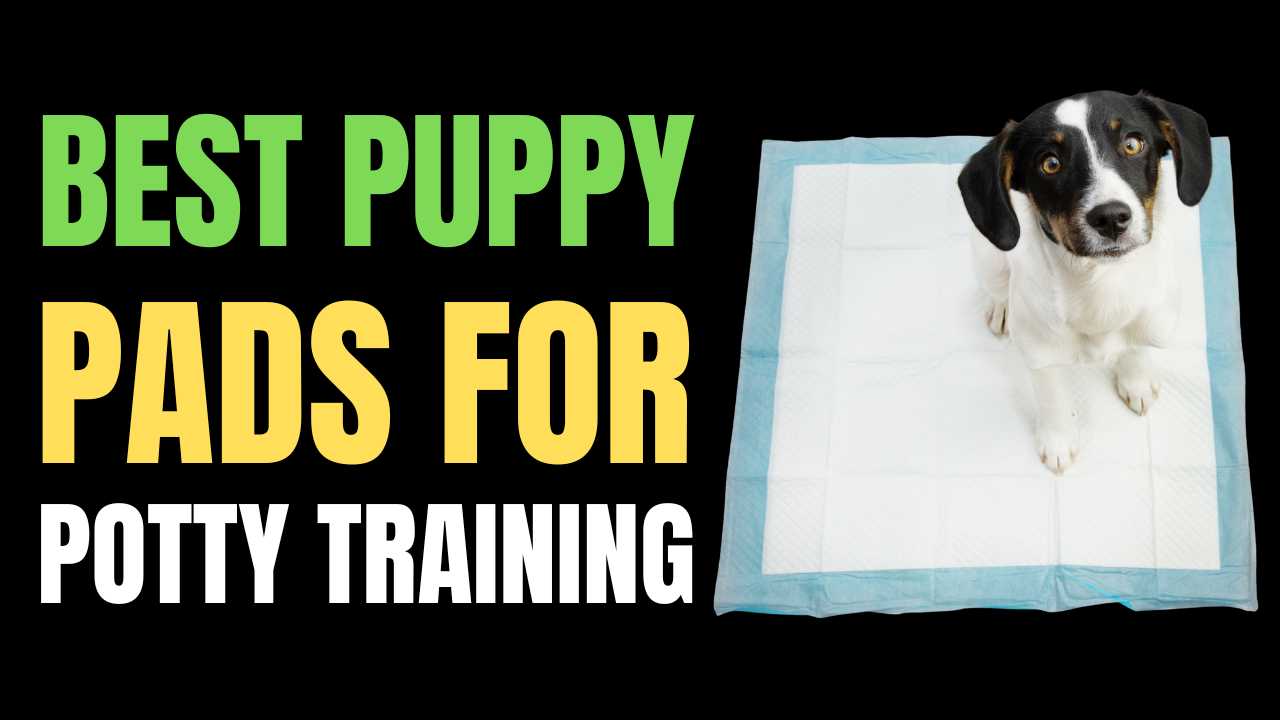
Puppy Pad: Seven Best Brands for Potty Training
Puppy pads are an essential tool for successful potty training, especially for apartment dwellers, during inclement weather, or for pet owners with limited outdoor access. The right puppy pad can make the difference between a smooth training experience and frustrating accidents throughout your home. With dozens of options available, selecting the best puppy pad for your specific needs can be challenging.
This comprehensive guide evaluates the seven best puppy pad brands based on absorbency, leak protection, odor control, value, and eco-friendliness. We've analyzed customer reviews, expert opinions, and product specifications to help you make an informed decision. Whether you're training a new puppy, caring for an elderly dog with mobility issues, or preparing for bad weather days, you'll find the perfect puppy pad solution here.
From budget-friendly options to premium pads with advanced features, our selection covers a range of needs and preferences. We'll also provide guidance on proper puppy pad usage, placement strategies, and transitioning to outdoor elimination when the time is right. With the right puppy pad and consistent training techniques, you can establish good potty habits that will last your dog's lifetime.
How We Selected the Best Puppy Pads
Our evaluation process considered multiple factors to ensure a comprehensive assessment of each puppy pad brand.
| Absorbency | How quickly and effectively the pad absorbs liquid and prevents pooling |
|---|---|
| Leak Protection | Ability to contain moisture without leaking through to flooring |
| Odor Control | Effectiveness at neutralizing and containing urine odors |
| Size & Coverage | Appropriate dimensions for different dog sizes and usage areas |
| Value | Cost per pad and overall value considering performance |
| Eco-Friendliness | Use of sustainable materials and biodegradability |
Understanding Puppy Pad Construction
Quality puppy pads typically consist of multiple layers designed for maximum effectiveness. The top layer is usually a soft, non-woven fabric that feels comfortable under your puppy's paws while allowing liquid to pass through quickly. Beneath this is an absorbent core, often made of wood pulp or super-absorbent polymers (SAP) that can hold many times their weight in liquid. The bottom layer is a waterproof backing, typically made of polyethylene, that prevents leaks from reaching your floors. Some premium pads include additional features like attractant scents to encourage puppies to use the pad, adhesive strips to keep the pad in place, or odor-neutralizing technology. Understanding these layers helps you evaluate why certain pads perform better than others and what features matter most for your specific situation.
Choosing the Right Size
- Small breeds (under 15 lbs): 22x22 inches or smaller pads work well
- Medium breeds (15-40 lbs): Standard 23x24 inch pads provide adequate coverage
- Large breeds (40+ lbs): 28x34 inch or extra-large pads ensure full coverage
- Multiple dogs or high usage: Consider extra-large pads or placement of multiple standard pads
- Specific placement areas: Measure your intended space before purchasing
The 7 Best Puppy Pad Brands
Our top selections based on comprehensive testing and customer feedback.
Amazon Basics Regular Absorbency
An excellent balance of performance and value, these pads offer reliable leak protection with a quilted top layer for quick absorption. The adhesive strips keep the pad securely in place.
Simple Solution Extreme Protection
Premium pads with 5-layer protection and pheromone attractant. Excellent for stubborn puppies or heavy wetters. The odor-neutralizing technology is particularly effective.
Wee-Wee Disposable Puppy Pads
These pads feature a unique hexagonal absorbent core that distributes liquid evenly. The plastic backing is extra thick for superior leak protection on hardwood and carpet.
Pet Parents Washable Pads
The best eco-friendly option, these washable pads can be reused up to 300 times. Made with super-absorbent bamboo and a waterproof layer, they're both effective and sustainable.
Hartz UltraGuard
Budget-friendly pads that perform above their price point. The triple-layer protection provides reliable absorbency, and the secure-grip corners prevent sliding on hard surfaces.
Glad For Pets Extra Large
Ideal for large breeds or multiple dogs, these extra-large pads (28x34") provide expansive coverage. The 7-layer system includes an odor-lock core that neutralizes smells effectively.
Paw Inspired Training Pads
These pads feature a unique blue dye in the absorbent layer that changes color when wet, making it easy to monitor your puppy's hydration levels and potty habits.
Our Top Recommendation
After extensive testing and analysis of customer feedback, we recommend Amazon Basics Regular Absorbency Pads as the best overall choice for most puppy owners. These pads strike an ideal balance between performance and value, offering reliable leak protection and adequate absorbency at a reasonable price point. The 100-count package provides excellent value, and the adhesive strips effectively keep the pads in place. While they may not have all the premium features of more expensive brands, they consistently perform well across all our testing criteria. For those with specific needs, our other recommendations excel in their respective categories: Simple Solution for superior odor control, Pet Parents for eco-friendliness, and Glad For Pets for large breed coverage. However, for the average puppy owner seeking dependable performance without breaking the bank, Amazon Basics delivers exceptional value and reliability.
Brand Comparison & Special Awards
How the top brands compare across different performance categories.
Best Overall
Amazon Basics
Excellent balance of performance, value, and reliability. Ideal for most puppy training situations.
Top choice for everyday use
Best Budget
Hartz UltraGuard
Surprisingly effective performance at an affordable price point. Great for high-volume usage.
Cost-effective solution
Best Premium
Simple Solution
Advanced features including pheromone attractant and superior odor control technology.
Top-tier performance
Best Absorbency
Wee-Wee
Hexagonal core design distributes liquid evenly for maximum absorption capacity.
Quick-dry technology
Best Leak Protection
Glad For Pets
7-layer construction with reinforced edges prevents leaks even with heavy usage.
Ideal for valuable floors
Best Odor Control
Simple Solution
Advanced odor-neutralizing technology effectively contains and eliminates urine smells.
Great for small spaces
Best Eco-Friendly
Pet Parents
Washable, reusable pads made from sustainable bamboo materials. Reduces environmental impact.
300+ uses per pad
Performance Comparison Table
| Brand | Absorbency | Leak Protection | Odor Control | Value |
|---|---|---|---|---|
| Amazon Basics | 8/10 | 9/10 | 7/10 | 10/10 |
| Simple Solution | 10/10 | 10/10 | 10/10 | 7/10 |
| Wee-Wee | 9/10 | 8/10 | 8/10 | 8/10 |
| Pet Parents | 9/10 | 9/10 | 8/10 | 9/10 |
| Hartz | 7/10 | 7/10 | 6/10 | 10/10 |
| Glad For Pets | 9/10 | 10/10 | 9/10 | 7/10 |
| Paw Inspired | 8/10 | 8/10 | 7/10 | 8/10 |
What to Avoid When Choosing Puppy Pads
When selecting puppy pads, avoid these common pitfalls: Don't choose pads based solely on price - extremely cheap pads often have poor absorbency and leak protection. Avoid pads with weak adhesive backing if you have a puppy who likes to dig or play with the pad. Steer clear of pads that use strong perfumes to mask odors - these can irritate your puppy's sensitive nose and may discourage pad use. Don't purchase pads that are too small for your breed - inadequate coverage leads to misses. Avoid pads with thin plastic backing if you have valuable flooring - invest in higher-quality leak protection. Don't buy in excessive bulk until you've tested a brand - what works for one puppy might not work for another. Avoid pads that don't have clear size markings - inconsistent sizing can disrupt your training routine. By being mindful of these potential issues, you can select pads that will effectively support your potty training efforts.
Proper Puppy Pad Usage & Training Tips
Maximize the effectiveness of puppy pads with proper placement and training techniques.
Strategic Placement
Place pads in consistent locations that are easily accessible to your puppy. Common spots include near doors, in exercise pens, or in confined puppy areas.
Tip: Start with multiple pads and gradually reduce
Transition Planning
If eventually transitioning to outdoor elimination, gradually move pads closer to the door, then outside, before phasing them out completely.
Tip: Use same cue words for both pad and outdoor elimination
Positive Reinforcement
Immediately reward your puppy with treats and praise when they successfully use the pad. Consistency is key to establishing the habit.
Tip: Use high-value treats for pad successes
Supervision & Timing
Watch for pre-potty signals like sniffing or circling and gently guide your puppy to the pad. Take them to the pad after waking, eating, or playing.
Tip: Use a leash to guide hesitant puppies
Proper Maintenance
Change soiled pads promptly to maintain hygiene and encourage continued use. For washable pads, follow cleaning instructions carefully.
Tip: Keep a small piece of soiled pad to maintain scent
Accident Management
If accidents happen near the pad, don't punish. Clean thoroughly with enzymatic cleaner and consider adjusting pad placement or size.
Tip: Use a black light to find missed accidents
Step-by-Step Puppy Pad Training
- Establish a confined area with bedding, water, and puppy pads
- Observe your puppy's natural elimination patterns and note timing
- Take your puppy to the pad at key times (after waking, eating, playing)
- Use a consistent verbal cue like "go potty" when they're on the pad
- Reward immediately with treats and praise for successful pad use
- Gradually expand your puppy's access to other areas once they're reliable with pads
- Begin transition to outdoor elimination (if desired) by moving pads closer to the door
Creating a Potty Schedule with Puppy Pads
Establishing a consistent schedule is crucial for successful puppy pad training. Take your puppy to the pad first thing in the morning, last thing at night, after naps, 15-30 minutes after meals, after play sessions, and every 1-2 hours during the day. Young puppies (8-12 weeks) typically need to eliminate every 30-60 minutes when awake. As your puppy grows, they can hold it longer - a general guideline is one hour per month of age, up to about 8 hours for adult dogs. Keep a simple log of when your puppy eats, drinks, sleeps, and eliminates to identify their natural patterns. This predictability helps you anticipate when they need to go and get them to the pad in time. Consistency in timing, location, and rewards will help your puppy learn faster and become reliably pad-trained. Remember that accidents are a normal part of the learning process - what matters is how consistently you respond to and prevent them.
Frequently Asked Questions
Change puppy pads as soon as they become soiled, or at least once daily if they have only been lightly used. For puppies who eliminate frequently, you may need to change pads multiple times per day. Soiled pads left in place can discourage your puppy from using them again due to the unpleasant smell and texture. Additionally, bacteria can multiply on dirty pads, creating potential health hazards. If you're using washable pads, have several on hand so you can rotate them - soiled pads should be washed promptly according to manufacturer instructions. For disposable pads, fold them carefully with the soiled side inward before disposal to contain odors and mess. Keeping pads fresh and clean encourages consistent use and maintains good hygiene in your home.
Puppy pads can potentially cause confusion during the transition to outdoor elimination if not managed properly. To minimize confusion: Use the same verbal cue ("go potty") for both pad and outdoor elimination. Gradually move pads closer to the door, then just outside the door, before phasing them out completely. Take your puppy to their outdoor potty spot at times they would normally use the pad. When they eliminate outside, provide even higher-value rewards than for pad use. Consider using a different surface texture outdoors (like grass) than indoors (the pad texture) to help your puppy distinguish between appropriate elimination areas. Many puppies successfully transition from pads to outdoors with a gradual, consistent approach. The key is to make the outdoor option increasingly attractive while slowly reducing reliance on pads.
Washable puppy pads are generally more cost-effective in the long run, though they require a higher initial investment. A set of 3 quality washable pads typically costs $30-50 but can last through hundreds of uses. Disposable pads cost $0.15-0.50 each depending on quality and quantity purchased. If you use 2-3 disposable pads per day, the annual cost would be $110-550. Washable pads typically pay for themselves within 3-6 months of use. Additional factors to consider: Washable pads require laundry costs (water, detergent, electricity) and time for cleaning. They're also more environmentally friendly, reducing waste significantly. However, disposable pads offer convenience, especially during the initial intense potty training phase or when traveling. Many owners use a combination - washable pads for main areas and disposable for backup or travel situations.
Puppies tearing up pads is a common issue, especially for curious or playful breeds. Solutions include: Using pads with adhesive backing to secure them to the floor. Placing a pad holder or tray over the pad (commercial options available or DIY with a wire storage cube). Providing appropriate chew toys to redirect the behavior. Supervising pad use and interrupting attempts to play with the pad. Using heavier washable pads that are less easily destroyed. Applying bitter apple spray to the edges of disposable pads (test on a small area first). Ensuring your puppy gets sufficient physical and mental exercise to reduce boredom-related destruction. Teaching a "leave it" command and rewarding your puppy for ignoring the pad except for elimination. If the behavior persists, consider confining your puppy to an exercise pen with the pad at one end and bedding at the other, or using a potty patch system with artificial grass instead of traditional pads.
To encourage consistent pad use: Place pads in easily accessible, low-traffic areas. Use pads with attractant scents (or add a commercial attractant spray). Keep a small piece of previously used pad (the clean edge) under the new pad to maintain the scent cue. Follow a strict potty schedule, taking your puppy to the pad at predictable intervals. Use high-value rewards immediately when your puppy uses the pad correctly. Supervise closely and gently interrupt accidents, redirecting to the pad. Limit your puppy's access to other areas until they're reliably using pads. Clean accidents thoroughly with enzymatic cleaner to remove odor cues that might attract them back to inappropriate spots. Be patient and consistent - it typically takes 2-4 weeks for puppies to become reliably pad-trained. If your puppy consistently avoids the pads, try different locations, brands, or consider whether the pad texture is uncomfortable for them.
When used properly, puppy pads are generally safe, but there are some health considerations: Change soiled pads promptly to prevent bacterial growth that could lead to urinary tract infections or skin irritations. Supervise your puppy to prevent ingestion of pad materials, which could cause intestinal blockage. Some puppies may develop a preference for soft surfaces for elimination, potentially leading to accidents on rugs or carpets. Puppies who use pads long-term might take longer to develop full bladder control since they never learn to "hold it" for extended periods. To minimize health risks: Choose pads without strong perfumes or chemicals that could irritate sensitive respiratory systems. Wash your hands after handling soiled pads. Keep pad areas clean and dry. Monitor your puppy for any signs of irritation or infection around their genital area. Consult your veterinarian if you notice any changes in elimination patterns or signs of discomfort during urination.
Yes, puppy pads can be used for adult dogs in several situations: For senior dogs with mobility issues or incontinence. During inclement weather when outdoor elimination is challenging. For dogs living in high-rise apartments without easy outdoor access. When owners have mobility limitations that make frequent trips outside difficult. During recovery from surgery or illness when outdoor activity is restricted. For housebreaking rescue dogs with unknown potty training history. When transitioning a newly adopted adult dog to your home before establishing outdoor routines. The training process is similar to puppy training, though adult dogs may learn faster. Some considerations for adult dogs: They produce more urine, so you may need larger pads or more frequent changes. Previously outdoor-trained dogs might initially resist using pads indoors. Adult dogs with established elimination preferences may need gradual introduction to pads. In most cases, adult dogs can successfully learn to use pads with consistency and positive reinforcement.
Bottom Line: Choosing the Right Puppy Pad
Selecting the right puppy pad is an important decision that can significantly impact your potty training success. The ideal pad balances absorbency, leak protection, odor control, and value for your specific situation. For most puppy owners, Amazon Basics Regular Absorbency Pads offer the best combination of performance and affordability. If you're dealing with particularly stubborn odors or have a heavy wetter, invest in Simple Solution Extreme Protection pads. For environmentally conscious owners, Pet Parents Washable Pads provide a sustainable alternative that pays for itself over time. Large breed owners should consider Glad For Pets Extra Large pads for adequate coverage. Remember that proper usage is just as important as pad selection - consistent placement, timely changes, positive reinforcement, and a regular schedule will help your puppy learn faster. While puppy pads are a valuable training tool, they work best as part of a comprehensive potty training approach that includes supervision, crate training, and eventually transitioning to outdoor elimination when appropriate. With the right pads and consistent training techniques, you'll establish good potty habits that keep your home clean and your puppy comfortable.
References and Further Readings
In the Spotlight









About the Author

Dawn Lowery
Author
Dawn Lowery, CPDT-KA, is a Certified Professional Dog Trainer and AKC Canine Good Citizen Evaluator. She teaches Dog First Aid & CPR, volunteers with Boston Terrier Rescue of CT, and helps families build lasting bonds with their dogs.