Why Do Dogs Put Their Tails Between Their Legs?
 Dawn Lowery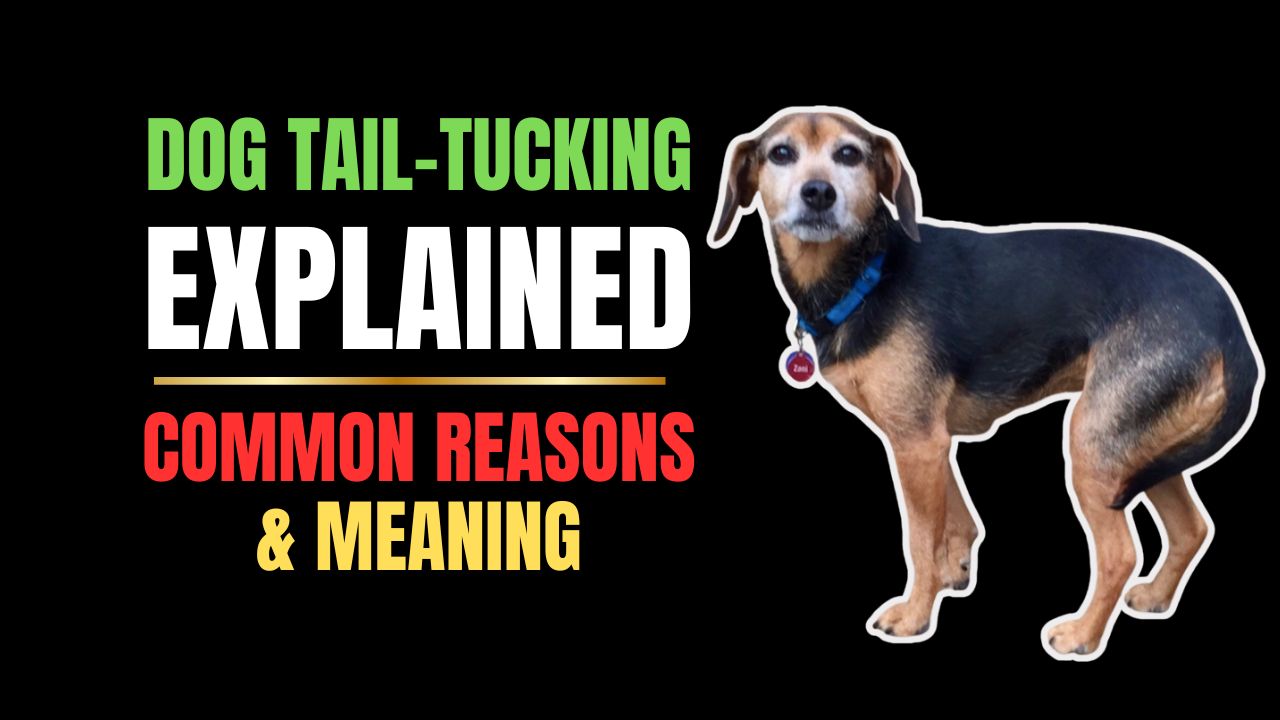
Dog Tail-Tucking Explained: Emotional & Medical Causes
A tucked tail is one of the most recognizable yet misunderstood signals in canine communication. While many people interpret this posture simply as fear or submission, the reality is far more nuanced. This distinctive tail position communicates a complex range of emotional states and serves important social functions in the canine world.
Dogs use their tails as sophisticated communication tools, with different positions and movements conveying specific messages to other dogs and humans. A tail tucked between the legs represents a significant shift from normal tail carriage and typically indicates emotional distress, discomfort, or specific social intentions. Understanding the context and accompanying body language is crucial for accurate interpretation.
This comprehensive guide explores the science behind tail tucking, from evolutionary origins to modern behavioral interpretations. You'll learn to distinguish between different types of tail tucking, understand what your dog is trying to communicate, and discover how to respond appropriately to this important behavioral signal.
Understanding Canine Tail Positions
A dog's tail serves as a highly visible communication tool that conveys emotional states, social intentions, and arousal levels. Different tail positions form part of a complex visual language that dogs use to interact with their environment and communicate with other animals and humans.
The Evolution of Tail Communication
The canine tail has evolved from its original functions of balance and pest control into a sophisticated communication device. Research suggests that domestic dogs have developed more varied and expressive tail positions and movements compared to their wolf ancestors. This enhanced communication ability may have developed through selective breeding and the need to communicate effectively with humans. Studies have shown that dogs are more likely to wag their tails to the right when viewing their owners, suggesting specialized communication adaptations. The tucked tail position specifically serves to protect vulnerable areas while simultaneously signaling non-threatening intentions. Understanding this evolutionary background helps explain why tail positioning is such an important aspect of canine behavior and why different positions carry specific meanings.
Tail Positions as Communication
Dogs use their tails to communicate a wide range of emotions and intentions. From the confident high carriage of an alert dog to the tucked position of a fearful or submissive individual, each tail position conveys specific information to observers.
| Tail Position | Common Context | Likely Meaning |
|---|---|---|
| High & Stiff | Alert situations, potential threats | Confidence, arousal, potential aggression |
| Neutral Position | Relaxed environments, familiar settings | Contentment, relaxation, normal state |
| Low & Loose | Uncertain situations, mild concern | Apprehension, uncertainty, mild stress |
| Tucked Between Legs | Fearful situations, submission, pain | Fear, anxiety, submission, discomfort |
Reasons Dogs Tuck Their Tails
Tail tucking serves multiple purposes that span emotional expression, social communication, and physical protection. Understanding these different motivations helps you respond appropriately to your dog's needs.
Emotional Reasons
Fear & Anxiety
Dogs tuck their tails when experiencing fear, anxiety, or stress. This position communicates non-threatening intentions and helps protect vulnerable areas during threatening situations.
Most common cause
Social Reasons
Submission & Appeasement
Tail tucking signals submission to more dominant dogs or people. This appeasement behavior helps prevent conflict and maintain social harmony in group settings.
Social communication
Physical Reasons
Pain & Discomfort
Dogs may tuck their tails when experiencing physical pain, particularly in the hindquarters, tail, or abdominal areas. This can indicate medical issues requiring attention.
Medical concern
Tail Tucking Causes by Frequency
The Physiology of Tail Tucking
From a physiological perspective, tail tucking involves complex interactions between the nervous system, muscles, and emotional centers in the brain. When a dog feels threatened or fearful, the sympathetic nervous system activates the "fight or flight" response, causing muscles to tense and the tail to be pulled close to the body for protection. This position serves multiple physical functions: it protects the genitals and anal area from potential threats, makes the dog appear smaller and less threatening, and reduces the risk of injury to the tail itself. Additionally, tail tucking may help conserve body heat in cold conditions by reducing exposed surface area. Understanding these physiological underpinnings helps explain why this behavior is such a consistent response across different situations that trigger fear, anxiety, or submission.
Context Matters: Interpreting Tail Tucking
The meaning behind your dog's tucked tail depends heavily on the context in which it occurs. The same physical posture can communicate different messages depending on the situation, accompanying body language, and your dog's individual personality.
Situational Interpretation
Understanding what was happening immediately before and during your dog's tail tucking provides crucial clues to its meaning. Different contexts trigger tail tucking with distinct emotional underpinnings.
| Situation | Likely Meaning | Appropriate Response |
|---|---|---|
| During thunderstorms | Fear, anxiety about loud noises | Provide safe space, avoid reinforcing fear |
| When meeting new dogs | Social submission, uncertainty | Allow controlled introductions, watch for tension |
| During veterinary exams | Fear, anxiety, or physical discomfort | Use calming techniques, positive reinforcement |
| After being scolded | Submission, stress, appeasement | Use positive reinforcement training instead |
Reading the Full Body Picture
Tail position rarely occurs in isolation. To accurately interpret your dog's tucked tail, you need to consider the complete body language picture. A fear-based tail tuck is typically accompanied by other anxiety signals such as pinned ears, lowered body posture, avoidance behaviors, trembling, or submissive urination. In contrast, a pain-related tail tuck might be accompanied by limping, reluctance to move, vocalizing when touched, or changes in appetite. Social submission tail tucking often includes additional appeasement signals like lip licking, turning the head away, or rolling over to expose the belly. By observing the entire constellation of body signals rather than focusing solely on the tail position itself, you can much more accurately determine your dog's emotional state and respond appropriately to their needs.
Context Assessment Checklist
- What immediately preceded the tail tucking?
- What is the overall environment like?
- Are there unfamiliar people or animals present?
- Has there been any recent physical trauma?
- What other body language is your dog displaying?
- How long does the tail remain tucked?
- What is your dog's overall health status?
- What is your own emotional state and behavior?
Emotional States Behind Tail Tucking
Tail tucking is associated with several distinct emotional states, each with specific triggers and behavioral correlates. Understanding these emotional underpinnings helps you address the root cause rather than just the symptom.
The Emotional Spectrum
Dogs experience a range of emotions that can trigger tail tucking, from mild apprehension to intense fear. The specific emotional state influences the intensity and duration of the tail tucking behavior.
Mild Apprehension
Tail Position: Slightly lowered or tucked
Body Language: Slight lowering, alert ears
Common Triggers: Novel situations, mild uncertainty
Response: Gentle encouragement, allow exploration
Active Fear
Tail Position: Tightly tucked between legs
Body Language: Cowering, trembling, avoidance
Common Triggers: Loud noises, perceived threats
Response: Remove threat, provide safe space
Extreme Terror
Tail Position: Completely tucked, pressed against belly
Body Language: Frozen posture, possible aggression
Common Triggers: Severe threats, past trauma
Response: Professional behavior help needed
The Relationship Between Fear and Aggression
It's crucial to understand that fear and aggression are closely linked in canine behavior. A dog with a tucked tail may seem submissive and harmless, but extreme fear can trigger defensive aggression if the dog feels trapped or believes escape is impossible. This is sometimes called "fear biting" or "defensive aggression." The progression often follows a predictable pattern: the dog first displays fear signals (tail tucking, cowering, avoidance), then may progress to warning signals (growling, showing teeth), and finally may bite if earlier signals are ignored. This is why it's essential to respect a dog's fear signals and never force interactions with a fearful dog. Understanding this fear-aggression connection helps prevent dangerous situations and ensures appropriate responses to tail tucking behavior.
Social vs. Non-Social Fear
Tail tucking can result from different types of fear triggers, which require different management approaches.
| Fear Type | Common Triggers | Management Approach |
|---|---|---|
| Social Fear | Other dogs, unfamiliar people, social pressure | Controlled socialization, positive associations |
| Environmental Fear | Loud noises, novel objects, specific locations | Desensitization, safe spaces, predictability |
| Separation Anxiety | Being left alone, isolation | Gradual alone-time training, enrichment |
| Medical Fear | Veterinary visits, grooming, handling | Cooperative care training, positive associations |
Body Language Clues
Tail position is just one piece of the complex puzzle of canine communication. To accurately interpret your dog's tucked tail, you need to consider the accompanying body language signals that provide context and clarification.
Facial Expressions
Beyond the Tail
Observe your dog's eyes, ears, and mouth tension. Fearful dogs often show whale eye (whites visible), pinned back ears, tense facial muscles, and possible lip licking or yawning.
Face reveals emotional intensity
Body Posture
The Full Picture
Note whether your dog's body is lowered, weight shifted backward, or muscles tense. A crouched posture with tucked tail indicates stronger fear than a normal stance with slightly lowered tail.
Posture confirms emotional state
Other Signals
Cluster Recognition
Look for accompanying behaviors like trembling, panting, avoidance, or submissive urination. These often occur together with tail tucking as part of a cluster of fear signals.
Multiple signals increase accuracy
Body Language Assessment
| Body Part | Confident/Relaxed Signs | Fearful/Anxious Signs |
|---|---|---|
| Eyes | Soft, relaxed, normal eyelid | Whale eye, wide-eyed, avoidance |
| Ears | Natural position, relaxed | Pinned back, tense, rapidly moving |
| Mouth | Soft, slightly open, relaxed | Closed tight, tension, lip licking |
| Body | Loose, wiggly, relaxed posture | Stiff, tense, lowered, weight shifted back |
The Concept of Signal Clusters
Canine communication experts emphasize the importance of reading "signal clusters" rather than individual behaviors in isolation. A single tucked tail might be ambiguous, but when it occurs together with other specific behaviors, its meaning becomes much clearer. For example, a tucked tail accompanied by pinned ears, whale eye, lowered body, and trembling clearly indicates fear. In contrast, a slightly lowered tail with relaxed body posture and normal ear position might simply indicate mild uncertainty. Learning to recognize these clusters takes practice but dramatically improves your ability to understand what your dog is experiencing emotionally. Pay particular attention to behaviors that occur in quick succession, as these often represent a coherent emotional message rather than random, unrelated actions. Documenting these clusters in different contexts can help you learn your individual dog's specific communication patterns.
When to Worry About Tail Tucking
While occasional tail tucking in appropriate contexts is normal canine behavior, certain patterns or contexts may indicate underlying issues that require attention.
Medical Concerns
In some cases, tail tucking can signal physical discomfort or health problems. It's important to recognize when tail positioning might indicate a need for veterinary attention.
| Symptom Pattern | Possible Causes | Recommended Action |
|---|---|---|
| Sudden, persistent tail tucking | Tail injury, anal gland issues, back pain | Veterinary examination |
| Tail tucking with vocalization | Acute pain, injury, neurological issues | Immediate veterinary attention |
| Inability to lift tail normally | Limber tail syndrome, nerve damage | Veterinary examination |
| Tail tucking with other illness signs | Various medical conditions | Comprehensive veterinary workup |
The Pain-Tail Position Connection
Veterinarians have noted that dogs in pain often carry their tails differently than usual. This is particularly true for pain in the hindquarters, tail, back, or abdominal regions. Dogs with conditions like limber tail syndrome (also called cold tail or swimmer's tail) typically carry their tails in a dropped or tucked position due to pain and muscle strain. Similarly, dogs with anal gland issues, hip dysplasia, or spinal problems may tuck their tails to alleviate discomfort. The mechanism involves both conscious protection of painful areas and unconscious postural adjustments to reduce strain on affected tissues. If your dog's tail carriage changes suddenly without an obvious emotional trigger, or if the tail appears stiff, limp, or is held asymmetrically, a veterinary examination is warranted to rule out physical causes.
Behavioral Concerns
When medical causes have been ruled out, persistent or context-inappropriate tail tucking may indicate chronic anxiety or fear that requires behavioral intervention.
- Frequent tail tucking in normally comfortable environments
- Tail tucking that prevents normal activities or social interactions
- Tail tucking that increases with specific triggers or situations
- Tail tucking accompanied by other signs of chronic stress
- Tail tucking that doesn't resolve with reassurance and removal of stressors
The Role of Breed and Individual Differences
Tail carriage and the tendency to tuck tails varies significantly by breed and individual dog. Some breeds with naturally curled tails (like Shiba Inus or Basenjis) have different tail position meanings than breeds with straight tails. Breeds with docked tails have more limited communication abilities. Additionally, individual personality plays a significant role - some dogs are naturally more confident while others are more cautious or sensitive. Understanding your individual dog's baseline tail carriage helps you recognize when their tail position changes in ways that might indicate a problem. Some dogs may normally carry their tails slightly lower than the "ideal" position described in breed standards, which is normal for them. The key is noticing changes from your dog's personal normal rather than comparing to an arbitrary standard.
Frequently Asked Questions
While fear is the most common reason for tail tucking, it's not the only explanation. Dogs may also tuck their tails due to submission, appeasement, physical pain, cold temperatures, or even specific social contexts. The key to accurate interpretation lies in observing the context and accompanying body language. A dog who tucks their tail while approaching another dog with a play bow is likely signaling friendly, non-threatening intentions rather than fear. A dog who tucks their tail only in cold weather may be conserving body heat. A dog who suddenly starts tucking their tail when they previously didn't might be experiencing physical discomfort. Understanding these nuances helps you respond appropriately to your dog's actual emotional or physical state rather than making assumptions based on a single behavior.
This depends on the context and your dog's individual personality. For mild fear or uncertainty, calm reassurance can be helpful. Speak in a soft, cheerful voice and avoid babying or excessive coddling, which can sometimes reinforce fearful behavior. Instead, project calm confidence and, if appropriate, redirect your dog's attention to something positive. For more significant fear, the best approach is often to remove your dog from the frightening situation if possible, or create distance from the fear trigger. Never force a fearful dog to confront what's frightening them, as this can worsen fear and potentially lead to defensive aggression. If your dog seeks physical contact for comfort, gentle petting on the chest or shoulders (rather than over the head) can be reassuring. Pay attention to what your individual dog finds comforting rather than assuming all dogs want the same type of reassurance.
Yes, tail tucking can become a learned behavior through several mechanisms. If a dog learns that tucking their tail leads to a desired outcome (such as ending an unpleasant interaction or receiving attention), they may repeat the behavior. This is called operant conditioning. Additionally, dogs can learn through observation - if one dog in a household consistently tucks their tail in certain situations, other dogs may mimic this behavior. Some dogs may also develop what's called "learned helplessness," where they consistently display submissive body language including tail tucking because they've learned that they cannot control unpleasant situations. While the initial tail tucking is an innate response, its persistence and context can be influenced by learning. This is why it's important to address the underlying cause of tail tucking rather than just the behavior itself.
Building confidence in a fearful dog requires patience and a systematic approach. Start by identifying specific triggers for your dog's fear and work on creating positive associations through counter-conditioning. This involves pairing the fear trigger with something your dog loves (like high-value treats) at a distance where your dog remains comfortable. Gradually decrease the distance as your dog becomes more comfortable. Confidence-building exercises like trick training, nose work, and obstacle courses (at your dog's comfort level) can also help. Ensure your dog has safe spaces in your home where they can retreat when feeling overwhelmed. Avoid forcing your dog into frightening situations, as this can worsen fear. Instead, let your dog approach novel things at their own pace. If your dog's fear is severe or doesn't improve with these methods, consult with a certified professional dog trainer or veterinary behaviorist for personalized guidance.
Yes, breed characteristics can influence tail carriage and the tendency to tuck tails. Breeds that were historically selected for specific working functions often have characteristic tail carriages. Herding breeds may carry their tails lower as part of their "stealth" approach to moving livestock. Sighthounds often tuck their tails between their legs when resting, which is normal for the breed rather than indicating fear. Northern breeds with curled tails have different communication patterns than breeds with straight tails. Additionally, some breeds are genetically predisposed to being more sensitive or cautious, which might make them more likely to display fear signals including tail tucking. However, individual personality and life experiences play a much larger role than breed alone. The most important factor is understanding what's normal for your individual dog rather than making assumptions based solely on breed characteristics.
You should seek professional help if your dog's tail tucking is frequent, intense, or interferes with their quality of life. Specific signs that warrant professional consultation include: tail tucking that occurs in multiple contexts without obvious triggers, tail tucking accompanied by aggression or intense fear responses, tail tucking that prevents normal activities like eating, playing, or going for walks, or tail tucking that doesn't improve with your efforts to create positive associations. Start with your veterinarian to rule out medical causes, then consult with a certified professional dog trainer or veterinary behaviorist if medical issues are ruled out. Early intervention is particularly important for fear-based behaviors, as these can worsen over time if not properly addressed. A professional can help you develop a customized behavior modification plan tailored to your dog's specific needs and temperament.
Rather than teaching puppies not to tuck their tails (which is a natural communication behavior), the focus should be on building confidence and positive associations so they feel less need to display fear signals. Proper socialization during the critical period (approximately 3-16 weeks) is crucial for preventing excessive fearfulness. This involves controlled, positive exposures to various people, animals, environments, and experiences. Use treats and praise to create positive associations with novel things. Avoid overwhelming your puppy - socialization should be about quality, positive experiences rather than quantity of exposures. If your puppy does tuck their tail, don't punish or force them to confront what's frightening them. Instead, create distance and help them feel safe. Remember that tail tucking is communication, not misbehavior. The goal isn't to eliminate the behavior but to address the underlying emotions that trigger it.
Free Printable "Dog Tail Position Guide"
This quick-reference guide helps you interpret your dog's tail positions and respond appropriately. Print and keep it accessible for easy reference.
How to Use This Guide
This tail position guide provides a quick reference for interpreting different dog tail positions based on context and accompanying body language. Keep it in a convenient location to help you better understand your dog's communication and strengthen your bond through improved interpretation of this important behavioral signal.
Dog Tail Position Interpretation Chart
| Tail Position | Context Clues | Likely Meaning |
|---|---|---|
| High & Stiff | Alert posture, focused attention, possible tension | Arousal, confidence, potential aggression |
| Neutral Position | Relaxed body, normal activities, familiar settings | Contentment, relaxation, normal state |
| Low & Loose | Uncertain situations, mild concern, appeasement | Apprehension, uncertainty, mild stress |
| Tucked Between Legs | Fearful situations, submission, pain, cold | Fear, anxiety, submission, discomfort |
Tail Position Response Guide
- For high/stiff tails: Assess situation for threats, avoid confrontation
- For neutral positions: Continue normal interaction and activities
- For low/loose tails: Provide reassurance, monitor for increasing stress
- For tucked tails: Identify and address cause, provide safety
- For sudden changes: Consider medical causes, consult veterinarian
- For persistent tucking: Seek professional behavioral guidance
Conclusion: Understanding Your Dog's Tail Language
A tucked tail is one of the most recognizable yet complex signals in canine communication. While commonly associated with fear, this behavior can convey multiple emotional states including submission, appeasement, and physical discomfort. Understanding the context and accompanying body language is essential for accurate interpretation.
Dogs use their tails as sophisticated communication tools, with different positions forming part of a complex visual language. The tucked tail position specifically serves to protect vulnerable areas while signaling non-threatening intentions to others. This behavior has deep evolutionary roots and serves important social functions in canine interactions.
By learning to interpret your dog's tail positions in context with their overall body language, you can better understand their emotional state and respond appropriately to their needs. This understanding strengthens your bond and helps you provide the right support during stressful situations.
While occasional tail tucking in appropriate contexts is normal, persistent or context-inappropriate tail tucking may indicate underlying issues that require attention. Being attuned to your dog's communication helps you recognize when professional guidance might be needed for behavioral or medical concerns.
Remember that tail tucking is communication, not misbehavior. By respecting this signal and responding appropriately, you create a safer, more understanding relationship with your canine companion and help them navigate the world with greater confidence and security.
In the Spotlight




About the Author

Dawn Lowery
Author
Dawn Lowery, CPDT-KA, is a Certified Professional Dog Trainer and AKC Canine Good Citizen Evaluator. She teaches Dog First Aid & CPR, volunteers with Boston Terrier Rescue of CT, and helps families build lasting bonds with their dogs.