Andrea Arden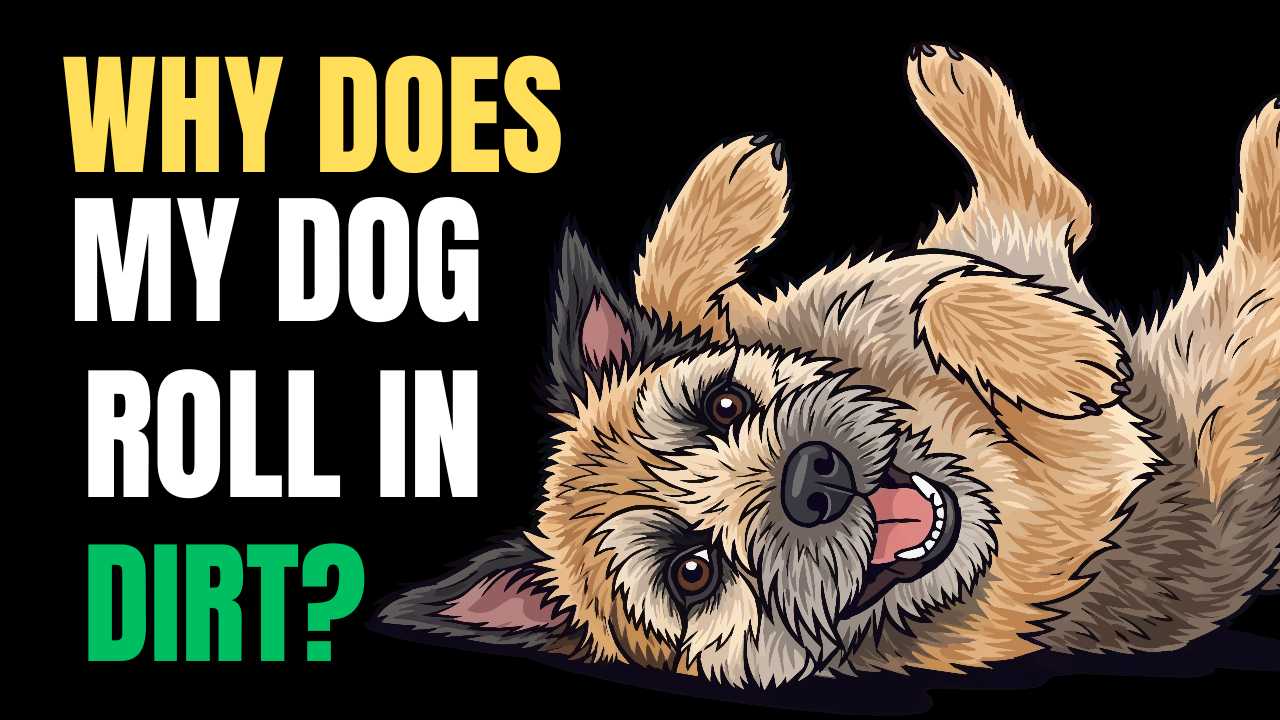
Why Does My Dog Roll in Dirt?
Why Does My Dog Roll in Dirt?
Uncovering the Mysterious Canine Behavior
There's nothing quite like the sight of your clean, freshly groomed dog gleefully throwing themselves into a pile of dirt, mud, or worse. While this behavior might be frustrating for owners, it's actually deeply rooted in canine instincts and serves several important purposes for our furry friends.
Understanding why dogs engage in this messy behavior is the first step toward managing it effectively. This comprehensive guide explores the fascinating reasons behind dirt rolling and provides practical solutions for keeping your dog cleaner.
Did You Know?
Dirt rolling is one of the oldest canine behaviors, with evidence suggesting wild canids have been doing it for thousands of years as a survival strategy.
Quick Navigation
The Natural Instinct Behind Dirt Rolling
Did You Know?
Even well-fed domestic dogs retain many of the same instincts as their wild ancestors, including the urge to roll in strong-smelling substances.
Evolutionary Roots
Dirt rolling isn't random misbehavior - it's an ancient survival strategy hardwired into your dog's DNA.
Camouflage Technique
Wild canids roll in strong-smelling materials to mask their own scent when hunting prey.
Den Protection
Rolling in local scents helps disguise the smell of their den location from predators.
Pack Communication
Bringing back interesting scents to share information with pack members about food sources.
Parasite Control
Some theories suggest rolling in certain soils may help control external parasites.
Breed-Specific Tendencies
Some breeds are more prone to rolling behavior than others due to their historical roles.
| Breed Group | Rolling Tendency |
|---|---|
| Hunting & Sporting Breeds | High - bred to track and camouflage scents |
| Herding Breeds | Moderate - some scent-related rolling behaviors |
| Northern Breeds | High - strong wild instincts and scent-driven |
| Toy & Companion Breeds | Low - less driven by hunting instincts |
| Terriers | High - bred to hunt and follow scents underground |
Important Note
Even if your dog has never hunted in their life, these ancient instincts can still drive their behavior. Understanding this can help you respond more patiently.
Most Common Rolling Triggers
Certain substances are particularly irresistible to rolling dogs.
Scent Masking: A Throwback to Their Wild Ancestors
Key Insight
For dogs, scent is like a complex language. Rolling in strong odors is their way of "speaking" through scent rather than trying to cover up smells.
The Canine Olfactory World
Dogs experience the world primarily through their noses, which explains their fascination with strong scents.
Scent Processing
Dogs have 300 million olfactory receptors compared to humans' 6 million, making scents incredibly vivid.
Scent Memory
Dogs can remember specific scents for years and associate them with past experiences.
Layered Scents
Dogs can detect multiple layers of scent in the same location, like reading a complex story.
Chemical Communication
Many odors contain chemical information that dogs can "read" about other animals.
Historical Scent Masking
In the wild, scent manipulation served crucial survival functions.
| Function | Explanation |
|---|---|
| Hunting Advantage | Masking their scent allowed wild canids to approach prey undetected |
| Predator Avoidance | Strong environmental scents helped disguise their presence from larger predators |
| Territory Blending | Rolling in local scents helped them smell like part of the environment |
| Social Bonding | Shared group scent created through rolling in the same materials |
| Information Sharing | Bringing new scents back to the pack communicated discoveries |
Expert Insight
Rather than trying to cover their scent, dogs may actually be attempting to "wear" interesting environmental scents the way humans might wear perfume or cologne.
Cooling Themselves Off: A Simple Comfort Trick
Did You Know?
Dogs have limited sweat glands (primarily in their paw pads), making them rely on other methods like panting and seeking cool surfaces to regulate body temperature.
Temperature Regulation Methods
Dogs use various strategies to cool down when they're feeling overheated.
Panting
The primary cooling method, exchanging hot air for cooler air through rapid breathing.
Vasodilation
Blood vessels expand, particularly in ears and face, to release heat from the body.
Seeking Cool Surfaces
Lying on tile, concrete, or in dirt helps conduct heat away from their body.
Shade Seeking
Moving to shaded areas and digging shallow beds in cool earth.
Why Dirt Helps With Cooling
Soil and dirt provide several temperature-regulation benefits.
| Benefit | How It Works |
|---|---|
| Thermal Conduction | Soil temperature is often cooler than air temperature, especially below surface |
| Evaporation | Damp soil provides moisture that evaporates and cools the skin |
| Insulation | In cold weather, dirt can provide insulation from freezing ground |
| Protection | A layer of dirt can protect against sun exposure and insect bites |
Temperature Tip
If your dog frequently rolls in dirt to cool down, consider providing alternative cooling options like a kiddie pool, cooling mat, or ensuring constant access to shade and fresh water.
Seasonal Rolling Patterns
Dirt rolling often increases during warmer months for temperature regulation.
Marking Territory and Communication Through Smell
Important Consideration
While we might find certain scents repulsive, for dogs they contain valuable information about other animals, food sources, and environmental changes.
Canine Scent Communication
Dogs use scent as a complex communication system with other animals.
Scent Business Cards
Rolling transfers environmental scents that act like "calling cards" for other dogs to discover.
Environmental Updates
New scents provide information about recent animal activity in the area.
Social Bonding
Shared scents within a social group strengthen bonds and create group identity.
Territorial Marking
Leaving their scent mixed with environmental scents marks their presence in an area.
What Scents Communicate
Different substances convey different types of information to other dogs.
| Substance | Potential Message |
|---|---|
| Animal Feces | Information about diet, health, and presence of other species |
| Decaying Matter | Potential food sources and recent animal activity |
| Other Dog's Urine | Social information about pack members or competitors |
| Fresh Soil | Recent digging activity or buried items of interest |
| Mud/Puddles | Water sources and recent weather conditions |
Behavioral Insight
Dogs who roll in particularly strong scents often seem proud of their discovery and may seek attention from their owners, almost as if showing off their "find."
Attention-Seeking or Playful Behavior
Key Insight
Some dogs learn that rolling in dirt gets a big reaction from their owners, which they interpret as attention and may reinforce the behavior.
Learned Behavior Patterns
Dogs are masters at figuring out what behaviors get them what they want.
Positive Reinforcement
Even negative attention can reinforce behavior if the dog is seeking interaction.
Play Initiation
Some dogs learn that getting dirty leads to bath time, which they may enjoy.
Pattern Recognition
Dogs notice that rolling often happens after grooming or bathing sessions.
Boredom Relief
Rolling can be a self-reinforcing activity that provides entertainment.
Distinguishing Attention-Seeking
Learn to recognize when rolling is intentional behavior versus instinct.
| Behavior | Likely Motivation |
|---|---|
| Rolling while maintaining eye contact | Attention-seeking, watching for your reaction |
| Rolling immediately after being scolded | Stress relief or defiance behavior |
| Rolling in clean dirt only when you're watching | Play initiation or learned behavior |
| Rolling with playful body language | Play behavior rather than scent-driven |
| Rolling consistently after baths | Attempt to restore familiar scent or discomfort with grooming products |
Training Tip
If your dog's rolling seems attention-seeking, try to redirect the behavior with a toy or command before they start rolling, and reward them for choosing alternative activities.
Skin Irritation or Allergies as Hidden Causes
Health Warning
If your dog's rolling behavior is new, excessive, or accompanied by scratching, licking, or skin changes, consult your veterinarian to rule out medical causes.
Medical Causes of Rolling
Sometimes dirt rolling indicates an underlying health issue that needs attention.
Skin Allergies
Environmental or food allergies can cause itching that dogs try to relieve by rolling.
Parasites
Fleas, mites, or other parasites can cause intense itching and discomfort.
Yeast or Bacterial Infections
Skin infections cause irritation that dogs may try to soothe through rolling.
Dry Skin
Lack of natural oils or humidity can cause flaking and itching.
When to Seek Veterinary Care
Certain symptoms alongside rolling warrant professional evaluation.
| Symptom | Potential Concern |
|---|---|
| Excessive Scratching | Allergies, parasites, or skin infections |
| Hot Spots or Redness | Bacterial infection or allergic reaction |
| Hair Loss | Parasites, fungal infection, or endocrine issues |
| Odor | Yeast or bacterial overgrowth |
| Behavior Changes | Discomfort or pain from underlying condition |
Health Tip
Regular grooming and inspection of your dog's skin can help you catch potential issues early before they lead to excessive rolling or more serious problems.
When Dirt Rolling Becomes Excessive
Did You Know?
Most dogs roll occasionally, but when it becomes a compulsive behavior, it may indicate underlying issues that need addressing.
Signs of Problematic Rolling
Learn to distinguish normal behavior from potentially problematic patterns.
Compulsive Repetition
Rolling multiple times daily or for extended periods without obvious triggers.
Interference with Normal Activities
Choosing rolling over eating, playing, or other normally enjoyable activities.
Dangerous Substances
Consistently rolling in potentially toxic materials despite alternatives.
Stress Indicators
Rolling accompanied by panting, whining, or other anxiety signs.
Evaluation Checklist
Use this checklist to determine if your dog's rolling requires intervention.
| Question | Concerning Answer |
|---|---|
| How often does rolling occur? | Multiple times daily or for prolonged periods |
| Does it interrupt other activities? | Yes, replaces eating, playing, or social interaction |
| Is the rolling difficult to interrupt? | Yes, dog seems fixated and resistant to redirection |
| Are there physical symptoms? | Skin irritation, hair loss, or signs of discomfort |
| Has behavior changed recently? | Yes, new or significantly increased rolling behavior |
Professional Help
If you check multiple concerning answers, consult with a veterinarian or veterinary behaviorist to rule out medical issues and develop a behavior modification plan.
How to Prevent or Manage This Behavior
Key Insight
Complete prevention of dirt rolling may not be possible or desirable since it's a natural behavior, but management can reduce frequency and problematic aspects.
Practical Management Strategies
These approaches can help reduce unwanted rolling while respecting your dog's instincts.
Supervision & Redirection
Watch for pre-rolling behavior and redirect with toys or commands before it starts.
Environmental Management
Keep your yard clean of tempting substances and use leashes in problematic areas.
Alternative Outlets
Provide scent work activities that satisfy the same instincts in cleaner ways.
Positive Reinforcement
Reward your dog for choosing not to roll or for responding to "leave it" commands.
Step-by-Step Prevention Plan
A systematic approach to reducing problematic rolling behavior.
| Step | Action |
|---|---|
| 1. Identify Triggers | Note what substances, locations, or situations prompt rolling |
| 2. Manage Environment | Remove tempting substances from your yard and home environment |
| 3. Train Alternative Behaviors | Teach and reinforce "leave it" and recall commands |
| 4. Provide Clean Alternatives | Offer digging pits, scent games, and other acceptable outlets |
| 5. Supervise High-Risk Times | Pay extra attention after baths, during walks, and in new environments |
| 6. Regular Grooming | Maintain coat health to reduce skin irritation that might prompt rolling |
Training Tip
Instead of punishing rolling behavior (which can increase anxiety), focus on teaching your dog what you want them to do instead and reward those behaviors heavily.
Safe Bathing and Grooming Tips After Rolling
Important Safety Note
Over-bathing can strip natural oils from your dog's skin and coat, leading to dryness, irritation, and potentially more rolling behavior to soothe the discomfort.
Effective Cleaning Strategies
Proper cleaning techniques can remove dirt and odors without damaging your dog's skin.
Dry Brushing First
Remove loose dirt and debris with a brush before wetting your dog to prevent mud paste.
Lukewarm Water
Use comfortable water temperature - not too hot or cold - to avoid skin shock.
Dog-Specific Shampoo
Human products can irritate dog skin; use pH-balanced canine formulas.
Thorough Drying
Prevent moisture-related skin issues by completely drying your dog after bathing.
Bathing Frequency Guidelines
How often to bathe your dog depends on multiple factors.
| Dog Type | Recommended Frequency |
|---|---|
| Short-haired, low-odor breeds | Every 2-3 months or when visibly dirty |
| Medium-haired breeds | Every 4-6 weeks with regular brushing between baths |
| Long-haired or double-coated breeds | Every 4-8 weeks with frequent brushing to prevent mats |
| Dogs with skin conditions | As directed by veterinarian, often with medicated shampoo |
| Active outdoor dogs | As needed when dirty, but try spot cleaning between full baths |
Grooming Tip
For quick cleanups between baths, use dog-safe wipes or a damp cloth for spot cleaning. Waterless shampoo can also help refresh your dog without a full bath.
Quick Cleanup Methods
Alternatives to full baths for minor dirt incidents.
Spot Cleaning
Use a damp cloth or pet wipes to clean only the dirty areas instead of full bathing.
Waterless Shampoo
Foam or spray products that clean without water, great for between baths.
Air Drying
Allow mud to dry completely, then brush out - often removes most dirt.
Paw Cleaning
Use a paw plunger or wipe just the feet after walks to reduce overall dirt.
Final Thoughts: Understanding, Not Punishing
Dirt rolling is a complex behavior with deep roots in canine evolution and communication. The most effective approach involves:
- Recognizing that rolling is natural canine behavior, not deliberate misbehavior
- Understanding the various motivations behind the behavior
- Providing appropriate outlets for natural instincts
- Using management strategies rather than punishment
- Monitoring for signs of excessive or problematic rolling
- Maintaining proper grooming without over-bathing
- Consulting professionals when behavior indicates potential health issues
Remember that while dirt rolling can be frustrating for owners, it's a normal part of being a dog. With patience, understanding, and appropriate management, you can reduce problematic rolling while respecting your dog's natural instincts.
Frequently Asked Questions (FAQs)
This common behavior has several potential explanations. Your dog may be trying to restore their familiar scent after bathing removed it, reacting to residual shampoo scent they find unpleasant, expressing relief that bath time is over, or simply taking advantage of being clean to get dirty again. Some behaviorists also suggest that the post-bath zoomies and rolling might be a way to release pent-up energy from the stressful bathing experience.
In most cases, occasional rolling in clean dirt is safe and natural. However, you should prevent rolling in areas that may contain hazardous substances like pesticides, fertilizers, toxic plants, or animal feces that could carry parasites. Also be cautious in unfamiliar areas where sharp objects might be hidden in the soil. If your dog has skin conditions or open wounds, consult your veterinarian about whether dirt exposure could cause issues.
Dogs often develop favorite rolling spots because these locations consistently have appealing scents. There might be something particularly interesting about the soil composition, residual animal scents, or decaying organic matter in that specific area. Some dogs also develop routines and return to the same spots out of habit. If the behavior is problematic, you might try disrupting the area by raking, watering, or temporarily blocking access to break the pattern.
Punishment is generally not recommended for dirt rolling. Since it's a natural instinctual behavior, punishment can create confusion and anxiety without addressing the underlying motivation. Instead, focus on management strategies like supervision, redirection, and providing alternative outlets. If you catch your dog about to roll, a calm interruption and redirection to a more appropriate activity is more effective than punishment after the fact.
While you may not be able to completely eliminate this instinctual behavior, you can certainly manage and reduce it through training. Teaching a solid "leave it" command, reinforcing recall, and providing acceptable alternatives can significantly decrease problematic rolling. The key is to reward your dog for choosing not to roll rather than focusing solely on stopping the behavior. Consistent training combined with environmental management typically produces the best results.
The apparent happiness after rolling makes perfect sense from a canine perspective. Your dog has just engaged in a deeply satisfying natural behavior, possibly acquired interesting new scents, and may have relieved an itch or cooled down. The endorphin release from this natural behavior creates a sense of wellbeing. Additionally, if rolling typically gets a big reaction from you (even a negative one), your dog may anticipate the attention that usually follows.
Yes, some breeds do show stronger rolling tendencies than others. Hunting breeds like Beagles, Bloodhounds, and Retrievers often have strong rolling instincts related to their scent work heritage. Northern breeds like Huskies and Malamutes also tend to be frequent rollers. Terriers, bred to follow prey underground, often enjoy dirt-related activities. Meanwhile, some companion breeds show less interest in rolling. However, individual personality plays a significant role, and any dog can develop rolling behavior.
Explore More Stories




About the Author

Andrea Arden
Author
Andrea Arden is a leading dog behavior expert, author, and media personality featured on Animal Planet, the Today Show, and more. She has written acclaimed dog training books and served on boards for major animal welfare organizations.