 Hersh Garhwal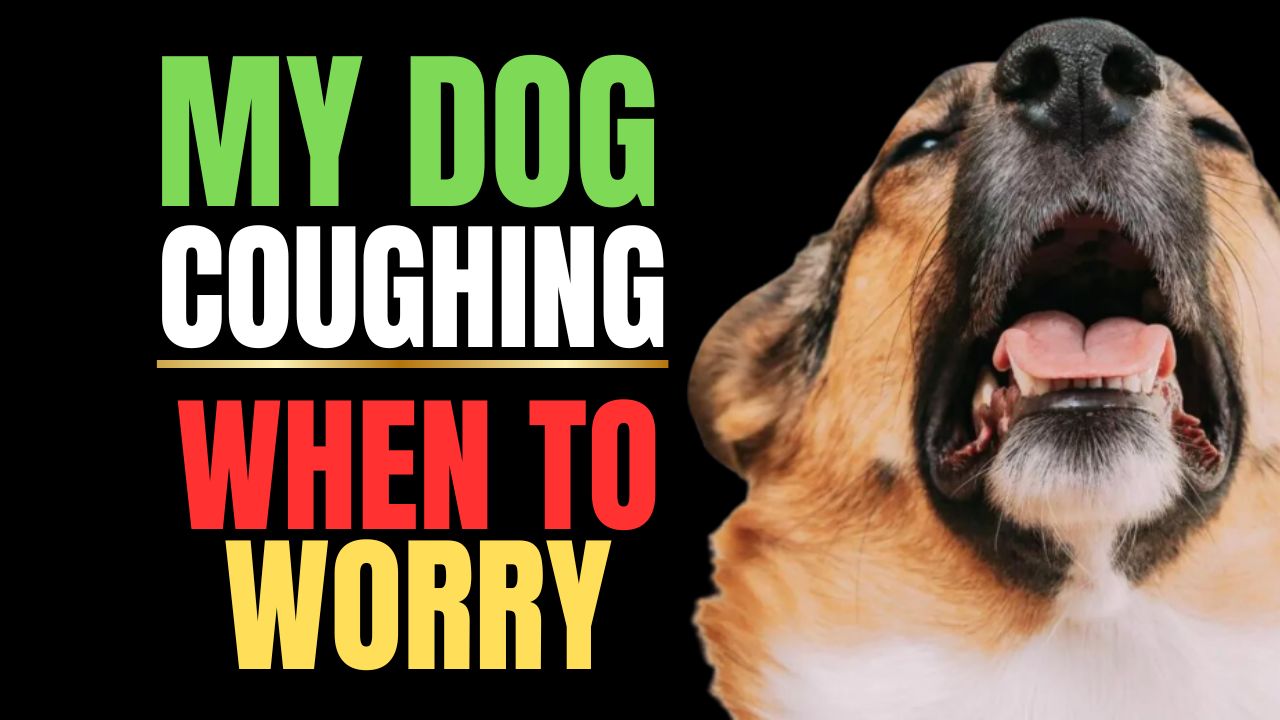
Why Is My Dog Coughing? Signs & Solutions
A coughing dog can be a worrying sight for any pet owner. While occasional coughing might be normal, persistent or severe coughing can indicate underlying health issues that require attention. Understanding the different types of coughs and their potential causes is essential for providing the right care for your canine companion.
Coughing in dogs can stem from various sources, ranging from mild irritations to serious medical conditions affecting the respiratory system, heart, or other organs. The sound, frequency, and context of the cough can provide valuable clues about its origin and severity.
This comprehensive guide will help you identify different types of canine coughs, understand their potential causes, recognize when to seek veterinary care, and learn about effective treatment and prevention strategies. With this knowledge, you'll be better equipped to protect your dog's respiratory health and overall wellbeing.
Types of Coughs in Dogs
The sound and characteristics of your dog's cough can provide important clues about its underlying cause. Here are the most common types of coughs you might encounter.
Did You Know?
Dogs have a cough reflex that serves as a protective mechanism to clear their airways of irritants, mucus, or foreign objects. This reflex involves a complex coordination between the brain, nerves, and respiratory muscles to force air out of the lungs at high speed.
Canine Cough Severity Guide
Infrequent, not affecting normal activities; may be due to minor irritations or mild allergies
Frequent hacking cough without mucus; may indicate kennel cough, bronchitis, or early heart disease
Cough bringing up mucus or phlegm; often indicates respiratory infections, pneumonia, or advanced heart disease
Labored breathing, wheezing, or coughing with distress; may indicate severe respiratory distress, choking, or heart failure
Characteristic Cough Sounds
Specific cough sounds can indicate particular conditions:
- Honking cough: Often associated with tracheal collapse, common in small breeds
- Deep, harsh cough: May indicate bronchitis or kennel cough
- Gagging cough: Could suggest something stuck in the throat or post-nasal drip
- Weak, soft cough: Sometimes seen in dogs with heart disease or weakness
- Reverse sneezing: While not technically a cough, often confused with coughing episodes
Common Causes of Coughing in Dogs
Coughing in dogs can result from various causes, ranging from environmental factors to serious medical conditions.
Infectious Causes
Bacterial & Viral
Kennel cough, canine influenza, pneumonia, or other respiratory infections. These often cause sudden onset coughing and may be accompanied by other symptoms like nasal discharge or fever.
Often contagious to other dogs
Structural Issues
Anatomical Problems
Tracheal collapse (common in small breeds), laryngeal paralysis, or elongated soft palate. These often cause characteristic cough sounds and may worsen with excitement or exercise.
Often breed-related
Cardiac Issues
Heart-Related Cough
Heart disease can cause coughing when the enlarged heart presses on airways or when fluid accumulates in the lungs. This often appears as a soft, nighttime cough that may worsen when lying down.
Common in older dogs
Other Potential Causes
- Allergies: Environmental or food allergies can cause coughing
- Foreign bodies: Grass seeds, small objects, or food stuck in airways
- Pulmonary fibrosis: Scarring of lung tissue, more common in certain breeds
- Cancer: Lung tumors or cancer affecting the respiratory system
- Heartworm disease: Parasites affecting the heart and lungs
- Environmental irritants: Smoke, dust, chemicals, or strong odors
Kennel Cough Awareness
Kennel cough (infectious tracheobronchitis) is highly contagious among dogs and spreads quickly in areas where dogs congregate, such as boarding facilities, dog parks, or grooming salons. While usually not serious in healthy dogs, it can lead to pneumonia in puppies, elderly dogs, or those with compromised immune systems. Vaccination is available and recommended for dogs with high exposure risks.
Associated Symptoms to Watch For
Coughing rarely occurs in isolation. Paying attention to accompanying symptoms can help determine the seriousness of the condition.
Respiratory Symptoms
- Difficulty breathing: Labored breathing, rapid breaths, or open-mouth breathing
- Wheezing or rattling: Noisy breathing suggesting airway obstruction or fluid
- Nasal discharge: Clear, colored, or bloody discharge from the nose
- Reverse sneezing: Rapid, noisy inhalations often confused with coughing
- Exercise intolerance: Tiring more easily than usual during activity
- Blue-tinged gums: Indicates insufficient oxygen (emergency situation)
General Health Symptoms
- Lethargy: Unusual tiredness or lack of energy
- Loss of appetite: Refusing food or eating less
- Fever: Warm ears, dry nose, shivering
- Weight loss: Unexplained decrease in body weight
- Fainting or collapse: Especially concerning with heart-related coughs
- Behavioral changes: Increased anxiety, restlessness, or hiding
Emergency Warning Signs
Seek immediate veterinary care if your dog shows any of these symptoms along with coughing: difficulty breathing, blue or pale gums, collapse or fainting, coughing up blood, extreme lethargy or weakness, or signs of severe distress. These could indicate life-threatening conditions requiring emergency intervention.
Context and Timing Clues
The circumstances surrounding the cough can provide diagnostic clues:
| Cough Context | Possible Causes |
|---|---|
| Worse at night or when resting | Heart disease, certain types of bronchitis |
| During or after exercise | Exercise-induced bronchoconstriction, laryngeal paralysis |
| After drinking or eating | Swallowing issues, laryngeal problems |
| When excited or pulling on leash | Tracheal irritation or collapse |
| Seasonal patterns | Allergies, environmental factors |
When to Worry About Your Dog's Cough
While some coughing is normal, certain signs indicate it's time to seek veterinary attention.
Immediate Veterinary Attention Required
Contact your veterinarian immediately if you notice any of these warning signs:
- Coughing that prevents sleep or normal activities
- Difficulty breathing or rapid breathing
- Coughing up blood or pink-tinged foam
- Blue, purple, or pale gums
- Weakness, collapse, or fainting
- Loss of appetite combined with coughing
- Fever along with respiratory symptoms
- Cough that persists for more than a few days
Schedule a Veterinary Visit
Make a non-emergency appointment if your dog has:
- Mild cough that persists for more than 3-5 days
- Recurrent episodes of coughing
- Cough that's changing in character or frequency
- Mild symptoms in a breed prone to respiratory issues
- Cough that began after exposure to other dogs
- Senior dog with new or changing cough
Monitoring Checklist
Keep a simple log of your dog's coughing episodes: note the sound of the cough, timing and frequency, any triggers you observe, and other symptoms. Take videos of the coughing episodes if possible, as this can be extremely helpful for your veterinarian. Record your dog's breathing rate at rest (normal is 15-30 breaths per minute) and note any changes in gum color or energy levels.
Diagnosis Process for Canine Cough
Veterinarians use a systematic approach to diagnose the cause of coughing in dogs.
Initial Examination
Your veterinarian will typically begin with:
- Complete medical history: Duration, progression, and pattern of coughing
- Physical examination: Listening to heart and lungs, checking gum color
- Respiratory assessment: Evaluating breathing effort and sounds
- Tracheal sensitivity test: Gentle pressure on trachea to check for collapse
- Weight and body condition: Assessing for weight loss or obesity
Diagnostic Tests
Depending on the initial findings, your veterinarian may recommend:
| Test Type | Purpose | What It Detects |
|---|---|---|
| X-rays (radiographs) | Internal structure imaging | Heart size, lung changes, masses, foreign bodies |
| Blood tests | Systemic health assessment | Infections, organ function, heartworm disease |
| Heartworm test | Parasite detection | Heartworm infection (a common cause of cough) |
| Tracheal wash/Bronchoscopy | Airway sampling | Infection, cancer cells, foreign material |
| Echocardiogram | Heart ultrasound | Heart structure and function, valve issues |
| CT scan | Detailed imaging | Detailed lung and airway structure, small masses |
Cardiac Evaluation Importance
For dogs with certain types of coughs (especially soft coughs that worsen at night or when resting), a thorough cardiac evaluation is crucial. Heart disease is a common cause of coughing in older dogs and certain breeds. Early detection and treatment can significantly improve quality of life and longevity. Your veterinarian may recommend seeing a veterinary cardiologist for complex heart cases.
Treatment Options for Canine Cough
Treatment depends entirely on the underlying cause of the cough.
Supportive Care
Mild Cases
For minor irritations or mild kennel cough: humidification, rest, honey for throat soothing, and environmental modifications to reduce irritants. Never use human cough medicines without veterinary guidance.
For temporary, mild symptoms
Medical Treatment
Moderate to Severe Cases
Antibiotics for bacterial infections, cough suppressants, bronchodilators, anti-inflammatory medications, or specific treatments for diagnosed conditions.
Requires veterinary diagnosis
Advanced Interventions
Serious Conditions
Surgical procedures for tracheal collapse or laryngeal paralysis, heart medications for cardiac disease, chemotherapy for cancer, or management of chronic conditions like asthma.
For complex or severe cases
Common Medications
Depending on the diagnosis, your veterinarian might prescribe:
- Antibiotics: For bacterial infections (typically 7-14 day course)
- Antitussives: Cough suppressants for non-productive coughs
- Bronchodilators: To open constricted airways
- Anti-inflammatories: To reduce airway inflammation
- Diuretics: For heart disease to reduce fluid in lungs
- Heart medications: Various drugs to manage cardiac function
Treatment Compliance
Always complete the full course of prescribed medications, even if your dog's symptoms improve before the medication is finished. Follow your veterinarian's instructions precisely regarding dosage and administration frequency. For chronic conditions, regular monitoring and medication adjustments may be necessary. Keep all follow-up appointments to ensure the treatment is effective and to catch any potential complications early.
Home Care & Comfort Measures
Proper home care can help manage coughing episodes and support veterinary treatment.
Comfort and Environmental Management
- Humidification: Use a humidifier to moisten dry air, especially in winter
- Avoid irritants: Keep your dog away from smoke, strong chemicals, and dust
- Use a harness: Instead of a collar to reduce pressure on the trachea
- Maintain healthy weight: Excess weight puts pressure on the respiratory system
- Provide rest: Limit exercise during coughing episodes
- Elevated feeding: Raise food and water bowls for dogs with certain conditions
What to Avoid
- Human medications: Never give human cough or cold medicines
- Excessive exercise: During active coughing episodes
- Smoke exposure: Keep your dog away from cigarette smoke
- Extreme temperatures: Very cold or very hot, humid air
- Stressful situations: Excitement can trigger coughing in some dogs
Honey for Cough Relief
For dogs with mild, non-productive coughs (and without diabetes), a small amount of raw, local honey can help soothe throat irritation. Give ½ to 1 teaspoon (depending on dog size) 2-3 times daily. Honey has natural antibacterial properties and can coat and soothe the throat. Always consult your veterinarian before trying any home remedies, especially if your dog has other health conditions.
Prevention Strategies
While not all causes of coughing can be prevented, these strategies can reduce the risk.
Vaccinations
Disease Prevention
Keep vaccinations current, including kennel cough vaccine for dogs with high exposure risks. Follow your veterinarian's recommended vaccination schedule based on your dog's lifestyle.
Essential for preventable diseases
Environmental Management
Reduce Irritants
Keep your home free of smoke and strong chemical odors, use air purifiers, avoid walking during high pollen times if your dog has allergies, and maintain good indoor air quality.
Create a respiratory-friendly environment
Healthy Lifestyle
Overall Wellness
Maintain healthy weight, provide regular appropriate exercise, use harness instead of collar, and schedule regular veterinary check-ups to catch issues early.
Support overall respiratory health
Breed-Specific Prevention
Some breeds benefit from additional preventive measures:
- Small breeds prone to tracheal collapse: Always use harnesses, avoid obesity
- Brachycephalic breeds: Avoid overheating, use harnesses, maintain healthy weight
- Large breeds prone to heart disease: Regular cardiac screenings as they age
- Working breeds: Appropriate conditioning and rest during intense activity
- Dogs with known respiratory issues: Consistent management and monitoring
Heartworm Prevention
Heartworm disease is a preventable but serious condition that can cause coughing and other respiratory symptoms. Administer heartworm prevention medication year-round as recommended by your veterinarian. This simple monthly treatment can prevent a disease that is expensive to treat and potentially fatal. Annual heartworm testing is also important to ensure the prevention is working effectively.
Breed-Specific Respiratory Issues
Certain dog breeds have genetic predispositions to specific respiratory conditions that can cause coughing.
Common Breed-Related Conditions
| Breed/Type | Common Respiratory Issues | Special Considerations |
|---|---|---|
| Small Toy Breeds | Tracheal collapse, reverse sneezing | Yorkshire Terriers, Pomeranians, Chihuahuas particularly affected |
| Brachycephalic Breeds | Brachycephalic syndrome, elongated soft palate | Bulldogs, Pugs, Boston Terriers need careful monitoring |
| Large & Giant Breeds | Dilated cardiomyopathy, laryngeal paralysis | Great Danes, Dobermans, Irish Wolfhounds at higher risk |
| Terrier Breeds | Chronic bronchitis, allergic lung disease | West Highland White Terriers prone to pulmonary fibrosis |
| Sporting Breeds | Exercise-induced issues, foreign body aspiration | Higher activity levels increase certain risks |
| Senior Dogs of All Breeds | Heart disease, chronic bronchitis, cancer | Increased monitoring recommended as dogs age |
Special Considerations for High-Risk Breeds
Owners of breeds with respiratory predispositions should:
- Be extra vigilant: Recognize early signs of respiratory distress
- Use appropriate equipment: Harnesses instead of collars
- Manage weight carefully: Even slight overweight can worsen breathing
- Avoid extreme temperatures: Both heat and cold can stress respiratory system
- Schedule regular check-ups: More frequent veterinary monitoring
- Consider pet insurance: Respiratory conditions often require specialized care
Brachycephalic Breed Awareness
Flat-faced breeds have unique respiratory challenges due to their anatomy. They're more susceptible to heat stroke, exercise intolerance, and breathing difficulties. Never exercise these dogs in hot weather, watch for signs of respiratory distress (noisy breathing, blue gums), and consider surgical correction of severe anatomical issues if recommended by your veterinarian. These breeds require special consideration throughout their lives.
Conclusion: Protecting Your Dog's Respiratory Health
A coughing dog can signal anything from a minor irritation to a serious health condition. While occasional coughing might be normal, persistent, severe, or changing cough patterns warrant veterinary attention.
By understanding the different types of coughs, recognizing accompanying symptoms, and knowing when to seek professional help, you can ensure your dog receives appropriate care in a timely manner. Early intervention often leads to better outcomes, especially for conditions like heart disease, infections, or structural issues.
Remember that you know your dog best. If you're concerned about their respiratory health, don't hesitate to contact your veterinarian. With proper diagnosis, treatment, and preventive care, most causes of coughing can be successfully managed, helping your canine companion breathe comfortably and enjoy an active, healthy life.
Frequently Asked Questions
You should be concerned and contact your veterinarian if the cough is persistent (lasting more than a few days), severe, productive (bringing up mucus or phlegm), accompanied by difficulty breathing, loss of appetite, lethargy, or other symptoms. Also seek immediate care if your dog has blue or pale gums, is coughing up blood, seems in distress, or has fainted. Any cough in a puppy, elderly dog, or dog with pre-existing health conditions should be evaluated promptly.
No, you should never give your dog human cough or cold medications without veterinary guidance. Many human medications contain ingredients that are toxic to dogs, and the dosages are completely different. Some human cough suppressants can cause serious side effects in dogs, including sedation, increased heart rate, or even toxicity. Always use medications specifically prescribed by your veterinarian for your dog's specific condition.
Kennel cough (infectious tracheobronchitis) is a highly contagious respiratory infection in dogs, typically causing a persistent, harsh, dry cough. It's often caused by a combination of viruses and bacteria. Treatment depends on severity but may include rest, cough suppressants, and sometimes antibiotics if a bacterial component is suspected. Most healthy dogs recover within 1-3 weeks. Vaccination is available and recommended for dogs with high exposure to other dogs. Isolate affected dogs to prevent spread to other pets.
Nighttime coughing can have several causes. In heart disease, lying down can allow fluid to accumulate in the lungs, causing coughing. For dogs with tracheal collapse, certain sleeping positions may put pressure on the airway. Post-nasal drip from allergies or infections may also worsen when lying down. Environmental factors like dry air or allergens in the bedroom could contribute. If your dog's cough is consistently worse at night, this information is important to share with your veterinarian for proper diagnosis.
Coughing involves forceful expulsion of air from the lungs, typically sounding like a harsh, hacking noise. Reverse sneezing is a rapid, noisy inhalation that sounds like snorting or gagging. While coughing usually indicates lower respiratory issues, reverse sneezing is typically caused by irritation in the nasal passages or soft palate. Reverse sneezing episodes are usually brief and resolve on their own, while coughing may be more persistent. If you're unsure, take a video to show your veterinarian.
Yes, heart disease is a common cause of coughing in dogs, especially in older animals and certain breeds. An enlarged heart can press on the airways, causing irritation. Heart failure can lead to fluid accumulation in or around the lungs (pulmonary edema or pleural effusion), which triggers coughing. Heart-related coughs are often soft, may worsen at night or when resting, and might be accompanied by decreased exercise tolerance, breathing difficulties, or fainting. Any suspicion of heart-related cough warrants prompt veterinary evaluation.
Yes, certain breeds have genetic predispositions to respiratory issues. Small toy breeds like Yorkshire Terriers and Chihuahuas are prone to tracheal collapse. Flat-faced (brachycephalic) breeds like Bulldogs and Pugs have anatomical challenges that can cause breathing issues and coughing. Large breeds like Dobermans and Great Danes are more susceptible to heart disease that can cause coughing. Terrier breeds may be prone to chronic bronchitis. Knowing your dog's breed risks can help you be proactive about respiratory health.
In the Spotlight


About the Author

Hersh Garhwal
Author
Dr. Hersh Garhwal, DVM, is a seasoned veterinarian at UrbanVet with over 20 years of experience. He blends modern veterinary care with natural wellness approaches to ensure pets live healthier, happier lives.


