Why Is My Dog Suddenly Aggressive? Training, Care & Vet Tips
 Andrea Arden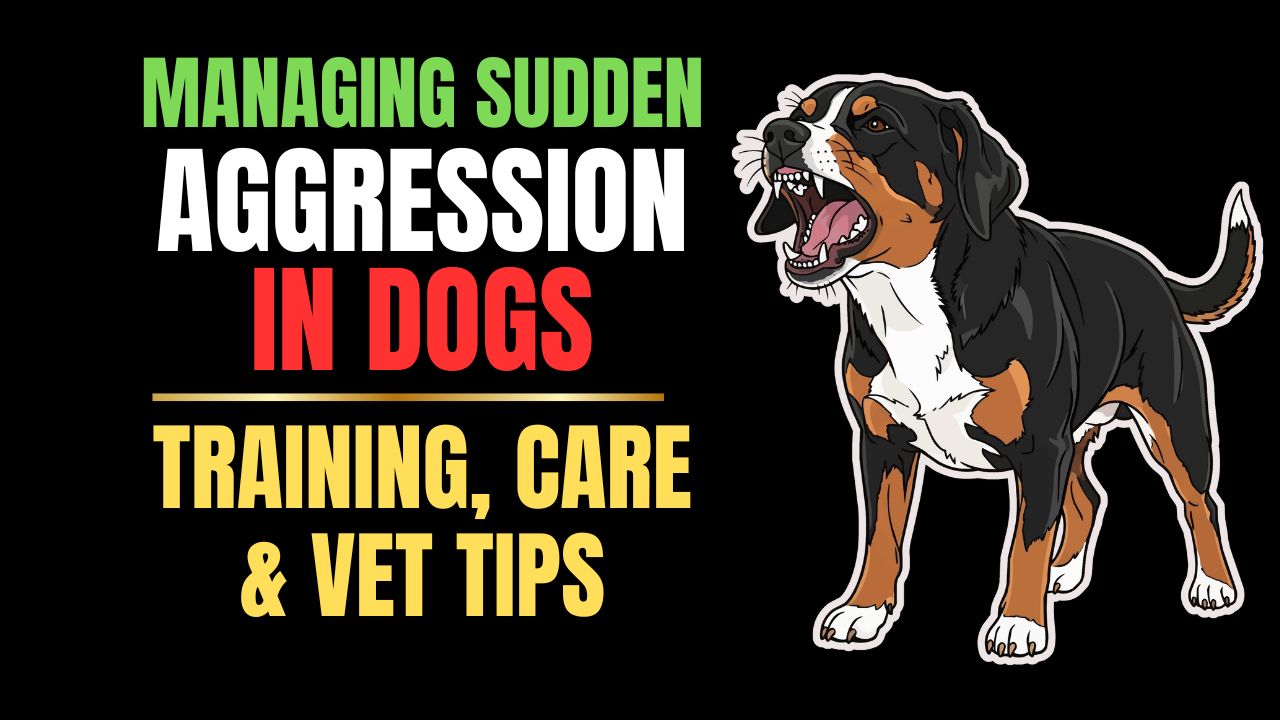
Managing Sudden Aggression in Dogs: Training, Care & Vet Tips
Sudden aggression in a previously friendly dog can be alarming and confusing for pet owners. This unexpected behavioral change often signals an underlying issue that requires immediate attention and understanding. Aggression is a complex behavior with multiple potential causes ranging from medical conditions to environmental stressors.
Unlike consistent aggressive tendencies, sudden-onset aggression represents a significant change in your dog's normal behavior pattern. This shift demands careful investigation to identify the root cause and implement appropriate interventions. Understanding the difference between fear-based, territorial, pain-related, and other forms of aggression is crucial for effective management.
This comprehensive guide covers everything you need to know about sudden aggression in dogs, from identifying potential medical causes to implementing behavior modification techniques and knowing when to seek professional help. You'll learn about warning signs, safety measures, training approaches, and the veterinary perspective on this challenging behavior.
Understanding Sudden Aggression in Dogs
Aggression is a natural canine behavior that serves specific purposes in the wild, including self-defense, resource protection, and establishing social hierarchy. However, when aggression appears suddenly in a domesticated dog, it typically indicates an underlying problem that needs addressing. Understanding the different types of aggression helps in identifying the appropriate response strategy.
The Canine Communication System
Dogs communicate primarily through body language, and aggression is often a last resort after other communication attempts have failed. Before biting, most dogs display a sequence of warning signals including tense body posture, whale eye (showing the whites of the eyes), lip licking, yawning, growling, and showing teeth. Understanding this escalation ladder is crucial for preventing bites and addressing aggression in its early stages. Sudden aggression may occur when a dog is in pain or feels extremely threatened, bypassing these normal warning signals. Recognizing subtle body language cues can help owners intervene before situations escalate to dangerous levels.
Why Sudden Aggression Requires Immediate Attention
Sudden behavioral changes, especially aggression, should never be ignored or dismissed as a "bad mood." This change often indicates an underlying medical issue, significant stress, or a traumatic experience. Immediate veterinary evaluation is crucial to rule out pain or illness, while behavioral assessment helps identify environmental triggers. Delaying intervention can allow the behavior to become more established and difficult to modify.
| Aggression Type | Common Triggers | Typical Warning Signs |
|---|---|---|
| Fear-Based | Unfamiliar people, animals, or situations | Cowering, trembling, attempts to escape |
| Pain-Related | Handling, movement, or pressure on painful areas | Sudden snapping without warning, guarding body parts |
| Territorial | Intruders in home/yard space | Barking, lunging at boundaries |
| Resource Guarding | Approach when eating or with valued objects | Stiffening, growling over items |
Common Causes of Sudden Aggression
Sudden aggression can stem from various sources, often categorized into medical, behavioral, and environmental causes. Identifying the specific trigger is essential for developing an effective treatment plan.
Medical Causes
Pain & Illness
Arthritis, dental disease, injuries, infections, neurological disorders, hormonal imbalances, vision or hearing loss, and age-related cognitive decline can cause pain or discomfort that manifests as aggression.
Always rule out medical causes first
Behavioral Causes
Psychological Factors
Fear, anxiety, past trauma, lack of socialization, frustration, conflict aggression, and learned behaviors can trigger aggressive responses in specific situations.
Requires behavior modification
Environmental Causes
External Stressors
Changes in household, new pets or people, moving, schedule disruptions, lack of routine, overcrowding, or insufficient mental/physical stimulation can trigger aggression.
Environmental management is key
Aggression Causes by Frequency
Veterinary Behavioral Perspective
According to veterinary behaviorists, the first step in addressing sudden aggression is a comprehensive medical workup. Pain is one of the most common causes of new-onset aggression, particularly in older dogs. Conditions like arthritis, dental disease, ear infections, and abdominal pain can cause a previously gentle dog to snap or bite. Neurological conditions including cognitive dysfunction syndrome (canine dementia), brain tumors, or seizures can also manifest as aggression. Hormonal imbalances such as thyroid dysfunction can significantly impact behavior. Only after medical causes have been ruled out should the focus shift primarily to behavioral and environmental factors. This medical-first approach prevents misdiagnosis and ensures appropriate treatment.
Recognizing Warning Signs
Dogs typically display subtle warning signals before escalating to overt aggression. Recognizing these early signs can prevent dangerous situations and allow for timely intervention.
Canine Body Language Cues
Understanding dog body language is essential for identifying aggression in its early stages. These signals exist on a continuum from mild discomfort to imminent bite risk.
| Warning Level | Body Signals | Appropriate Response |
|---|---|---|
| Mild Stress | Lip licking, yawning, turning away | Remove stressor, give space |
| Moderate Anxiety | Whale eye, tense body, low growl | Create distance, avoid direct eye contact |
| High Alert | Stiff posture, raised hackles, bark | Remove yourself from situation |
| Imminent Bite | Snarling, lunging, snapping | Back away slowly, do not run |
The Aggression Escalation Ladder
Canine aggression typically follows a predictable escalation pattern, though this can vary by individual and situation. The process usually begins with avoidance behaviors (turning away, hiding), progresses to appeasement signals (lip licking, yawning), then advances to warning signs (growling, showing teeth), and finally culminates in aggressive acts (snapping, biting). Some dogs, particularly those who have been punished for growling or those in extreme pain, may skip the warning stages and proceed directly to biting - a dangerous situation known as "inhibited warning system." Understanding where your dog is on this escalation ladder helps you intervene appropriately and safely. Never punish warning behaviors like growling, as this removes important safety signals and may result in more dangerous bites without warning.
Situational Risk Assessment
- Approach while eating or chewing
- Handling sensitive body areas
- Unexpected awakening
- Veterinary visits or grooming
- Introduction to new people or animals
- Protection of sleeping areas
- Movement restrictions (leash, crate)
- High-value resource possession
Safety Measures & Management
Implementing safety protocols is essential when dealing with an aggressive dog. These measures protect family members, visitors, and the dog itself while behavior modification is underway.
Household Safety
Prevention Strategies
Use baby gates, crates, and separate rooms to manage interactions. Implement muzzle training for high-risk situations. Establish clear household rules and consistent routines.
Management prevents incidents
Warning Systems
Visual Cues
Use visual markers like yellow ribbons on collars or leashes to signal that a dog needs space. Post warning signs on property entrances. Educate family and visitors about safety protocols.
Clear communication prevents accidents
Emergency Planning
Bite Prevention & Response
Learn proper breaking techniques. Have a first aid kit accessible. Know emergency veterinary contacts. Develop a plan for separating fighting animals safely.
Preparation reduces panic
Safety Protocol Checklist
| Safety Measure | Implementation | Effectiveness |
|---|---|---|
| Muzzle Training | Positive association building | High - prevents bites during triggers |
| Environmental Management | Gates, separate spaces, tethers | High - controls access and interactions |
| Visual Warning Systems | Yellow ribbon, signage | Medium - depends on observer compliance |
| Supervision Protocols | Direct observation during interactions | High - allows immediate intervention |
The Muzzle Training Process
Muzzles are essential safety tools for dogs with aggression issues, but they must be introduced properly to avoid creating additional stress. The basket-style muzzle is recommended as it allows panting, drinking, and treat-taking. Begin muzzle training by creating positive associations - place high-value treats near the muzzle, then progress to touching the nose to the muzzle, followed by brief wearing with continuous treats. Gradually increase duration while maintaining positive experiences. Never use the muzzle as punishment or leave a muzzled dog unsupervised. A properly conditioned dog will voluntarily place its nose in the muzzle, transforming it from a restraint to a predictor of good things. This process may take days or weeks but is essential for safe management during behavior modification.
Veterinary Approach to Aggression
A comprehensive veterinary evaluation is crucial when addressing sudden aggression. Medical issues often underlie behavioral changes, and accurate diagnosis guides appropriate treatment.
Diagnostic Process
The veterinary workup for aggression includes a thorough physical examination, neurological assessment, and diagnostic tests to identify underlying medical conditions that could cause pain or discomfort.
| Diagnostic Component | Purpose | What It May Reveal |
|---|---|---|
| Physical Exam | Identify pain sources | Arthritis, dental disease, injuries |
| Blood Work | Systemic health assessment | Thyroid issues, organ dysfunction |
| Neurological Exam | Brain function evaluation | Cognitive decline, neurological disorders |
| Imaging | Internal structure visualization | Tumors, spinal issues, joint disease |
The Pain-Aggression Connection
Pain is one of the most common medical causes of aggression, particularly when the aggression is sudden in onset or situation-specific. Dogs in pain may aggress when approached, touched in specific areas, or asked to perform movements that cause discomfort. Common pain sources include dental disease (often overlooked until advanced), osteoarthritis (especially in older dogs), ear infections, urinary tract issues, and gastrointestinal problems. Some dogs show remarkably subtle signs of pain until it becomes severe enough to trigger aggressive responses. A thorough veterinary examination should include careful palpation of all body areas, joint manipulation, oral examination, and consideration of breed-specific predispositions to painful conditions. Pain management, when appropriate, can dramatically reduce or eliminate aggression in many cases.
Pharmaceutical Interventions
In some cases, medication may be appropriate as part of a comprehensive treatment plan for aggression. These should always be prescribed and monitored by a veterinarian.
- Anti-anxiety medications for fear-based aggression
- Pain management for aggression with medical causes
- Hormone replacement for endocrine-related aggression
- Neuroprotective agents for cognitive dysfunction
- Adjunct medications to support behavior modification
Training & Behavior Modification
Behavior modification techniques, when implemented correctly and consistently, can significantly reduce aggressive responses and help dogs develop more appropriate coping strategies.
Core Behavior Modification Techniques
Modern dog training emphasizes positive reinforcement and force-free methods that build trust and change emotional responses to triggers.
Desensitization
Process: Gradual exposure to triggers at low intensity
Application: Systematically introducing feared stimuli
Effectiveness: High for fear-based aggression
Key Factor: Maintaining sub-threshold exposure
Counter-Conditioning
Process: Changing emotional response to triggers
Application: Pairing triggers with positive experiences
Effectiveness: High for various aggression types
Key Factor: Timing of positive reinforcement
Behavioral Adjustment
Process: Teaching alternative behaviors
Application: Training incompatible responses to triggers
Effectiveness: Medium to high with consistency
Key Factor: Reliability of alternative behavior
What Not to Do with an Aggressive Dog
Certain approaches can worsen aggression or create additional behavioral problems. Avoid punishment-based techniques including alpha rolls, shock collars, choke chains, or physical corrections as these can increase fear and anxiety, potentially leading to more severe aggression. Do not punish warning behaviors like growling - this removes important communication and may result in bites without warning. Avoid forcing interactions with triggers or putting the dog in situations where it feels compelled to aggress. Do not use dominance theory-based approaches, as these have been debunked by modern behavioral science and can damage the human-animal bond. Instead, focus on positive reinforcement, management, and addressing underlying emotional states. When in doubt, consult with a qualified professional who uses force-free, science-based methods.
Working with Professionals
For serious aggression cases, professional guidance is essential. Different types of professionals offer various expertise levels.
| Professional Type | Qualifications | When to Consult |
|---|---|---|
| Veterinary Behaviorist | DVM with behavior specialty | Complex cases, medication needs |
| Certified Behavior Consultant | Advanced behavior certification | Significant aggression issues |
| Professional Dog Trainer | Training certification | Basic obedience, mild issues |
Prevention Strategies
Preventing aggression is far easier than treating established behavior problems. Proactive measures throughout a dog's life can significantly reduce aggression risk.
Early Socialization & Development
Proper socialization during critical developmental periods lays the foundation for a well-adjusted adult dog. This involves controlled, positive exposure to various people, animals, environments, and experiences.
Environmental Management
Creating a predictable, low-stress environment with clear boundaries and consistent routines helps prevent anxiety that can lead to aggression. This includes providing safe spaces, appropriate mental and physical stimulation, and avoiding overwhelming situations.
Relationship Building
Developing a strong bond based on trust, clear communication, and positive interactions creates a foundation for handling challenges without resorting to aggression. This includes appropriate play, training, and quality time together.
The Role of Genetics in Aggression
While environment and training play significant roles in behavior development, genetics also contribute to aggression tendencies. Certain breeds were historically selected for protective or territorial behaviors, which can manifest as aggression without proper guidance. Additionally, individual genetic predispositions to anxiety, fearfulness, or impulsivity can increase aggression risk. Responsible breeding practices that select for stable temperaments, along with proper early socialization, can mitigate these genetic influences. Understanding a dog's genetic background helps set appropriate expectations and implement preventive strategies. However, genetics are not destiny - with proper management and training, most dogs with genetic predispositions can learn appropriate behaviors and coping mechanisms.
Prevention Checklist
- Proper socialization during puppyhood (3-16 weeks)
- Positive reinforcement training methods
- Regular veterinary care to address health issues early
- Appropriate mental and physical stimulation
- Clear household rules and consistent enforcement
- Respect for canine body language and boundaries
- Early intervention for minor behavior issues
- Building trust through positive experiences
Frequently Asked Questions
Sudden aggression in a previously friendly dog typically indicates an underlying issue that needs investigation. The most common causes include pain or medical problems (arthritis, dental disease, infections), fear or anxiety triggered by a specific event, cognitive decline in older dogs, or a negative experience that changed the dog's perception of certain situations. Less commonly, neurological conditions, hormonal imbalances, or adverse reactions to medications can cause behavioral changes. The first step should always be a thorough veterinary examination to rule out medical causes. If medical issues are ruled out, a behavioral assessment can help identify environmental or psychological triggers. The suddenness of the change is particularly concerning and warrants prompt attention to identify and address the underlying cause.
No, punishment is generally counterproductive for addressing aggression and can often make the problem worse. Punishing aggressive behavior, especially warning signs like growling, can suppress these important communication signals without addressing the underlying cause. This may result in a dog that bites without warning. Additionally, punishment can increase fear and anxiety, potentially worsening aggression. Instead of punishment, focus on management to prevent aggressive incidents, identify and address underlying causes (including medical issues), and use positive reinforcement to teach alternative behaviors. If your dog displays aggression, consult with a veterinarian and qualified behavior professional to develop an appropriate, force-free treatment plan tailored to your specific situation.
The potential for resolving aggression depends on several factors including the underlying cause, the dog's history, consistency of management and training, and owner commitment. Some types of aggression, particularly those with medical causes, may resolve completely with appropriate treatment. Fear-based aggression often improves significantly with systematic desensitization and counter-conditioning. However, management typically remains an important component even in successfully treated cases. While complete "cures" are less common, most dogs can show significant improvement with appropriate intervention. The goal is typically management and reduction of aggressive responses rather than complete elimination. In some severe cases, particularly those with strong genetic components or long histories, management may be the primary approach. A qualified professional can provide a realistic prognosis based on your dog's specific situation.
Euthanasia for aggression is considered when there is significant bite risk that cannot be safely managed, when quality of life is poor for the dog or family, or when treatment has been unsuccessful despite appropriate efforts. Specific factors to consider include the severity of bites (especially toward vulnerable individuals), predictability of aggression, effectiveness of management strategies, and whether the home environment can safely accommodate the dog's needs. This difficult decision should be made in consultation with your veterinarian and a qualified behavior professional who can provide an objective assessment. Euthanasia may be the most responsible choice when there is unacceptable risk to human safety, when the dog's stress levels cannot be adequately reduced, or when the household cannot provide necessary management long-term. These decisions are intensely personal and should balance compassion for the dog with realistic safety considerations.
Breaking up a dog fight requires caution to avoid redirect aggression toward you. Never reach between fighting dogs with your hands. Effective methods include creating a loud distraction (air horn, loud noise), using a barrier to separate them (board, piece of furniture), spraying water (from a hose if available), or using the "wheelbarrow method" where two people simultaneously grab the back legs of each dog and pull them apart while moving in a circle. If alone, you can try throwing a blanket over the dogs or using a slip lead to loop around one dog's hindquarters and pull. After separation, keep the dogs completely separated until everyone has calmed down, then check for injuries. Always prioritize your safety - dog bites during fights can be severe. Prevention through proper management is always preferable to breaking up fights.
The effect of neutering on aggression depends on the type of aggression and the individual dog. Neutering can reduce roaming and some forms of inter-male aggression, but it has limited effect on other types of aggression like fear-based or territorial aggression. In some cases, particularly when done after sexual maturity, neutering may not resolve existing aggression problems. For some dogs, particularly those with fear-based aggression, the loss of sex hormones might even increase anxiety-related behaviors. The decision to neuter should be based on multiple factors including health considerations, not solely for behavior modification. If you're considering neutering specifically to address aggression, discuss the potential benefits and limitations with your veterinarian, who can provide guidance based on your dog's age, breed, and the specific type of aggression displayed.
The timeline for behavior modification varies significantly based on the dog, the type and severity of aggression, consistency of training, and the underlying cause. Simple cases with clear triggers might show improvement in weeks, while complex cases with deep-seated fear or multiple triggers may require months or years of management and training. Generally, you might see initial progress within 4-8 weeks of consistent implementation of a behavior modification plan, but long-term management is typically necessary. Setbacks are common, and progress is often non-linear. The most significant factor in success is consistency - irregular training or management lapses can undermine progress. Working with a qualified professional can help set realistic expectations and adjust the training plan as needed. Remember that behavior modification aims to manage and reduce aggression rather than achieve perfection.
Free Printable "Aggression Emergency Guide"
This quick-reference guide helps you recognize aggression warning signs and respond appropriately. Print and keep it accessible for emergencies.
How to Use This Guide
This emergency guide provides a step-by-step approach to recognizing and responding to aggression in your dog. It includes the critical warning signs that indicate when professional help is needed immediately. Keep it in your pet first aid kit or on your refrigerator for quick reference during challenging situations.
Aggression Response Chart
| Warning Level | Signs to Look For | Recommended Action |
|---|---|---|
| Mild Stress | Lip licking, yawning, turning away | Remove stressor, give space, monitor |
| Moderate Anxiety | Whale eye, tense body, low growl | Create distance, avoid confrontation |
| High Alert | Stiff posture, raised hackles, barking | Remove yourself from situation safely |
| Imminent Bite Risk | Snarling, lunging, snapping | Back away slowly, do not run or scream |
Emergency Preparedness Checklist
- Know contact information for emergency veterinary services
- Have a properly fitted basket muzzle accessible
- Establish safe separation areas in your home
- Keep a pet first aid kit readily available
- Maintain contact information for qualified behavior professionals
- Have recent photos of your dog available
- Keep a record of vaccination status accessible
- Establish a network of support for emergency situations
Conclusion: Navigating Canine Aggression
Sudden aggression in a dog can be frightening and confusing, but understanding the potential causes and appropriate responses is the first step toward resolution. This complex behavior typically signals an underlying issue that requires attention, whether medical, environmental, or behavioral in nature.
The most effective approach begins with a comprehensive veterinary examination to rule out pain or illness as contributing factors. From there, a systematic assessment of triggers, combined with appropriate management strategies and behavior modification techniques, can help reduce aggressive responses and improve quality of life for both dog and family.
Safety must always be the priority when dealing with aggression. Proper management through environmental controls, muzzle training when necessary, and understanding canine body language can prevent dangerous situations while working toward long-term solutions.
While complete resolution may not always be possible, most dogs with aggression issues can show significant improvement with appropriate intervention. The journey requires patience, consistency, and often professional guidance, but the reward of a safer, happier relationship with your canine companion is worth the effort.
Remember that aggression is a behavior, not a personality trait, and with understanding, compassion, and appropriate intervention, many dogs can learn new ways to cope with their triggers and fears.
In the Spotlight







About the Author

Andrea Arden
Author
Andrea Arden is a leading dog behavior expert, author, and media personality featured on Animal Planet, the Today Show, and more. She has written acclaimed dog training books and served on boards for major animal welfare organizations.