Yorkshire Terrier | The Ultimate Breed Guide
 Dawn Lowery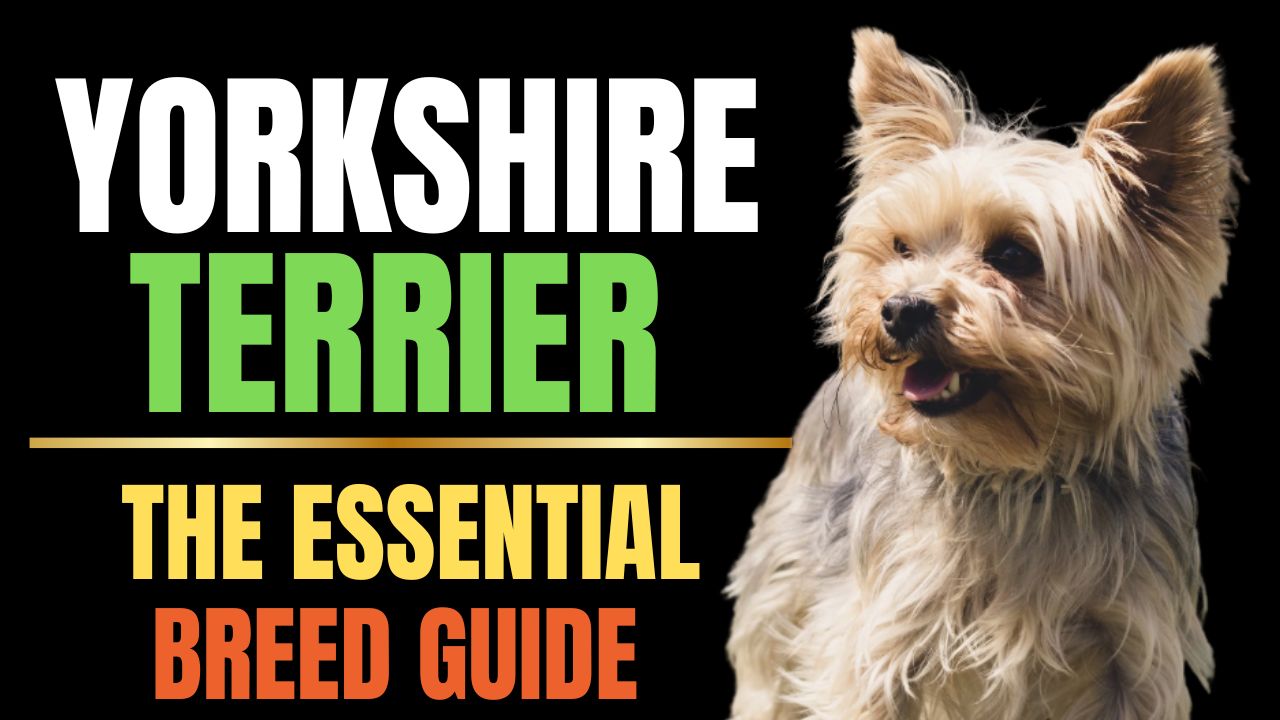
Yorkshire Terrier
The Yorkshire Terrier, affectionately known as the Yorkie, is a small but mighty companion dog with a confident personality that belies its tiny stature. These elegant dogs are known for their beautiful, silky coats and spirited terrier nature that has made them one of the most popular toy breeds worldwide.
Originally bred in 19th-century England to catch rats in textile mills, Yorkshire Terriers have transformed from working-class heroes to beloved companions of royalty and celebrities. They combine elegance with a feisty, determined nature, making them both charming lap dogs and surprisingly capable watchdogs. Their name reflects their origins in the Yorkshire county of England.
In this comprehensive guide, we'll explore everything you need to know about the Yorkshire Terrier breed—from their fascinating history and distinctive characteristics to their specific care requirements and health considerations. Whether you're considering adding a Yorkie to your family or simply want to learn more about this beloved breed, this guide will provide valuable insights into these delightful companion dogs.
History & Origin
The Yorkshire Terrier has a fascinating history that traces back to the mid-19th century in the industrial counties of Yorkshire and Lancashire in England. They were originally developed by working-class weavers and factory workers who needed small but effective ratters to control vermin in textile mills and coal mines.
Working-Class Origins
Yorkshire Terriers were created by crossing various terrier breeds brought to northern England by Scottish weavers migrating during the Industrial Revolution. The Waterside Terrier, Clydesdale Terrier, Paisley Terrier, and possibly the Maltese all contributed to the development of the modern Yorkie. Initially known as the "Broken-Haired Scotch Terrier" or "Toy Terrier," the breed was renamed Yorkshire Terrier in 1870, reflecting its development in the county of Yorkshire.
Breed Development
The modern Yorkshire Terrier was refined and miniaturized during the Victorian era, when they transitioned from working-class ratters to fashionable companions for wealthy women. The most influential early Yorkie was Huddersfield Ben, born in 1865, who is considered the foundation sire of the modern breed. The American Kennel Club recognized the Yorkshire Terrier in 1885, and the breed's popularity has continued to grow ever since.
| Timeline | Development | Significance |
|---|---|---|
| Mid-19th Century | Developed in Northern England | Crossing of Scottish terriers for ratting in mills and mines |
| 1865 | Huddersfield Ben Born | Foundation sire of modern Yorkshire Terrier breed |
| 1870 | Breed Renamed | Officially named Yorkshire Terrier, reflecting development region |
| 1885 | AKC Recognition | Official entry into AKC Toy Group |
Breed Characteristics
Yorkshire Terriers possess a distinctive set of physical and behavioral traits that make them beloved companions despite their small size.
Confident Nature
Very High
Yorkshire Terriers are known for their confident, bold disposition. They carry themselves with an air of importance that belies their small size and are often unaware of their tiny stature.
Big personality in a small package
Affection Level
High
Yorkies are extremely affectionate dogs that form strong bonds with their families. They enjoy being close to their owners and make devoted companions.
Loyal and devoted companions
Energy Level
High
Despite their small size, Yorkshire Terriers have plenty of energy and enjoy regular play and activity. They maintain their playful terrier spirit throughout their lives.
Energetic and playful
Breed Characteristic Ratings
Breed Expert Perspective
According to breed specialists, Yorkshire Terriers are true terriers in a small package. Their confident nature and intelligence make them excellent watchdogs despite their size, while their affectionate side makes them wonderful companions. Unlike some toy breeds that can be nervous or fragile, Yorkies typically have bold, stable temperaments. Their hypoallergenic qualities make them popular with allergy sufferers, though their grooming requirements are significant. The breed's moderate exercise needs and small size make them suitable for various living situations, but their terrier heritage means they require mental stimulation and consistent training.
Appearance
The Yorkshire Terrier is a small, compact dog with a fine, silky coat that parts down the middle of the back, dark eyes, and a confident carriage.
Size and Proportion
| Measurement | Range | Breed Standard |
|---|---|---|
| Height | 7-8 inches | Measured at the shoulder |
| Weight | 4-7 pounds | Fine-boned but well-proportioned |
| Body Proportion | Compact and well-balanced | Square outline with level topline |
Coat Colors and Characteristics
Yorkshire Terriers are known for their distinctive blue and tan coat, which develops gradually as they mature from puppyhood to adulthood:
Blue & Tan
The classic Yorkie coloration featuring a dark steel blue body and rich tan points on the head, chest, and legs. This coloring develops fully by 2-3 years of age.
Black & Tan
Common in puppies, featuring black body with tan points. Most Yorkies are born black and tan, with the black gradually lightening to steel blue as they mature.
Parti-Color
A non-standard variation featuring white markings in addition to the traditional blue and tan. While not accepted in the show ring, these Yorkies make wonderful pets.
The Silky Coat
The Yorkshire Terrier's coat is fine, silky, and perfectly straight with no wave. It has the texture and appearance of human hair rather than typical dog fur. This unique coat grows continuously rather than shedding seasonally, which means loose hairs get caught in the coat rather than falling out. This quality makes them an excellent choice for people with allergies, but it also requires significant grooming maintenance to prevent tangling and matting. The coat parts naturally down the middle of the back from the nose to the tip of the tail, creating the breed's signature appearance.
Temperament & Personality
Yorkshire Terriers are renowned for their confident, affectionate, and spirited nature. They are true terriers with big personalities that make them entertaining companions and surprisingly capable watchdogs.
With Family
Yorkshire Terriers form strong bonds with their families and are particularly known for their devotion to their favorite person. They enjoy being involved in household activities and will often follow their owners from room to room. Their affectionate nature makes them wonderful companions, though their small size requires careful handling and supervision with very young children.
With Other Pets
With proper socialization, Yorkshire Terriers can get along with other dogs, though their terrier heritage means they may be feisty with unfamiliar dogs. They can coexist peacefully with cats if introduced properly. Their confident nature means they often don't realize their small size and may challenge much larger dogs, so supervision is important.
With Strangers
These little dogs are often wary of strangers and make excellent watchdogs, alerting their families to visitors with their surprisingly loud bark. While this makes them good alarm dogs, it requires proper socialization to prevent excessive barking or fearfulness. Their terrier heritage means they can be protective of their home and family.
Small Dog Syndrome
Yorkshire Terriers are prone to developing "small dog syndrome" if not properly trained and socialized. This occurs when owners treat them like babies rather than dogs, leading to behaviors like excessive barking, guarding, and stubbornness. Proper training from puppyhood that establishes clear boundaries and rules can prevent these issues. Despite their small size, Yorkies benefit from the same training and structure as larger dogs.
Intelligence & Trainability
Yorkshire Terriers are intelligent dogs that learn quickly but can have an independent streak typical of terriers. They excel in various dog sports including obedience, agility, and earthdog trials. Their intelligence combined with their sometimes stubborn nature means they respond best to positive reinforcement training methods. Keeping training sessions short, fun, and varied yields the best results with this breed.
Health & Lifespan
While generally a healthy breed, Yorkshire Terriers are predisposed to certain health conditions that prospective owners should be aware of.
Dental Issues
Very Common
Their tiny mouths often lead to crowded teeth, making them extremely prone to periodontal disease. Daily dental care is crucial for prevention.
Requires daily attention
Hypoglycemia
Common in Puppies
Low blood sugar can be a serious concern, especially in Yorkie puppies. Frequent small meals and monitoring for symptoms are important.
Particularly affects young puppies
Patellar Luxation
Moderate Risk
Slipping kneecaps are common in small breeds. Maintaining a healthy weight and avoiding excessive jumping can help manage this condition.
Weight management crucial
Lifespan and Vital Statistics
| Health Aspect | Average | Considerations |
|---|---|---|
| Lifespan | 13-16 years | With proper care, many live beyond 16 years |
| Common Health Screenings | Eyes, knees, heart | Annual veterinary checks recommended |
| Exercise Needs | 20-30 minutes daily | Moderate activity level |
| Weight Management | 4-7 pounds | Prone to obesity if overfed |
Health Testing Recommendations
Responsible breeders test their breeding stock for common Yorkshire Terrier health issues. When looking for a Yorkie puppy, ask breeders for proof of health clearances for patellar luxation, eye certifications from the Canine Eye Registration Foundation (CERF), and cardiac evaluations. Some breeders also test for liver shunts and Legg-Calve-Perthes disease. These precautions don't guarantee a healthy dog but significantly reduce the risk of hereditary conditions. The Yorkshire Terrier Club of America recommends specific health testing for breeding dogs.
Grooming Needs
The Yorkshire Terrier's beautiful, silky coat is their most distinctive feature but requires significant maintenance to keep it healthy, tangle-free, and looking its best.
Daily Brushing
Essential
Their long, silky coat tangles easily and requires daily brushing to prevent mats and remove debris. A pin brush and metal comb are essential tools.
Prevents painful matting
Professional Grooming
Every 4-6 Weeks
Regular professional grooming is essential to maintain the coat and prevent serious matting that can cause skin issues.
Essential for coat health
Eye Care
Daily Attention
Their eyes require daily cleaning to prevent tear staining. Use a damp cloth or specialized tear stain remover to keep the area clean.
Prevents staining and irritation
Additional Grooming Needs
- Bathing: Every 1-3 weeks with gentle shampoo to maintain coat health
- Ear care: Weekly cleaning to prevent infections common in drop-eared breeds
- Dental care: Daily brushing to combat periodontal disease common in toy breeds
- Nail trimming: Every 2-3 weeks to prevent discomfort and mobility issues
- Topknot care: Daily brushing and regular tying up of hair to keep it out of eyes
The Show Coat vs Pet Clip
Yorkshire Terriers have a distinctive show coat that grows to floor length and is typically kept in protective wraps or papers when not in the show ring. This elaborate style requires significant maintenance and is typically only maintained for show dogs. Most pet owners opt for a shorter "puppy cut" or "teddy bear cut" that significantly reduces grooming time while maintaining the breed's adorable appearance. This practical clip reduces daily brushing requirements and makes the dog more comfortable for everyday life. Regardless of the clip chosen, regular professional grooming is essential for this breed.
Training & Exercise
Yorkshire Terriers are intelligent but can have an independent streak, making training rewarding but sometimes challenging.
Effective Training Methods
- Positive reinforcement: Use treats, praise, and play as motivation during training sessions
- Short sessions: Keep training brief (5-10 minutes) to maintain interest and prevent boredom
- Consistency: All family members should use the same commands and rules
- Patience: They can be stubborn, so gentle persistence works best
- Socialization: Early and ongoing exposure to various people, places, and situations
Exercise Requirements
While small, Yorkshire Terriers have good energy levels and need regular exercise to maintain physical and mental health:
- Daily walks: 15-20 minutes of leash walking
- Play sessions: Interactive games like fetch, tug, or puzzle toys
- Mental stimulation: Training sessions, nose work, and food-dispensing toys
- Dog sports: Excellent candidates for obedience, agility, and earthdog trials
- Indoor play: They adapt well to indoor activities when weather is unsuitable
House Training Considerations
Yorkshire Terriers can be challenging to house train compared to some other breeds. Their small bladders and sometimes stubborn nature can make the process take longer. Consistency, patience, and a regular schedule are key to successful house training. Crate training can be particularly helpful, and positive reinforcement for successful outdoor elimination is essential. Many Yorkie owners find that using puppy pads as a backup can be helpful, especially in bad weather or for owners who work long hours.
Nutrition & Feeding
Proper nutrition is essential for maintaining your Yorkshire Terrier's health, coat condition, and ideal weight.
Dietary Requirements
| Life Stage | Daily Amount | Special Considerations |
|---|---|---|
| Puppy (2-12 months) | 1/4 - 1/2 cup | High-quality small breed puppy food, divided into 3-4 meals |
| Adult (1-7 years) | 1/4 - 1/2 cup | Maintenance formula for small breeds, divided into 2 meals |
| Senior (7+ years) | 1/4 - 1/3 cup | Senior formula, possibly joint supplements, monitor weight closely |
Weight Management
Yorkshire Terriers have a tendency to gain weight if overfed. To maintain a healthy weight:
- Measure food portions carefully rather than free-feeding
- Choose high-quality food with appropriate protein and controlled fat levels
- Limit high-calorie treats and use vegetables like green beans or carrots as low-calorie alternatives
- Adjust food amount based on activity level and metabolism
- Regularly assess body condition (you should be able to feel but not see ribs)
- Be particularly careful with treats during training sessions
Special Dietary Considerations
Yorkshire Terriers are prone to dental issues and hypoglycemia, so choosing the right food is particularly important. Small kibble designed for toy breeds can help with dental health, while frequent small meals can help prevent hypoglycemia, especially in puppies. Due to their small size, Yorkies are also prone to tracheal collapse, so elevated feeders can help reduce strain on the neck. Some Yorkies are prone to food allergies, so limited ingredient diets may be beneficial. Always provide fresh, clean water, and monitor your Yorkie's reaction to new foods carefully.
Living Requirements
Yorkshire Terriers are highly adaptable dogs that can thrive in various living situations, from small apartments to larger homes with yards.
Apartment Living
Their small size, moderate energy level, and adaptability make Yorkshire Terriers excellent apartment dogs. They don't require a yard as long as they receive daily walks and indoor playtime. Their people-oriented nature makes them well-suited for urban living.
House with Yard
While Yorkshire Terriers enjoy access to a safely fenced yard, they should not be left outside unsupervised for extended periods. They are companion dogs who want to be with their families indoors. A yard provides additional space for play and exercise but doesn't replace daily walks and indoor interaction.
Climate Considerations
Yorkshire Terriers are relatively adaptable to various climates but have some considerations:
- Hot weather: Can tolerate moderate heat but should have access to shade, water, and air conditioning
- Cold weather: May need a sweater or coat in cold temperatures due to their single coat and small size
- Humid weather: Generally tolerate humidity well but watch for matting in longer coats
- Indoor living: Primarily indoor dogs who should live inside with their families
Ideal Home Environment
The perfect home for a Yorkshire Terrier is one where they won't be left alone for long periods and where they can be involved in family activities. They thrive in households where someone is home most of the day or where they can accompany their owner. Yorkies do well with families with older children, singles, and seniors alike, as long as their need for companionship is met and their grooming needs can be properly addressed. Their intelligence and generally good nature make them suitable for first-time dog owners who are committed to their grooming requirements, while their confident disposition appeals to experienced owners. Their small size makes them excellent travel companions, and many adapt well to various lifestyles.
Finding a Responsible Breeder
Choosing a responsible breeder is crucial for acquiring a healthy, well-socialized Yorkshire Terrier with a good temperament and reduced risk of hereditary health issues.
Signs of a Responsible Breeder
- Health tests all breeding stock for common Yorkshire Terrier conditions
- Raises puppies in home environment with plenty of human interaction
- Provides documentation of health clearances and pedigree
- Asks you questions to ensure their puppies are going to suitable homes
- Offers ongoing support and takes back dogs if needed
- Shows you the mother dog and living conditions
- Follows the Yorkshire Terrier breed standard
- Is knowledgeable about the breed's specific characteristics and needs
- Is involved with the Yorkshire Terrier Club of America or other breed organizations
Red Flags to Avoid
- Multiple litters available at once or frequently
- Won't let you see where puppies are raised or meet the mother
- No health testing of parent dogs
- Pressure to pay quickly or meet in neutral location
- Puppies significantly cheaper than average market price
- Focuses on extremely small size (teacup Yorkies) as selling points
- Cannot provide references from previous puppy buyers
Adoption Option
Consider checking Yorkshire Terrier-specific rescue organizations if you're open to adopting an adult dog. Breed rescues often have Yorkies of various ages needing forever homes. This can be a rewarding way to provide a home to a dog in need while potentially avoiding some of the challenges of puppyhood and often at a lower cost than purchasing from a breeder. Many rescue Yorkies are already house-trained and have established personalities. The Yorkshire Terrier Club of America and regional breed clubs often maintain rescue networks.
Avoiding Puppy Mills and Backyard Breeders
Puppy mills and irresponsible backyard breeders prioritize profit over animal welfare and often produce dogs with serious health and behavioral issues. Never buy a puppy from a pet store, website offering immediate shipment, or breeder who won't allow you to visit their facility. Responsible breeders care about where their puppies go and will want to meet potential owners in person. The Yorkshire Terrier Club of America can provide referrals to reputable breeders who follow ethical breeding practices and health test their dogs.
Conclusion: Is a Yorkshire Terrier Right for You?
The Yorkshire Terrier is a delightful companion dog that brings confidence, affection, charm, and entertainment to any household. With their bold temperament, adaptable nature, beautiful appearance, and hypoallergenic qualities, it's easy to understand why they've remained one of the most popular toy breeds for decades. However, they're not the right choice for everyone, and prospective owners must carefully consider the breed's specific needs and characteristics.
These dogs thrive in homes where they'll receive plenty of attention, proper grooming, mental stimulation, and moderate exercise. They're well-suited for families with older, gentle children, singles, and seniors who can provide the companionship they crave while meeting their needs for engagement and care. Their small size makes them suitable for various living situations, from apartments to larger homes.
Prospective owners should be prepared for their significant grooming requirements, need for companionship, tendency toward small dog syndrome, and requirement for consistent training and socialization. With proper care, regular veterinary check-ups, consistent training, appropriate exercise, mental stimulation, and lots of love, a Yorkshire Terrier can be a wonderful addition to the right family, offering years of loyal companionship, entertainment, and unconditional affection.
Frequently Asked Questions
Yorkshire Terriers can be good with older, considerate children who understand how to handle small dogs gently. Their small size makes them vulnerable to injury from rough handling, so supervision is essential with young children. Yorkies often do best with older children who engage in gentle play. Their confident nature means they may not tolerate being treated like toys, so teaching children proper interaction is important. Many Yorkies form strong bonds with children in the family when raised together with proper supervision.
Yorkshire Terriers have moderate exercise needs. They typically require 20-30 minutes of daily activity, which can be divided into walks, play sessions, and training. They enjoy outings but don't need extensive exercise to be content. Mental stimulation is just as important as physical exercise for this intelligent breed. Their adaptable nature means they can be happy with indoor play when weather is unsuitable for outdoor activities. Despite their small size, they have good energy and enjoy various activities.
Yorkshire Terriers are known for being vocal and can be excessive barkers if not properly trained. They will bark to alert you to visitors, unusual sounds, or anything they perceive as a threat. They can develop barking issues if bored, under-exercised, or suffering from separation anxiety. Proper training, meeting their physical and mental needs, and teaching a "quiet" command can help prevent nuisance barking. Their terrier heritage means they're naturally alert and vocal, but with consistent training, this can be managed.
Yorkshire Terriers are intelligent but can be challenging to train due to their independent terrier nature. They respond best to positive reinforcement methods and enjoy training that feels like a game. Their intelligence means they can learn commands quickly, but their stubborn streak may require patience and consistency. House training can be particularly challenging and may take longer than with some other breeds. Their intelligence and desire for attention make them excellent candidates for various dog sports including obedience and agility when trained with patience and positive methods.
Yorkshire Terriers are often considered a good choice for people with allergies because they have hair rather than fur, and they don't shed in the traditional sense. Their silky coat traps loose hairs and dander, which are then removed through brushing rather than being released into the environment. However, no dog is completely hypoallergenic, as allergies are typically triggered by dander and saliva, not just hair. Many people with allergies do well with Yorkies, but it's important to spend time with the breed before committing to ensure you don't have a reaction. Regular grooming and bathing can help reduce allergens.
Yorkshire Terriers do not do well when left alone for extended periods. They are companion dogs that form strong bonds with their families and are prone to separation anxiety. If you work full-time outside the home, a Yorkshire Terrier may not be the best choice unless you can make arrangements for someone to check on them, take them to doggy daycare, or work from home. Leaving them alone for more than 4-5 hours regularly can lead to anxiety-related behaviors and excessive barking. Many Yorkie owners find that providing interactive toys and ensuring adequate exercise before alone time helps, but they truly thrive with company.
Yorkshire Terriers require significant grooming to keep their coat healthy and tangle-free. They need daily brushing sessions of 15-30 minutes to prevent mats and tangles. Professional grooming is essential every 4-6 weeks to maintain the coat and prevent serious matting that can cause skin issues. Additional grooming needs include regular ear cleaning, nail trimming, dental care, and daily eye cleaning to prevent tear staining. The grooming commitment is significant in terms of both time and financial investment and should be carefully considered before getting a Yorkshire Terrier.
References and Further Readings
In the Spotlight




About the Author

Dawn Lowery
Author
Dawn Lowery, CPDT-KA, is a Certified Professional Dog Trainer and AKC Canine Good Citizen Evaluator. She teaches Dog First Aid & CPR, volunteers with Boston Terrier Rescue of CT, and helps families build lasting bonds with their dogs.


