Tonya Wilhelm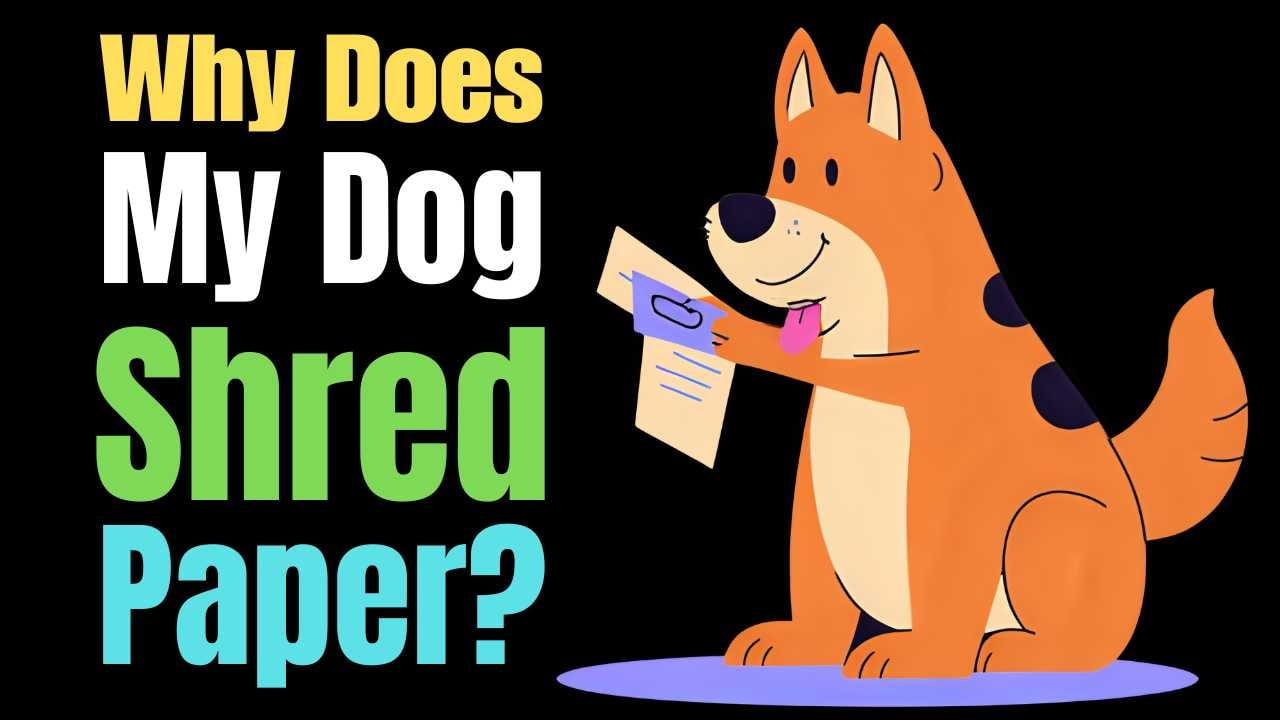
Why Does My Dog Shred Paper?
That familiar sound of tearing paper and the resulting "snowstorm" of shredded documents, tissues, and cardboard - it's a scene many dog owners know all too well. While frustrating for humans, paper shredding is a deeply satisfying behavior for dogs that serves multiple natural purposes.
Paper shredding is one of the most common destructive behaviors in dogs, but it's rarely about destruction from your dog's perspective. From natural instincts and sensory exploration to boredom relief and attention-seeking, understanding why your dog shreds paper is the first step toward effective management.
In this comprehensive guide, we'll explore the fascinating reasons behind your dog's paper-shredding behavior - from evolutionary biology and natural instincts to behavioral issues and potential medical concerns. Learning to interpret this behavior can help you respond appropriately and protect your important documents.
Keep reading to discover why dogs are drawn to paper products, learn to distinguish between normal and problematic shredding, and find practical strategies for redirecting this natural behavior into appropriate outlets.
Natural Instincts: The Evolutionary Roots of Shredding
Paper shredding behavior is deeply rooted in canine evolutionary history and natural instincts that served important survival functions for their wild ancestors.
Prey Drive Instinct
Hunting Simulation
Shredding mimics the tearing and pulling motions used to dismember prey in the wild
Natural predatory sequence behavior
Den Preparation
Nesting Behavior
Wild canines shred leaves and grass to create comfortable nesting areas
Instinctual comfort-seeking
Sensory Exploration
Environmental Investigation
Dogs explore objects with their mouths, and paper provides interesting textures and sounds
Natural curiosity expression
Did You Know?
The sound of tearing paper closely mimics the sound of tearing flesh and cartilage, which triggers innate predatory responses in dogs. This acoustic similarity explains why many dogs become particularly excited and focused when shredding paper. Additionally, paper often carries human scent, food residues, and interesting chemical compounds from printing inks and processing, making it particularly appealing to dogs' powerful sense of smell. Research has shown that the physical act of shredding releases dopamine in dogs' brains, creating a natural reward that reinforces the behavior regardless of external consequences.
Understanding that paper shredding is a natural canine behavior rather than "misbehavior" is crucial for developing effective management strategies. The key is redirecting this innate drive toward appropriate outlets rather than trying to eliminate it entirely.
Primary Reasons Why Dogs Shred Paper
Your dog's paper-shredding behavior likely stems from one or more of these common motivations. Identifying the primary driver helps determine the most effective response strategy.
| Primary Motivation | Behavioral Signs | Typical Context |
|---|---|---|
| Boredom & Understimulation | Absent-minded shredding, stops when distracted, normal energy | When alone, during quiet periods, lack of enrichment |
| Play & Entertainment | Playful body language, "play bow" postures, brings paper as toy | During active periods, when seeking interaction |
| Anxiety & Stress Relief | Focused, intense shredding, difficult to redirect, stress signals | During storms, when left alone, during schedule changes |
| Attention-Seeking | Makes eye contact while shredding, stops when acknowledged | When owners are distracted, for any reaction including scolding |
| Exploration & Curiosity | Investigative approach, brief interest, moves on to other things | New objects, interesting smells, novel environments |
| Teething (Puppies) | Focused chewing rather than shredding, gum discomfort signs | 3-6 month age range, seeks relief from teething pain |
Important Note
While most paper shredding is behavioral, sudden onset of paper eating (rather than just shredding) can indicate medical issues like nutritional deficiencies, gastrointestinal problems, or pica. If your dog is consuming significant amounts of paper, especially if this is a new behavior, consult your veterinarian. Conditions like anemia, digestive disorders, or dietary imbalances can drive dogs to eat non-food items. Always rule out medical causes before assuming the behavior is purely behavioral.
The Science of Canine Enrichment Seeking
Sensory Enrichment: Paper provides visual interest (moving when torn), auditory stimulation (tearing sounds), and tactile feedback (different textures) that dogs find inherently rewarding.
Cognitive Challenge: Figuring out how to shred different types of paper presents a problem-solving opportunity that engages your dog's mind.
Physical Satisfaction: The act of tearing and shredding provides physical exercise for jaw muscles and satisfies the natural urge to use their teeth.
Instant Gratification: Paper shredding provides immediate visual results and sensory feedback, making it highly reinforcing.
Odor Association: Paper products often carry food smells, human scent, or interesting chemical compounds that attract dogs.
Most paper shredding represents normal canine exploration and play. The context, intensity, and accompanying behaviors help determine whether it stems from harmless curiosity or potentially problematic underlying issues.
Types of Paper Dogs Target and Why
Different paper products attract dogs for different reasons. Understanding what makes specific paper types appealing can help you protect your most valuable items.
| Paper Type | Why It's Appealing | Risk Level |
|---|---|---|
| Tissues & Toilet Paper | Soft texture, easy to shred, often carries human scent | Medium (can cause blockages if eaten) |
| Cardboard Boxes | Sturdy material satisfying to destroy, often has food smells | Low (generally safe if not consumed in large quantities) |
| Mail & Documents | Novel smells from shipping, ink scents, human handling | High (important documents, potential ink toxicity) |
| Books & Magazines | Interesting binding materials, variety of paper types | High (valuable items, ink concerns) |
| Paper Bags | Food residues, crinkly sound, easy to carry and shake | Medium (handles can pose entanglement risk) |
| Money | Unique texture, human scent concentration, cotton content | High (obvious financial loss) |
Scent-Based Targeting
Dogs are particularly drawn to paper products that carry strong human scent, especially from their favorite people. Items like used tissues, mail you've handled extensively, or books you frequently read become particularly appealing because they smell like you. This explains why dogs often target their owner's personal items rather than generic paper products. The scent connection makes these items more comforting and interesting, turning paper shredding into a way to feel connected to you when you're not present.
Why Specific Paper Types Are Targeted
- Tissues/Toilet Paper: Easy tearing satisfaction, proximity to human scent in bathrooms
- Cardboard: Provides substantial chewing resistance that satisfies jaw needs
- Mail: Novel smells from travel, excitement of "new" items entering home
- Books: Variety of textures from covers to pages, glue smells
- Paper Bags: Food history, crinkle sounds that trigger prey drive
- Money: Unique fiber content, concentrated human handling scent
The paper types your dog prefers can provide important clues about their motivations and help you implement targeted prevention strategies for your most vulnerable items.
Normal Exploration vs Concerning Behavior
Understanding when paper shredding represents normal canine behavior versus potential behavioral or medical issues is crucial for your appropriate response.
Normal Shredding Signs
Appropriate contexts include:
Context-Appropriate
Brief exploration, occasional play, easy redirection
Concerning Shredding Signs
Problematic patterns include:
Compulsive Behavior
Obsessive searching, cannot be redirected, causes distress
⚠️ Red Flags for Compulsive Behavior
Seek professional help if your dog shows these paper-shredding patterns: obsessive searching for paper when none is available, inability to be distracted from shredding behavior, continuing to shred until exhaustion, showing anxiety or frustration when prevented from shredding, or targeting dangerous items despite safe alternatives. These may indicate canine compulsive disorder (CCD) that requires intervention from a veterinarian or veterinary behaviorist. Compulsive shredding often follows specific rituals and continues despite negative consequences.
Assessing Your Dog's Shredding Behavior
Healthy Signs:
- Occasional, context-appropriate shredding
- Easily distracted or redirected
- Shows interest in appropriate alternatives
- Variable targets and patterns
- Normal energy and appetite maintained
Concerning Signs:
- Obsessive searching for paper
- Difficult to interrupt or stop
- Ignores appropriate alternatives
- Shows distress when prevented
- Fixed, repetitive patterns
- Accompanied by other behavior changes
When to Seek Professional Help
Consult a veterinarian or veterinary behaviorist if your dog exhibits:
- Consumption of paper: Eating rather than just shredding paper products
- Compulsive patterns: Ritualistic searching and shredding behaviors
- Destructive escalation: Progressing from paper to more dangerous items
- Anxiety symptoms: Panting, pacing, or whining related to shredding
- Safety concerns: Targeting dangerous items or causing household damage
- Social isolation: Choosing shredding over interaction with family
Early intervention for compulsive shredding leads to better outcomes. While some paper investigation is normal, behavior that causes distress for your dog or significant damage to your home warrants professional attention.
Prevention Strategies: Managing the Environment
Effective prevention involves managing your dog's environment to remove opportunities for inappropriate shredding while providing appropriate alternatives.
Environmental Management
Strategy: Remove access to tempting paper items
Implementation:
- Use closed trash cans
- Store paper products in cabinets
- Immediately recycle junk mail
- Use baby gates to limit access
Benefits: Prevents practice of unwanted behavior
Routine Management
Strategy: Control high-risk situations
Implementation:
- Supervise mail opening
- Manage greeting routines
- Control bathroom access
- Supervise during stressors
Benefits: Prevents shredding during vulnerable times
Supervision Strategies
Strategy: Intervene before shredding begins
Implementation:
- Use leashes indoors initially
- Practice "leave it" command
- Reward ignoring paper
- Use cameras when away
Benefits: Teaches appropriate behavior patterns
Home Protection Strategies
| Area of Home | Protection Strategies | Alternative Activities |
|---|---|---|
| Home Office | Closed storage, elevated surfaces, immediate filing | Designated chew toys in office, food puzzles |
| Bathroom | Lidded trash cans, closed toilet paper holders, closed cabinets | Bathroom-safe toys, interactive mats |
| Living Areas | Magazine racks with covers, closed storage, regular tidying | Multiple appropriate chew options, rotation system |
| Entryway | Immediate mail processing, closed storage for bags | Greeting toy ritual, "go to mat" training |
| Bedroom | Nightstand drawers, closed hampers, elevated surfaces | Comfort items, calming chews |
Management Consistency Tip
All household members must follow the same prevention strategies consistently. Mixed messages about paper access can confuse your dog and undermine progress. Establish clear house rules about paper storage and ensure everyone follows them uniformly. Consistency in environmental management creates clear expectations and prevents the intermittent reinforcement that can make paper shredding more persistent. Remember that prevention is always easier than correction - it's much simpler to keep paper out of reach than to train your dog to resist temptation.
Effective prevention reduces your dog's opportunities to practice inappropriate shredding while you work on addressing the underlying causes through training and enrichment.
Redirection Techniques: Appropriate Alternatives
Successful management involves providing appropriate outlets for your dog's natural shredding instincts while teaching alternative behaviors.
Appropriate Shredding Alternatives
- Designated Shredding Toys: Commercial toys with shreddable inserts or paper you can safely allow
- Food Puzzle Toys: Items that require manipulation to access treats
- Cardboard Recycling Box: Designated cardboard items for supervised shredding
- Frozen Treats: Kongs or similar toys filled with frozen food that require extended chewing
- Snuffle Mats: Fabric mats where dogs can "forage" for hidden treats
- Rotating Toy System: Regularly rotating toys to maintain novelty and interest
Enrichment Science
Research shows that dogs who receive adequate mental stimulation through food puzzles, training, and appropriate chew items are significantly less likely to develop destructive behaviors. The concept of "contrafreeloading" suggests that many animals prefer to work for food rather than receive it freely. By providing food in puzzle toys and shreddable items, you're satisfying your dog's natural instinct to work for resources, which can reduce their interest in inappropriate paper shredding. Rotating different types of enrichment prevents habituation and maintains long-term effectiveness.
Training Exercises for Redirection
Step 1: Teach "Leave It": Start with low-value items, reward for ignoring, gradually increase difficulty to include paper products.
Step 2: Introduce Alternatives: When your dog shows interest in paper, immediately redirect to an appropriate shredding toy.
Step 3: Make Alternatives More Valuable: Use high-value treats in puzzle toys and make designated shredding items more exciting than forbidden paper.
Step 4: Practice Management: Set up controlled scenarios where your dog can practice choosing appropriate items over paper.
Step 5: Generalize Training: Practice in different rooms with various types of paper temptations.
Step 6: Build Duration: Gradually increase the time your dog will engage with appropriate alternatives instead of seeking paper.
DIY Shredding Alternatives
Safe Shredding Box
Create designated shredding:
Controlled Outlet
Cardboard, paper towels, safe inserts with treats
Foraging Toys
Mental stimulation:
Food Puzzles
Kongs, snuffle mats, DIY puzzle feeders
The most effective approach combines clear boundaries about inappropriate items with generous access to appropriate alternatives. By making approved shredding options more rewarding than forbidden paper, you can channel your dog's natural instincts into acceptable outlets.
Frequently Asked Questions
Shredding paper itself is generally not dangerous if your dog isn't consuming it. The primary risks come from:
- Ink toxicity: Some printing inks contain heavy metals or chemicals that could be harmful if ingested in large quantities
- Intestinal blockage: If your dog eats the paper rather than just shredding it, it can cause dangerous obstructions
- Choking hazard: Large pieces of cardboard or paper can potentially cause choking
- Important document destruction: Obviously, shredded important papers create practical problems
- Reinforcement of destructive behavior: Successful paper shredding can encourage destruction of other household items
If your dog only shreds without eating, the behavior is mostly a nuisance rather than a health emergency. However, any consumption of paper warrants closer attention and possibly veterinary consultation.
Paper shredding in your absence typically indicates one of these issues:
- Separation anxiety: Your dog may shred paper as a coping mechanism for stress when alone
- Boredom: Without your presence for entertainment, your dog seeks stimulation through available items
- Attention-seeking: Even though you're not present, the "evidence" gets your attention when you return
- Learned opportunity: Your dog has discovered that your absence means access to normally protected paper items
- Comfort-seeking: Items with your scent may provide comfort when you're away
Use a pet camera to observe the behavior's context. If your dog shows anxiety signs (panting, pacing, whining) before shredding, separation anxiety may be the primary issue needing address.
No, punishment is generally ineffective and often counterproductive for paper shredding. Here's why:
- Doesn't address root cause: Punishment suppresses the symptom without solving the underlying motivation
- Can increase anxiety: Dogs punished for natural behaviors may become anxious or confused
- Damages your relationship: Your dog doesn't understand why shredding paper is wrong
- Can worsen the behavior: Anxiety from punishment may increase stress-related shredding
- Missed teaching opportunity: You're showing what not to do without teaching what to do instead
Instead, focus on management (preventing access), redirection (teaching alternatives), and addressing underlying causes (boredom, anxiety). This positive approach is more effective long-term and strengthens your bond with your dog.
Sudden onset of paper shredding can indicate:
- Medical issues: Dental pain, nutritional deficiencies, or gastrointestinal discomfort
- Environmental changes: Schedule changes, new family members, or moving house
- Developmental stages: Adolescence can bring new behaviors as dogs test boundaries
- Learned reinforcement: Your dog may have accidentally been rewarded for shredding
- Increased stress: New anxieties or fears can trigger shredding as a coping mechanism
- Decreased exercise: Reduced physical activity can lead to seeking alternative stimulation
Document when the behavior started and any accompanying changes in environment, routine, or your dog's health. This information will help you identify the trigger and choose the most appropriate response strategy.
Yes, many owners successfully train their dogs to shred only designated items. Here's how:
- Create a "shredding station": Designate a specific area with approved shredding materials
- Use distinct cues: Teach a specific command for when shredding is allowed
- Make approved items exciting: Hide treats in cardboard boxes or paper rolls
- Be consistent with boundaries: Always redirect from inappropriate items to approved ones
- Use clear storage: Keep forbidden paper completely inaccessible outside training sessions
- Supervise initially: Practice with both approved and forbidden items present to reinforce the distinction
This approach channels the natural behavior into an appropriate outlet while preserving your important documents. Many dogs readily learn the difference between "their" paper and yours when training is consistent.
Dogs don't typically "outgrow" paper shredding completely, but the behavior often changes with maturity:
- Puppies: Shredding is often exploration and teething relief, which decreases with age
- Adolescents: High energy and testing boundaries may increase shredding temporarily
- Adults: Established patterns continue, but adults often respond better to training
- Seniors: New shredding in older dogs may indicate cognitive changes or discomfort
Rather than waiting for your dog to outgrow shredding, actively manage the behavior and teach appropriate alternatives. Most dogs learn to control the impulse with consistent training, but may always find paper appealing. The goal is management and redirection, not necessarily complete elimination of the interest.
Bottom Line: Understanding Your Dog's Paper Shredding Behavior
Your dog's paper shredding behavior is a natural canine instinct rooted in evolutionary history - from prey drive simulation and nesting behaviors to sensory exploration and boredom relief. Understanding that this behavior serves legitimate purposes for your dog, rather than representing "misbehavior," is the foundation for effective management. While occasional paper investigation is normal, excessive or compulsive shredding warrants attention through environmental management, appropriate alternative provision, and addressing underlying causes like boredom or anxiety. By providing acceptable outlets for your dog's natural shredding instincts while protecting your important documents, you can coexist happily with your paper-loving companion. Remember that successful management combines clear boundaries with generous access to appropriate alternatives, creating a win-win situation for both you and your dog.
References and Further Readings
Trending Now


About the Author

Tonya Wilhelm
Author
Inspiring pet parents to live a happy, natural lifestyle with their pets since 1998. I focus on holistic pet care, behavior, nutrition, training, and dog-friendly travel with my pup, Dexter. I also offer private training, product reviews, freelance writing, and pet travel consulting.