Potty Training Puppy: Complete Beginner’s Guide
 Dawn Lowery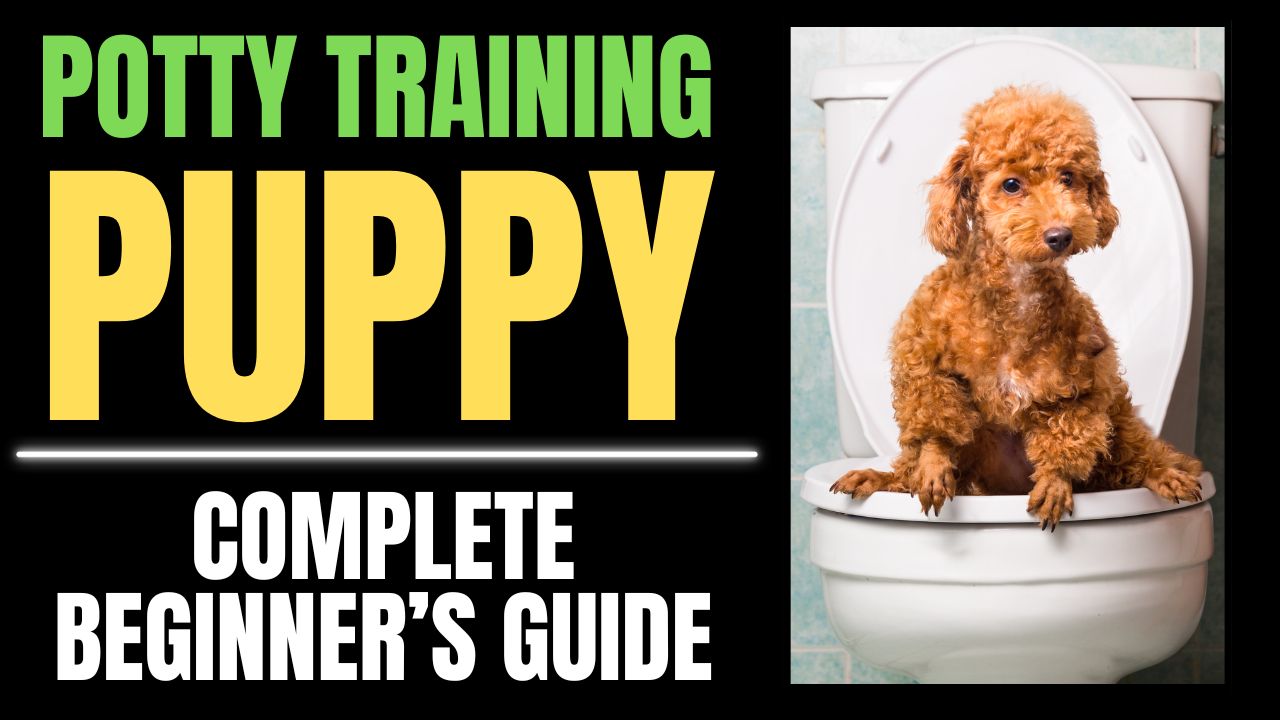
Potty Training Puppy: Complete Beginner’s Guide
Potty training is one of the most important skills you'll teach your new puppy, and with the right approach, it can be a positive experience that strengthens your bond. While the process requires patience and consistency, most puppies can be reliably house trained within 4-6 months when following a structured program. This comprehensive guide will walk you through every step of the potty training journey, from preparing your home to troubleshooting common challenges.
Understanding that accidents are a normal part of the learning process is key to successful potty training. Puppies have small bladders and limited bowel control, so realistic expectations combined with a consistent routine will set both you and your puppy up for success. This guide provides evidence-based techniques that work with your puppy's natural instincts and developmental stages.
From establishing a feeding schedule to recognizing your puppy's elimination cues, we'll cover all aspects of potty training in detail. You'll learn how to create a positive association with outdoor elimination, effectively use crate training, handle accidents properly, and transition your puppy to reliable house manners. With this complete A to Z tutorial, you'll have all the tools needed for potty training success.
Preparation: Setting Up for Success
Proper preparation creates the foundation for effective potty training.
| Essential Supplies | Crate, enzymatic cleaner, treats, leash, potty bells |
|---|---|
| Designated Area | Consistent outdoor potty spot, puppy-proofed indoor areas |
| Schedule Planning | Feeding times, potty breaks, play sessions, nap times |
| Family Coordination | Consistent commands, shared schedule, unified approach |
| Realistic Timeline | 4-6 months for reliability, varies by breed and individual |
Did You Know?
Puppies have a natural instinct to avoid soiling their sleeping area, which is why crate training is such an effective potty training tool. This instinct stems from their wild ancestors who needed to keep their dens clean to avoid attracting predators. Most puppies can control their bladder for approximately one hour per month of age, up to about 8-9 months. So a 2-month-old puppy typically needs to eliminate every 2 hours, while a 4-month-old can usually hold it for about 4 hours. Understanding these biological limitations helps set realistic expectations during the potty training process. Additionally, puppies typically need to eliminate shortly after waking up, after playing, after eating, and after drinking water - these are key times to take your puppy to their potty spot.
Essential Potty Training Supplies
- Appropriate-sized crate: Large enough to stand and turn around
- Enzymatic cleaner: Specifically designed to eliminate urine odors
- High-value treats: Small, soft treats for immediate rewards
- Leash and collar/harness: For controlled potty trips
- Potty bells (optional): Door bells for puppy to signal need to go out
- Puppy pads (if using): For initial indoor training or bad weather backup
- Clean-up supplies: Paper towels, bags, disinfectant
Establishing a Potty Schedule
Consistency is the most important element of successful potty training.
Morning Routine
Immediate Potty Break
Take puppy out immediately upon waking, before any play or feeding. Use a consistent phrase like "go potty" and reward successful elimination.
First thing after crate door opens
Daytime Schedule
Frequent Breaks
Puppies need potty breaks every 1-2 hours during the day, plus after waking from naps, after playing, and 15-30 minutes after eating or drinking.
Every 1-2 hours plus trigger times
Evening & Night
Last Call & Overnight
Final potty break right before bedtime. Limit water 2 hours before bed. Young puppies may need one overnight break - keep it quiet and business-like.
Final break before crate for night
Sample Daily Potty Schedule
The Connection Between Feeding and Potty Schedule
Establishing a consistent feeding schedule is crucial for successful potty training because it creates predictability in your puppy's elimination patterns. Feed your puppy at the same times each day, typically 3-4 meals for young puppies and 2-3 meals for older puppies. Most puppies will need to eliminate within 15-30 minutes after eating, though this can vary by individual. Pay attention to your puppy's specific patterns - some may need to go immediately after eating, while others might take 30-45 minutes. Remove water 2 hours before bedtime to reduce overnight accidents, but ensure fresh water is available throughout the day. Keeping a simple log of when your puppy eats, drinks, and eliminates can help you identify their personal patterns and adjust your schedule accordingly. This predictability makes it easier to anticipate when your puppy needs to go and get them to the appropriate spot in time.
Step-by-Step Potty Training Process
Follow these steps consistently for potty training success.
Step 1: Choose a Potty Spot
Select a specific outdoor area for elimination and always take your puppy to this same spot. The consistent location will help trigger the desired behavior.
Tip: Use a consistent phrase like "go potty"
Step 2: Establish a Routine
Take your puppy to the potty spot at key times: after waking, after eating, after playing, and every 1-2 hours during the day.
Tip: Use a timer to remind yourself
Step 3: Reward Success
Immediately when your puppy eliminates in the correct spot, praise enthusiastically and give a high-value treat. Make it a celebration!
Tip: Always carry treats during potty trips
Step 4: Use a Cue Word
Say your chosen potty cue ("go potty," "do business") as your puppy begins to eliminate. They will eventually associate the word with the action.
Tip: Be consistent with your chosen phrase
Step 5: Supervise Constantly
When not in their crate, keep your puppy with you on leash or in a puppy-proofed area where you can watch for pre-potty signals.
Tip: Use baby gates to limit access
Step 6: Manage Accidents Properly
If you catch your puppy in the act, interrupt gently and rush outside. Clean accidents thoroughly with enzymatic cleaner to remove odor.
Tip: Never punish after the fact
Detailed Step-by-Step Guide
- Preparation Phase (Days 1-3): Set up crate, supplies, and potty area. Establish feeding schedule.
- Introduction Phase (Days 4-7): Begin consistent potty schedule. Introduce cue word. Start reward system.
- Consistency Phase (Weeks 2-4): Maintain strict schedule. Work on extending time between potty breaks.
- Expansion Phase (Weeks 5-8): Gradually give more freedom in house. Begin overnight training.
- Reliability Phase (Months 3-6): Puppy signals need to go out. Fewer accidents. Longer holding ability.
Common Potty Training Mistakes to Avoid
Avoid these common mistakes that can delay potty training progress: Don't punish your puppy for accidents - this creates fear and may cause them to hide when they need to eliminate. Never rub your puppy's nose in accidents - this is ineffective and harmful. Don't expect your puppy to "tell you" they need to go out until they're much older - it's your responsibility to anticipate their needs. Avoid giving too much freedom too soon - puppies need to earn house privileges gradually. Don't use ammonia-based cleaners for accidents - they smell similar to urine and may attract your puppy back to the same spot. Never leave your puppy unsupervised in un-proofed areas - constant supervision is key to preventing accidents. Don't forget to clean accidents thoroughly with enzymatic cleaner - residual odor will attract your puppy back to that spot. Avoid inconsistent schedules - predictability helps your puppy learn faster.
Crate Training for Potty Success
Proper crate training is one of the most effective potty training tools.
Proper Crate Setup
Choose the right size crate - large enough for your puppy to stand, turn around, and lie down comfortably, but not so large that they can eliminate in one corner and sleep in another.
Crate Training Steps
Introduce the crate gradually with positive associations. Feed meals in the crate, provide special toys only in the crate, and use treats to encourage voluntary entry.
Crate Schedule
Use the crate during naps, overnight, and when you can't directly supervise your puppy. Always take your puppy directly to their potty spot after crate time.
Crate Time Guidelines by Age
- 8-10 weeks: 30-60 minutes awake, 2-3 hours napping in crate
- 10-12 weeks: 1-2 hours awake, 2 hours napping in crate
- 3-4 months: 2-3 hours awake, 1.5-2 hours napping in crate
- 4-6 months: 3-4 hours awake, 1-2 hours napping in crate
- 6+ months: 4-5 hours awake, 1-2 hours napping in crate
Making the Crate a Positive Space
Creating positive associations with the crate is essential for successful crate training. Never use the crate as punishment - it should always be a safe, comfortable space. Feed your puppy their meals in the crate with the door open initially. Provide special toys or treats that they only get when in the crate, such as stuffed Kong toys or safe chew items. Use a comfortable bed or blanket that smells like you. Practice short sessions with the door closed while you're in the room, gradually increasing duration. If your puppy whines in the crate, ensure they don't need to eliminate before assuming it's anxiety. Most puppies adapt well to crate training when introduced properly, but some may need more gradual acclimation. If your puppy shows significant distress, consult a professional trainer for guidance. Remember that the goal is for your puppy to see their crate as their own special den - a place of security and comfort.
What Not to Do With Crates
- Don't leave puppies in crates too long - follow age guidelines
- Never use crate for punishment - it creates negative associations
- Avoid crating a puppy who needs to eliminate - always potty first
- Don't let puppies out when whining (unless they need to potty)
- Avoid inappropriate crate sizes - not too big, not too small
- Don't place crate in isolated area - puppies are social animals
Recognizing Puppy Potty Signals
Learning to read your puppy's body language prevents accidents.
Sniffing & Circling
When puppies need to eliminate, they often sniff the ground intently and may circle a specific spot. This is usually the last signal before they actually go.
Heading Toward Door
Some puppies will go to the door they typically use to go outside. They may scratch at it, sit by it, or just glance toward it repeatedly.
Sudden Behavior Change
During play or activity, your puppy may suddenly stop, become distracted, or leave the room. This often indicates they need to eliminate.
Restlessness & Pacing
Puppies who need to go may become restless, pace back and forth, or seem unable to settle. They may whine or appear anxious.
Squatting Position
The classic squatting position is an obvious sign, but by this point, it may be too late to prevent an accident indoors.
Whining or Barking
Some puppies will vocalize when they need to go out, especially if they've learned to associate going outside with specific signals.
Teaching Your Puppy to Signal
- Potty bells: Hang bells on the door and ring them each time you go out
- Consistent phrase: Use the same words like "need to go out?"
- Capture signals: Reward any attempt to communicate need to eliminate
- Button training: Use programmable buttons for "outside" or "potty"
- Anticipate needs: Take puppy out before they need to signal
- Be patient: Most puppies don't reliably signal until 4-6 months
The Importance of Supervision
Constant supervision is the most effective way to prevent accidents and learn your puppy's unique signals. When your puppy is not in their crate, they should be either directly with you on leash, in a puppy-proofed exercise pen, or in a small, easily supervised area. This allows you to notice the subtle signs that they need to eliminate and get them outside in time. Use baby gates to limit access to other parts of your home until your puppy is reliably potty trained. When you can't supervise directly, your puppy should be in their crate or safe confinement area. The more accidents you can prevent through supervision, the faster your puppy will learn that elimination happens outside only. Keep your puppy in the same room with you, and pay attention to changes in behavior, especially after waking, playing, eating, or drinking. This vigilant supervision phase typically lasts 2-4 weeks for most puppies before you can begin to gradually allow more freedom.
Properly Handling Accidents
How you respond to accidents significantly impacts training progress.
Caught in the Act
Interrupt Gently
If you catch your puppy mid-accident, make a neutral interruption sound (like "oops!" or clap hands) and immediately take them to their potty spot.
Finish outside, then praise if they continue
Discovered Afterward
No Punishment
If you find an accident after it happened, do not punish your puppy. They cannot connect the punishment with the action that occurred minutes or hours earlier.
Clean thoroughly and review supervision
Cleaning Properly
Enzymatic Cleaner
Use an enzymatic cleaner specifically designed for pet stains. These break down the urine proteins that regular cleaners miss, eliminating the odor that attracts puppies back.
Avoid ammonia-based cleaners
Effective Accident Cleanup Process
- Blot: Use paper towels to absorb as much liquid as possible
- Rinse: For urine, rinse area with cool water and blot again
- Apply enzymatic cleaner: Follow product instructions carefully
- Allow to dry: Some products require air drying for full effectiveness
- Check for residue: Use a black light to ensure complete odor removal
- Prevent re-soiling: Block access to area or use deterrent spray temporarily
What Never to Do After an Accident
Certain responses to accidents can seriously damage your potty training progress and your relationship with your puppy. Never rub your puppy's nose in their accident - this is cruel and ineffective. Don't scold or punish your puppy for accidents - they are still learning and punishment creates fear. Avoid using ammonia-based cleaners - the smell resembles urine and may attract your puppy back to the same spot. Don't isolate your puppy for long periods after an accident - this creates negative associations. Never throw your puppy outside after an accident - this makes them afraid of going outside. Don't withhold water as punishment - proper hydration is important for health. Avoid showing frustration or anger - your puppy can sense your emotions, which may increase their anxiety. Remember that accidents are a normal part of the learning process, not intentional misbehavior. Your calm, consistent response will help your puppy learn faster.
Tracking Progress & Patterns
- Keep a simple log: Note accidents, successful potty trips, and timing
- Identify patterns: Look for common triggers or times for accidents
- Adjust schedule: Modify potty break timing based on patterns
- Celebrate improvements: Note longer intervals between accidents
- Share with family: Ensure everyone follows the same approach
Troubleshooting Common Problems
Solutions for frequent potty training challenges.
Frequent Indoor Accidents
Increase Supervision
If accidents are frequent, you're likely giving too much freedom too soon. Go back to basics with more crate time, leash attachment, or use of exercise pens.
Return to constant supervision phase
Going Potty Outside Then Inside
Extended Outdoor Time
Some puppies eliminate multiple times in quick succession. Stay outside longer after initial elimination, and walk to different areas to encourage multiple potties.
Wait 5-10 minutes after first elimination
Refusing to Go Outside
Positive Associations
If puppy resists going outside, make outdoor time more rewarding. Use high-value treats, favorite toys, and keep initial sessions brief and positive.
Address fear or discomfort with outside
Solutions for Specific Issues
When to Consult a Veterinarian
While most potty training challenges are behavioral, some may indicate medical issues that require veterinary attention. Consult your veterinarian if your puppy: Has sudden changes in elimination habits, strains to urinate or defecate, has accidents despite previously being reliable, has blood in urine or stool, drinks excessive water, urinates in large volumes, seems in pain during elimination, or has diarrhea that persists more than 24 hours. Medical conditions like urinary tract infections, parasites, diabetes, or anatomical issues can mimic potty training problems. It's always better to rule out medical causes before assuming a behavioral issue. Keep track of symptoms to share with your veterinarian, including frequency of accidents, appearance of urine/stool, and any associated behaviors. Early intervention for medical issues can prevent more serious problems and get your potty training back on track faster.
Frequently Asked Questions
Most puppies can be substantially potty trained within 4-6 months, though this varies by breed, individual temperament, and consistency of training. Small breeds often take longer than larger breeds because they have smaller bladders and higher metabolisms. The first few weeks are typically the most intensive, requiring constant supervision and frequent potty breaks. By 3-4 months, many puppies have learned where to eliminate but still need reminders and supervision. True reliability (accident-free for weeks at a time) usually comes between 6-12 months. Remember that "potty trained" means your puppy understands where to eliminate and can hold it for reasonable periods, but occasional accidents can still happen, especially when routines change or during excitement. Consistency is the key factor - the more predictable your schedule and responses, the faster your puppy will learn.
This depends on your living situation and long-term goals. Direct outdoor training is generally recommended if you have easy access to outdoor space because it establishes the desired final behavior from the beginning. However, puppy pads can be useful in certain situations: for apartment dwellers in high-rise buildings, during extreme weather conditions, for very young puppies who can't hold it long enough to get outside, or when you're away for longer than your puppy can hold it. If you use puppy pads, place them near the door initially, then gradually move them closer to the actual outdoor potty spot to help transition to outdoor elimination. The potential downside of puppy pads is that some puppies generalize that soft surfaces indoors are acceptable potty spots, which can lead to accidents on rugs or carpets. If you choose to use pads, be consistent about their location and eventually phase them out as your puppy gains bladder control.
Potty training regression is common and usually temporary. Common causes include: giving too much freedom too soon, changes in routine or environment, medical issues like urinary tract infections, incomplete cleaning of previous accidents, fear or anxiety about going outside, or simply testing boundaries as they grow. When regression occurs, return to the previous successful step in your training - typically this means going back to constant supervision, more frequent potty breaks, and limiting freedom. Ensure you're thoroughly cleaning accidents with enzymatic cleaner. If the regression persists for more than a few days or is accompanied by other symptoms, consult your veterinarian to rule out medical issues. Most regressions resolve quickly when you return to consistent management. Remember that potty training isn't always a straight line of progress - there are often plateaus and occasional steps backward before your puppy becomes completely reliable.
Potty training while working requires planning and possibly assistance. Options include: coming home during lunch breaks, hiring a dog walker or pet sitter for midday potty breaks, using a puppy daycare service, or setting up a safe confinement area with puppy pads. If you must leave your puppy for extended periods, create a puppy-safe space with a crate for sleeping and a separate potty area with pads. When you're home, focus on intensive outdoor training and supervision. Use weekends and days off to reinforce outdoor habits. Consider starting potty training during a vacation or time off work to establish the foundation. Be realistic about what your puppy can handle - young puppies typically can't hold it for a full workday. As your puppy matures, they'll be able to wait longer between potty breaks. The key is consistency during the times you are home and providing appropriate solutions for when you're away.
This common issue usually happens for a few reasons: Your puppy may not have completely emptied their bladder or bowels outside, they might be overexcited from coming inside, or they could be associating the end of outdoor time with the need to eliminate. Solutions include: staying outside longer after your puppy eliminates (5-10 minutes longer to ensure they're completely finished), taking your puppy for a short walk or engaging in calm activity before going inside to help them empty completely, and making sure outdoor potty time is boring business until after they've eliminated (then you can play). Also check that you're thoroughly cleaning indoor accidents with enzymatic cleaner - residual odor can attract them back to the same spot. If this problem persists, your puppy may need to go out more frequently or for longer sessions until they develop better bladder and bowel control.
Potty training in inclement weather requires some adaptations but follows the same principles. Create a clear path to the potty area that's as protected from the elements as possible. Use a specific potty spot that's quick to access. Keep potty trips all business - no playing until after elimination happens. Use high-value treats that your puppy really loves to make braving the weather worthwhile. Consider protective gear like a puppy coat or boots if your breed is sensitive to cold. For rain, keep a towel by the door to dry your puppy quickly when they come inside. If weather is truly extreme, you might use puppy pads temporarily but return to outdoor training as soon as conditions improve. The key is maintaining consistency - if you sometimes allow indoor elimination during bad weather, your puppy may become confused about where it's appropriate to go. Make outdoor potty trips as positive and efficient as possible, and your puppy will learn to do their business quickly regardless of weather.
This is a common scenario that requires teaching your puppy to eliminate in a specific location. Choose a designated potty spot in your yard and always take your puppy there on leash. Use a consistent cue like "go potty" when you're in that spot. Stay in that one area until your puppy eliminates, even if it takes a while. Keep these sessions boring - no walking or playing until after they've gone. When they do eliminate in the right spot, praise enthusiastically and give high-value treats. You might also bring a small sample of their urine or feces from a previous elimination to the spot, as the scent can encourage them to go. Be patient and consistent - it may take several days of standing in one spot before your puppy understands what's expected. Once they reliably go in the designated area, you can gradually give them more freedom in the yard after they've eliminated.
Most puppies can sleep through the night without potty breaks by 4-6 months of age, though this varies by individual and breed. A general guideline is that puppies can typically hold their bladder for one hour per month of age, up to about 8-9 hours maximum. So a 3-month-old puppy might need one overnight break, while a 4-month-old might sleep through the night. To help your puppy develop overnight bladder control, limit water 2-3 hours before bedtime, ensure they empty their bladder completely right before crating for the night, and keep the last potty break as late as possible. If your puppy whines during the night, take them out for a quick, boring potty break with no play or interaction, then immediately back to bed. Most puppies will naturally start sleeping longer stretches as they mature and their bladder capacity increases. If your puppy consistently can't make it through the night by 6 months, consult your veterinarian to rule out medical issues.
Bottom Line: Keys to Potty Training Success
Successful potty training ultimately comes down to consistency, patience, and understanding your puppy's needs and limitations. Establish a predictable routine that includes frequent potty breaks, especially after waking, eating, playing, and drinking. Use crate training effectively to take advantage of your puppy's natural instinct to keep their sleeping area clean. Supervise constantly when your puppy is not confined to prevent accidents and learn their elimination signals. Reward successful outdoor elimination immediately and enthusiastically with treats and praise. Handle accidents properly by interrupting gently if caught in the act, cleaning thoroughly with enzymatic cleaner, and never punishing after the fact. Remember that potty training is a process that typically takes 4-6 months for reliability, with occasional setbacks being normal. Each puppy is an individual, so adjust your approach based on your puppy's progress and needs. With consistency, positive reinforcement, and realistic expectations, you'll guide your puppy to become a reliably house-trained companion who understands where and when to eliminate.
References and Further Readings
1- How to Potty Train Puppies: A Comprehensive Guide for Success | American Kennel Club
2- All the Worst Puppy Problems: Housetraining Hang-Ups | IAABC Foundation
3- Tips for Potty Training Your New Puppy | Hill's Pet
4- How to Potty Train a Puppy or Dog | Best Friends Animal Society
5- Potty Training for Puppies and Adult Dogs | San Diego Humane Society
In the Spotlight








About the Author

Dawn Lowery
Author
Dawn Lowery, CPDT-KA, is a Certified Professional Dog Trainer and AKC Canine Good Citizen Evaluator. She teaches Dog First Aid & CPR, volunteers with Boston Terrier Rescue of CT, and helps families build lasting bonds with their dogs.