How to Toilet Train a Puppy in 7 Days
 Dawn Lowery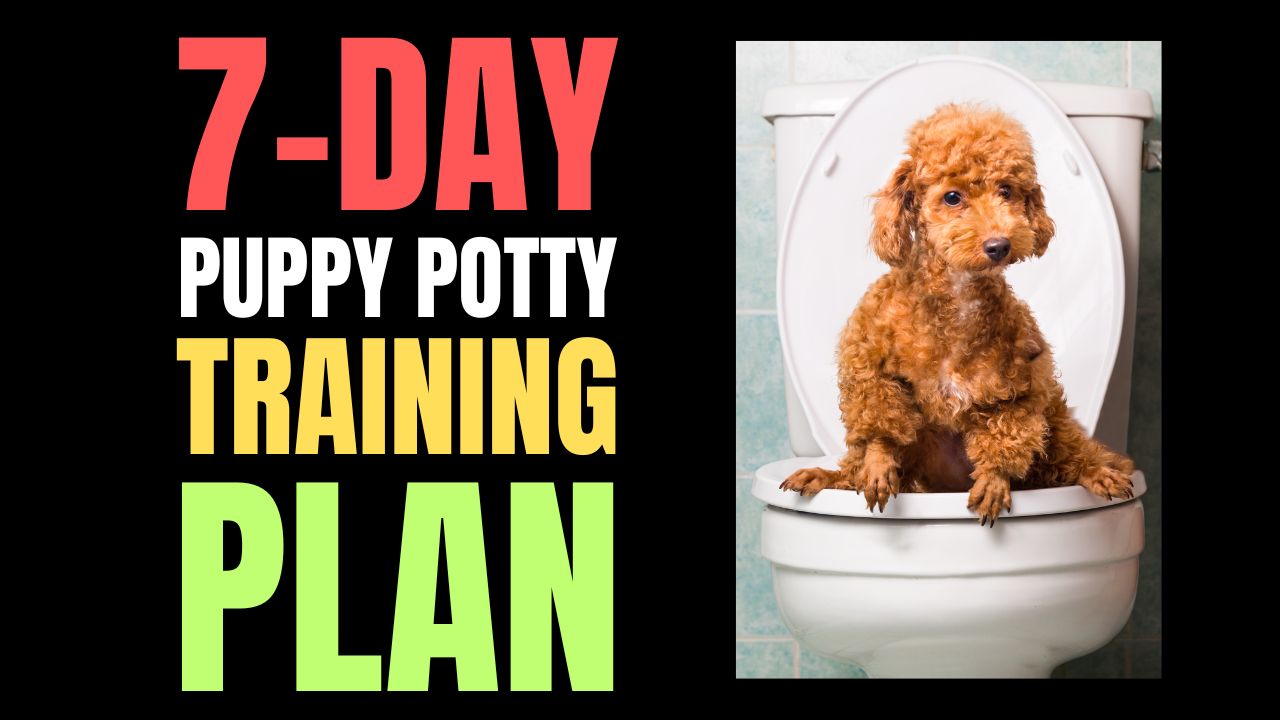
7-Day Puppy Potty Training Plan
Yes, most puppies really can be house-trained in just 7 days with the right approach, consistency, and proven techniques used by professional trainers across the United States. This intensive but highly effective method works for puppies of all breeds and backgrounds, from energetic Labrador Retrievers to tiny Yorkies, and even rescue puppies with unknown histories.
Real success stories pour in daily from owners of Goldendoodles who mastered potty training in 5 days, Labrador Retrievers who were accident-free by day 6, French Bulldogs who responded beautifully to the schedule, and rescue puppies who finally understood where to go after just a few days of consistent training. The key lies in a structured approach that eliminates confusion and builds strong habits quickly.
Before starting day one, you'll need a few essential supplies that are readily available from major pet retailers like Amazon, Chewy, and Petco. Having everything prepared in advance sets you up for success and eliminates last-minute shopping trips that could disrupt your training schedule.
The 7 Rules You Must Never Break
These foundational principles form the backbone of successful 7-day toilet training. Breaking any of these rules can set back your progress and confuse your puppy.
Supervision + Confinement = Zero Accidents
Your puppy should never have unsupervised freedom during the 7-day training period. When not in their crate or confined area, keep them tethered to you with a leash or in a playpen where you can watch them constantly.
Use the Exact Cue Word Consistently
Professional trainers across the U.S. almost universally use "Go potty" as the cue phrase. Say it right as your puppy begins to eliminate, not before or after. This creates a strong association between the words and the action.
Never Punish Accidents
Punishment backfires every single time by creating fear and anxiety around elimination. If you catch your puppy in the act, interrupt gently with a neutral "Oops!" and immediately take them outside to finish.
Always Reward Successful Elimination
The moment your puppy finishes eliminating in the correct spot, offer enthusiastic praise and a high-value treat. This immediate positive reinforcement is crucial for creating the desired habit.
Follow the Schedule Rigorously
The 7-day schedule is scientifically designed to work with your puppy's biological rhythms. Deviating from it, even occasionally, can disrupt the pattern-building process.
Clean Accidents Thoroughly
Use enzymatic cleaners specifically designed for pet stains to completely remove odors that might attract your puppy back to the same spot. Regular household cleaners are not sufficient.
Be Patient and Consistent
All puppies learn at different paces. Some may master toilet training in 5 days, others might need the full 7 or even a few extra days. Consistency and patience are your greatest allies.
Why Punishment Always Backfires
When you punish a puppy for having an accident, they don't understand they're being punished for eliminating indoors. Instead, they learn to be afraid of eliminating in front of you, which can lead to hiding to go potty or developing anxiety around bathroom behaviors. This makes toilet training much more difficult and can damage your bond with your puppy.
USA Shopping List (Everything Ships Fast)
Having the right supplies before you begin is essential for success. These products are readily available from major U.S. retailers and have been selected for their effectiveness and value.
Best Crates Available Now
| Crate Type | Best For | Size Guide |
|---|---|---|
| Diggs Revol Crate | Puppies who dislike confinement - transforms into playpen | Small: 10-25 lbs, Medium: 26-40 lbs, Large: 41-70 lbs |
| Impact Collapsible Crate | Travel and strong chewers - nearly indestructible | 22": 10-25 lbs, 30": 26-50 lbs, 36": 51-70 lbs |
| MidWest Life Stages | Budget-friendly option with divider for growing puppies | 24": 11-25 lbs, 30": 26-40 lbs, 36": 41-70 lbs, 42": 71-90 lbs |
Top Enzyme Cleaners
Rocco & Roxie Stain & Odor Eliminator
Professional strength formula that completely eliminates odors rather than masking them. Safe for carpets, upholstery, and hard surfaces.
Nature's Miracle Stain & Odor Remover
The classic choice that's been trusted for decades. Effective on both new and set-in stains with a fresh, clean scent.
Angry Orange Pet Odor Eliminator
Concentrated formula that uses natural orange power to break down stains and odors. One bottle makes gallons of cleaner.
High-Value Treats Puppies Love
Zuke's Mini Naturals
Soft, tiny training treats available in multiple flavors. Perfect for rapid reinforcement without filling up your puppy.
Pupford Freeze-Dried Treats
Single-ingredient proteins that are highly palatable. The crunchy texture makes them extra rewarding for puppies.
Stewart Freeze-Dried Liver
The ultimate high-value reward that almost every puppy goes crazy for. Break into tiny pieces for training sessions.
Additional Helpful Supplies
Beyond the essentials, consider adding these items to your shopping list: a treat pouch for quick access during potty trips, potty bells for door training, a waterproof mattress cover for the crate, multiple absorbent towels for quick cleanups, baby gates for confinement areas, and a long-line leash for outdoor potty areas if you don't have a fenced yard.
The Exact 7-Day Potty Schedule
This carefully designed schedule works year-round in any U.S. climate and is tailored to accommodate the different needs of toy/small breeds versus medium/large breeds.
Clock-Time Routine for 8-16 Week Puppies
| Time | Activity | Toy/Small Breeds | Medium/Large Breeds |
|---|---|---|---|
| 6:00 AM | Wake up & potty | Immediate trip outside | Immediate trip outside |
| 6:30 AM | Breakfast | Small meal, water available | Regular meal, water available |
| 7:00 AM | Post-meal potty | 15-20 minutes after eating | 20-30 minutes after eating |
| 8:30 AM | Potty break | Every 1.5 hours | Every 2 hours |
| 10:00 AM | Potty break | Every 1.5 hours | Every 2 hours |
| 11:30 AM | Lunch & potty | Small meal, potty after | Regular meal, potty after |
| 1:00 PM | Potty break | Every 1.5 hours | Every 2 hours |
| 2:30 PM | Potty break | Every 1.5 hours | Every 2 hours |
| 4:00 PM | Potty break | Every 1.5 hours | Every 2 hours |
| 5:30 PM | Dinner & potty | Small meal, potty after | Regular meal, potty after |
| 7:00 PM | Potty break | Every 1.5 hours | Every 2 hours |
| 8:30 PM | Water removal | Remove water bowl | Remove water bowl |
| 10:00 PM | Last potty | Final trip before bed | Final trip before bed |
Why Breed Size Matters
Toy and small breed puppies have faster metabolisms and smaller bladders, requiring more frequent potty opportunities than their larger counterparts. A Chihuahua puppy might need to go every hour, while a Labrador puppy can typically wait two hours between trips. The schedule accounts for these physiological differences to ensure success for puppies of all sizes.
Day 1: Zero-Accident Day
The first day sets the foundation for your entire 7-day training program. The goal is simple: prevent every single accident through constant supervision and timely potty trips.
Umbilical Cord Method Explained Step-by-Step
Attach Leash to Your Waist
Using a hands-free leash or tying your puppy's leash to your belt loop, keep them physically connected to you whenever they're out of their crate or confinement area.
Watch for Pre-Potty Signals
With your puppy constantly by your side, you'll quickly learn their individual signals that they need to go: sniffing, circling, whining, or heading toward a previously soiled area.
Immediate Response to Signals
The moment you notice any pre-potty behavior, immediately take your puppy to their designated potty area. Don't wait to see if they'll "figure it out" - intervene proactively.
Use Your Cue Word
As soon as your puppy begins to eliminate in the correct spot, say "Go potty" in a calm, clear voice. This begins building the association between the words and the action.
Reward Immediately
The second your puppy finishes, offer enthusiastic praise and a high-value treat. Make it a mini-celebration to reinforce this is exactly what you want them to do.
How to Get Through the First Night with No Messes
The first night is often the most challenging, but these strategies will help you and your puppy succeed:
- Remove water 2 hours before bedtime
- Take your puppy out for one last potty trip right before crating for the night
- Set an alarm for 2-3 AM for a quick, business-like potty break
- Keep the crate near your bed so you can hear if your puppy stirs or whines
- If your puppy whines during the night, take them out immediately - they're likely signaling they need to go
- Keep nighttime trips quiet and boring - no play or excitement
The Power of Day 1 Success
Completing Day 1 with zero accidents creates powerful momentum for the rest of the week. Your puppy begins learning that eliminating happens outside, and you build confidence in your ability to read their signals. This successful foundation makes Days 2-7 progressively easier as the habit solidifies.
Days 2-3: Build the Habit
With the foundation established on Day 1, Days 2 and 3 focus on reinforcing the habit and beginning to introduce more freedom in a controlled manner.
Teaching the "Go Potty" Command on Cue
By Days 2-3, your puppy should be beginning to understand the association between the "Go potty" cue and the action of eliminating. To strengthen this connection:
- Say "Go potty" just as your puppy begins to eliminate, not before
- Use the same tone and volume each time
- Wait until you're in the designated potty area before using the cue
- If your puppy doesn't go within 5 minutes, take them inside and try again in 15 minutes
- Always reward successful elimination immediately after using the cue
Transition from Tether to Playpen Freedom
If your puppy has had zero accidents for the first 24-36 hours, you can begin introducing short periods of supervised freedom in a confined area:
Start with 5-Minute Sessions
Begin with just 5 minutes of playpen freedom after a successful potty break. Watch closely for any signs they need to go again.
Maintain Visual Supervision
Never leave your puppy unsupervised in the playpen. Stay in the same room and watch for pre-potty signals.
Return to Tether if Needed
If your puppy has an accident in the playpen, return to tethering for the next several hours before trying playpen freedom again.
Gradually Extend Time
As your puppy succeeds with 5-minute sessions, gradually extend to 10, then 15 minutes over Days 2-3.
The 15-Minute Rule
During Days 2-3, continue taking your puppy out every 15 minutes when they're having active playtime or freedom in the playpen. Activity stimulates the bladder and bowels, making accidents more likely during these periods. This frequent schedule prevents mistakes and reinforces the habit of going outside.
Days 4-5: Proofing Phase
The proofing phase tests your puppy's understanding in new situations and begins preparing them for times when you can't provide direct supervision.
First Time Leaving Puppy Alone Safely
By Day 4, your puppy should be comfortable in their crate and understanding the potty routine. This is the time to practice brief absences:
- Ensure your puppy has recently eliminated and is tired from play
- Place them in their crate with a safe chew toy or treat-stuffed Kong
- Leave the room for just 5-10 minutes initially
- Return before your puppy becomes anxious or needs to eliminate
- Gradually extend absence time to 30 minutes over Days 4-5
- Always take your puppy directly outside upon returning
Expanding Freedom Room by Room
Systematically introducing new areas of your home prevents overwhelming your puppy and maintains the training foundation:
Choose One New Room at a Time
Start with a puppy-proofed room that's easy to clean, like a kitchen or bathroom. Spend 30-60 minutes in this room with your puppy tethered or closely supervised.
Practice Potty Trips from the New Room
Take your puppy from the new room directly to their potty area, using your established routine and cue word.
Return to Base Room Between Sessions
After exploring a new room, return to your original training area (where you've had the most success) for several hours before introducing another new space.
Add Rooms Gradually
By Day 5, you might introduce a second new room if your puppy has had no accidents in the first new room. Move systematically rather than giving free access to the entire house.
Common Proofing Phase Mistakes
The most common mistake during Days 4-5 is giving too much freedom too quickly. If your puppy has an accident in a new room, return to the previous successful level of confinement for at least 12 hours before trying again. Another common error is extending alone time beyond your puppy's bladder capacity - remember the "age in months plus one" rule for maximum crate time.
Days 6-7: Graduation
The final two days focus on solidifying all the training, increasing independence, and preparing for life beyond the intensive 7-day program.
Stretching to 2-4 Hour Intervals
By Days 6-7, most puppies have developed sufficient bladder control to extend between potty breaks:
- For toy/small breeds: Extend to 2-2.5 hours between scheduled trips
- For medium/large breeds: Extend to 3-4 hours between scheduled trips
- Continue watching for your puppy's individual signals
- Maintain the after-meal, after-play, after-nap schedule
- If accidents occur, return to the previous interval for several hours
Adding Bell Training (The Method Exploding Across the U.S.)
Bell training teaches your puppy to signal when they need to go out, providing clear communication and preventing accidents:
Choose the Right Bell System
Select potty bells that hang from your door handle or a bell placed on the floor near the exit door. Many American owners prefer the "Outward Hound" doorbell system.
Associate Bell with Going Outside
Each time you take your puppy out for a potty break, gently guide their paw to ring the bell before opening the door.
Immediate Response to Bell Ringing
When your puppy rings the bell (even accidentally), immediately take them outside to their potty area. This reinforces that bell ringing equals going outside.
Phase Out Physical Guidance
Once your puppy understands the connection, stop physically helping them ring the bell. Wait for them to do it independently before opening the door.
Handling Guests, Kids, and Excitement Peeing
Days 6-7 are the perfect time to practice managing excitement situations that can trigger accidents:
- Greet guests outside initially to contain any excitement peeing
- Ask visitors to ignore your puppy until they've calmed down
- Teach children to interact calmly with the puppy
- Practice calm greetings when family members come home
- Take your puppy out immediately after exciting events
The Graduation Milestone
By the end of Day 7, your puppy should be: signaling to go out (either through bells or other clear communication), having zero or near-zero accidents, understanding the "Go potty" cue, and comfortably waiting 2-4 hours between potty breaks. Celebrate this achievement with a special treat or new toy - you've both earned it!
The Reward System That Speeds Everything Up
Strategic use of rewards accelerates learning and creates strong, lasting habits. This system is designed for maximum effectiveness during the 7-day program.
Jackpot Rewards + Over-the-Top Praise Technique
For particularly important learning moments, use jackpot rewards to create strong positive associations:
- Use jackpots for the first successful outdoor elimination each day
- Give 3-5 tiny treats in rapid succession instead of just one
- Use an extra-special "jackpot treat" that's reserved only for these moments
- Combine with extra enthusiastic praise and petting
- Use a special "jackpot voice" that's noticeably more excited than your normal praise
Exactly When and How to Phase Out Treats
Systematically reducing food rewards prevents your puppy from becoming dependent on them:
Days 1-3
Reward every single successful elimination with a high-value treat and enthusiastic praise.
Days 4-5
Begin variable reinforcement: reward 4 out of 5 successes, then 3 out of 5.
Days 6-7
Use treats for about half of successful eliminations, relying more on praise.
Beyond Day 7
Use occasional random treats to maintain the behavior, but praise should become the primary reward.
Best Treat Pouches American Owners Love
| Treat Pouch | Key Features | Best For |
|---|---|---|
| PetSafe Treat Pouch | Magnetic closure, belt clip, washable material | Quick access during frequent potty trips |
| Doggone Good Treat Pouch | Multiple compartments, easy one-handed access | Training multiple behaviors or multiple dogs |
| PupPod Treat Pouch | Waterproof lining, waste bag dispenser included | All-in-one convenience for outdoor training |
The Science Behind Variable Reinforcement
Psychological research shows that behaviors rewarded on a variable schedule (unpredictable rewards) are actually more resistant to extinction than those rewarded every time. This is why slot machines are so addictive. By gradually moving to an unpredictable reward schedule for toilet behavior, you create habits that persist even when rewards become rare or stop entirely.
Nighttime Strategy (Sleep All Night Fast)
A solid nighttime strategy ensures both you and your puppy get the rest you need while maintaining the daytime training progress.
Water Cutoff Timing That Works Everywhere
Proper water management is key to dry nights:
- Remove water 2-2.5 hours before bedtime
- Offer small amounts of water if your puppy seems excessively thirsty
- Ensure your puppy drinks adequately during the day to prevent nighttime dehydration
- Resume water access immediately upon waking in the morning
- Adjust timing based on your climate - puppies in hot, dry areas may need later water cutoff
How to Get 6-8 Hours of Sleep by Day 5-6
Most puppies can sleep through the night by the end of the first week with proper routine:
Establish a Consistent Bedtime Routine
Follow the same sequence each night: last potty trip, crate with comfortable bedding, quiet environment. This signals to your puppy that it's time to settle for the night.
Use Gradual Extension Method
If you've been getting up at 2 AM for potty breaks, try pushing to 2:30 for two nights, then 3 AM, and so on until you reach your desired wake-up time.
Create Optimal Sleeping Conditions
Place the crate in a quiet, dark area near your bed. Use white noise to mask household sounds that might disturb your puppy.
Respond Appropriately to Nighttime Whining
If your puppy whines during the night, take them out immediately for a quick potty break. If they don't eliminate within 5 minutes, return them to the crate without play or interaction.
The Crate as a Sleep Aid
A properly introduced crate becomes your puppy's safe sleeping den. The enclosed space provides security and comfort, helping them settle more quickly and sleep more soundly. Most puppies actually prefer sleeping in their crate once they're accustomed to it, as it becomes their personal space free from disturbances.
The 7 Most Common Problems & Fixes
Even with perfect execution, you may encounter some challenges. These solutions address the most frequent issues that arise during 7-day toilet training.
Peeing Right After Coming Inside
This frustrating behavior typically occurs because:
- Your puppy didn't fully empty their bladder outside
- They've learned that eliminating outside ends the fun outdoor time
- They're overly excited about coming back inside
Solutions include waiting outside for 5-10 minutes after elimination to ensure they're completely empty, following outdoor time with a fun indoor activity, and practicing calm entries into the house.
Apartment & Balcony Solutions
High-rise living presents unique challenges that require creative solutions:
Artificial Grass Systems
Use real or artificial grass patches on balconies with proper drainage. These provide a natural surface that triggers elimination instincts.
Pee Pad Transition Method
Start with pee pads by the door, then gradually move them closer to the balcony, then onto the balcony, then replace with grass.
Elevator Etiquette Training
Practice calm elevator behavior as part of potty trips. Reward your puppy for sitting quietly during the ride.
Weather Adaptation
Have a backup indoor solution for extreme weather. Use the same cue word and reward system regardless of location.
Stubborn Small Breeds (Yorkies, Cavapoos, Maltese)
Small breeds present unique challenges that require adjusted strategies:
- More frequent potty breaks - sometimes every 30-45 minutes during active periods
- Higher-value rewards to maintain motivation
- Patience with slower bladder development
- Indoor alternatives for bad weather since small breeds are more sensitive to cold/wet conditions
- Consistent training standards - don't excuse behaviors because they're "small and cute"
When to Consult a Professional
If your puppy continues having frequent accidents after 7 days of consistent training, shows signs of pain during elimination, has blood in their urine, or displays extreme anxiety around elimination, consult your veterinarian to rule out medical issues. If medical causes are eliminated but problems persist, consider working with a certified professional dog trainer who specializes in toilet training challenges.
Day 8 & Beyond: Stay 99.9% Reliable Forever
The intensive 7-day program establishes the foundation, but ongoing maintenance ensures your puppy remains reliably house-trained through adolescence and adulthood.
Maintenance Schedule That Prevents Regression
| Time After Training | Schedule | Key Focus |
|---|---|---|
| Weeks 2-3 | Potty breaks every 3-4 hours | Reinforcing established habits |
| Months 2-3 | Potty breaks every 4-6 hours | Building bladder capacity |
| Months 4-6 | Adult schedule (4-5 times daily) | Maintaining reliability |
| Adulthood | 3-4 times daily | Lifelong habit maintenance |
Free Printable 7-Day Tracker + Graduation Certificate
Track your progress and celebrate your success with these helpful resources:
7-Day Progress Tracker
Printable chart to record each potty trip, accident, and success. Helps identify patterns and track improvement over the week.
Graduation Certificate
Celebrate your puppy's achievement with an official-looking graduation certificate. Perfect for photos and remembering this milestone.
Maintenance Schedule
Printable guide for the weeks and months following the intensive training to prevent regression and maintain success.
Troubleshooting Guide
Quick-reference sheet for common problems and their solutions to address any issues that arise after the 7-day program.
The Adolescence Warning
Many puppies experience a temporary regression in toilet training during adolescence (around 6-10 months). This is normal and typically lasts 2-4 weeks. If this happens, simply return to the more frequent schedule from Weeks 2-3 of your maintenance plan until your puppy regains consistency. This phase passes quickly with patience and consistency.
Conclusion: You Just House-Trained Your Puppy in One Week!
Congratulations! By completing this intensive 7-day program, you've successfully house-trained your puppy using the same proven methods employed by top American trainers. You've built a strong foundation of communication, trust, and good habits that will last your dog's lifetime.
Remember that occasional accidents may still happen during times of stress, illness, or routine changes. This is normal and doesn't mean the training failed. Simply return to the basics for a day or two to reinforce the habits. Your puppy now understands where and when to eliminate - you've given them one of the most important skills for being a well-mannered family member.
Celebrate this incredible achievement with your puppy! Whether it's a special treat, a new toy, or just extra cuddle time, acknowledge the hard work you've both put in over this intensive week. You've not only house-trained your puppy - you've strengthened your bond and established yourself as a capable, confident dog owner ready for whatever training challenges come next.
In the Spotlight


About the Author

Dawn Lowery
Author
Dawn Lowery, CPDT-KA, is a Certified Professional Dog Trainer and AKC Canine Good Citizen Evaluator. She teaches Dog First Aid & CPR, volunteers with Boston Terrier Rescue of CT, and helps families build lasting bonds with their dogs.

 Andrea Arden
 Abigail Missimo