Toilet Training Puppy: Schedules and Rewards That Work
 Andrea Arden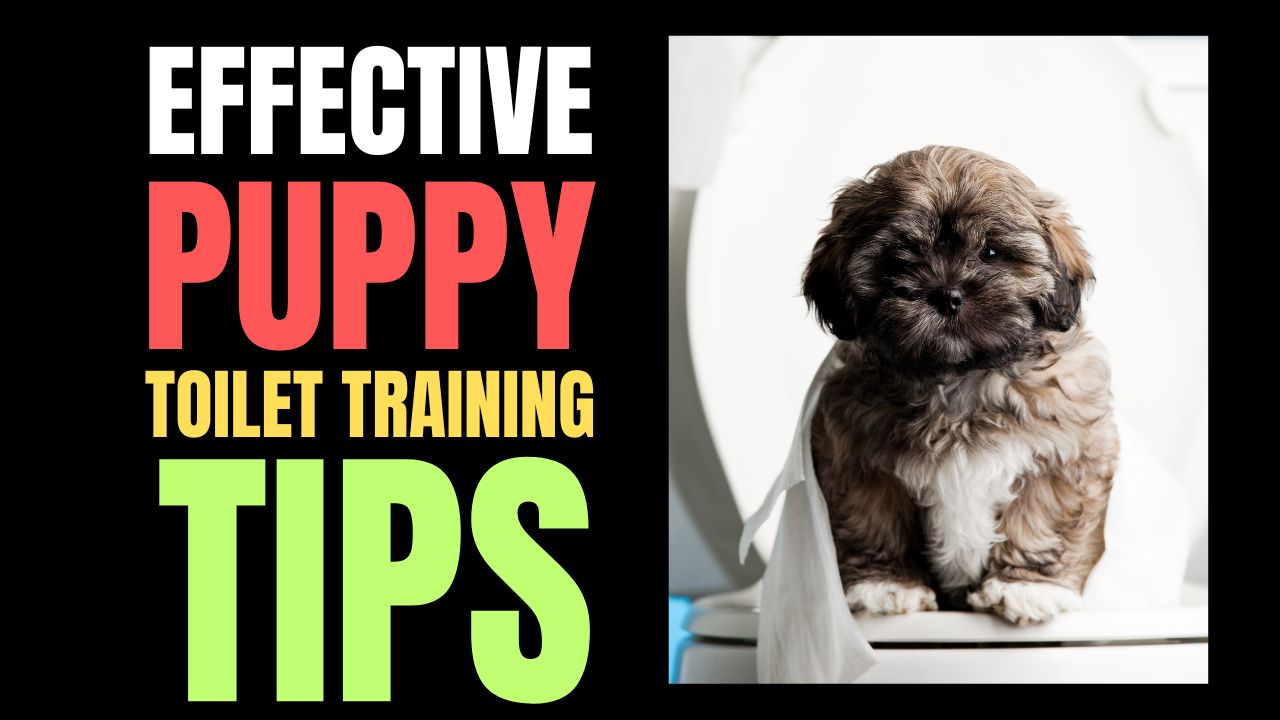
Effective Puppy Toilet Training Tips
Toilet training a new puppy doesn't have to be a stressful, frustrating experience filled with accidents and confusion. With the right approach, consistent schedule, and effective rewards system, you can successfully house train your puppy in a surprisingly short amount of time. The key lies in understanding your puppy's natural rhythms and working with their biology rather than against it.
Many new puppy owners are surprised to learn that toilet training timelines vary significantly by breed size. While small breeds might take 4-6 months to fully master bladder control, larger breeds often achieve reliability in just 3-4 months. Understanding these differences helps set realistic expectations and prevents unnecessary frustration for both you and your puppy.
The golden rule of puppy toilet training is simple: prevention is always easier than correction. By establishing a consistent routine, recognizing your puppy's signals, and rewarding success immediately, you can dramatically reduce accidents and build positive habits that last a lifetime. This comprehensive guide will walk you through every step of the process, from understanding your puppy's bathroom biology to creating the perfect training schedule and using rewards that accelerate learning.
Understanding Your Puppy's Bathroom Biology
Successful toilet training begins with understanding your puppy's physical limitations and natural rhythms. Puppies have tiny bladders and developing nervous systems, which means they need to eliminate much more frequently than adult dogs.
How Often Puppies Need to Go
| Puppy Age | Frequency | Bladder Capacity |
|---|---|---|
| 8-10 weeks | Every 30-60 minutes | Very limited - about 1 hour max |
| 10-16 weeks | Every 1-2 hours | Developing - 2 hours maximum |
| 4-6 months | Every 2-4 hours | Improving - 3-4 hours possible |
| 6+ months | Every 4-6 hours | Nearly adult capacity |
Tiny Bladder vs. Growing Control
A puppy's bladder control develops gradually as they mature. At 8 weeks, most puppies have virtually no bladder control and will need to eliminate immediately upon feeling the urge. By 12 weeks, they're beginning to develop some control but still need frequent opportunities. By 6 months, most puppies have developed near-adult bladder capacity but may still have accidents if their routine is disrupted.
The Age Plus One Rule
A helpful guideline for estimating how long your puppy can hold their bladder is the "age in months plus one" rule. For example, a 3-month-old puppy can typically hold it for about 4 hours (3+1). However, this is a maximum under ideal conditions, and you should always provide more frequent opportunities, especially during active play or after eating and drinking.
Warning Signs Your Puppy Needs to Go NOW
Learning to recognize your puppy's pre-potty signals is crucial for preventing accidents. Common signs include:
Sniffing & Circling
Intense sniffing of the ground followed by circling behavior indicates your puppy is looking for the perfect spot to eliminate.
Heading to the Door
Many puppies will go to the door they typically use to go outside when they need to eliminate.
Restlessness & Pacing
Sudden restlessness or pacing, especially after waking up or playing, often signals an urgent need to go.
Whining or Barking
Some puppies will vocalize their need to go outside, especially if they've been rewarded for this behavior in the past.
The Perfect Puppy Toilet Training Schedule
Consistency is the foundation of successful toilet training. A predictable schedule helps your puppy understand when and where they should eliminate, reducing confusion and accidents.
8–10 Week Old Puppies
Morning Routine
Immediately After Waking
Take puppy out first thing in the morning, before any play or feeding. Wait until they eliminate, then reward enthusiastically.
Critical: No delays allowed
After Meals
15-30 Minutes After Eating
Puppies typically need to eliminate within 30 minutes of eating. Take them out and wait patiently for results.
Consistency builds habits
After Play Sessions
Immediately After Playing
Excitement and activity stimulate the bladder and bowels. Always take your puppy out after vigorous play.
Prevents surprise accidents
Sample Daily Timetable for 8-10 Week Old Puppies
| Time | Activity | Toilet Opportunity |
|---|---|---|
| 6:00 AM | Wake up | Immediate trip outside |
| 6:30 AM | Breakfast | Outside 15-20 minutes after eating |
| 8:00 AM | Play session | Outside immediately after playing |
| 9:30 AM | Nap time | Outside immediately upon waking |
| 11:00 AM | Lunch | Outside 15-20 minutes after eating |
| 12:30 PM | Play session | Outside immediately after playing |
| 2:00 PM | Nap time | Outside immediately upon waking |
| 4:00 PM | Quiet time | Outside on schedule (every 2 hours) |
| 5:30 PM | Dinner | Outside 15-20 minutes after eating |
| 7:00 PM | Evening play | Outside immediately after playing |
| 9:00 PM | Last outing | Final trip outside before bedtime |
Schedule Adaptation for Older Puppies
As your puppy grows, you can gradually extend the time between toilet breaks. For 10-16 week old puppies, increase intervals to every 2-3 hours. For 4-6 month old puppies, you can typically extend to 3-4 hours between trips outside. Always watch for your individual puppy's signals rather than strictly adhering to timelines, as each puppy develops at their own pace.
Setting Up for Success
Proper preparation dramatically increases your chances of toilet training success. The right environment, tools, and mindset make the process smoother for both you and your puppy.
Crate Training: Your #1 Toilet-Training Superpower
When used correctly, crate training is the most effective tool for toilet training. Dogs have a natural instinct to keep their sleeping area clean, which means they'll try to avoid eliminating in their crate. This helps teach bladder control and prevents accidents when you can't directly supervise your puppy.
Crate Training Don'ts
Never use the crate as punishment, as this creates negative associations. Don't leave your puppy in the crate for longer than they can realistically hold their bladder. For young puppies, this means no more than 2-3 hours at a time during the day. The crate should be just large enough for your puppy to stand up, turn around, and lie down comfortably—any larger and they may use one corner as a bathroom.
Choosing the Right Potty Area
The ideal potty area depends on your living situation:
Yard Access
If you have a yard, choose a specific area and always take your puppy to that spot. The consistent location and smells will trigger elimination.
Apartment Balcony
For balcony training, use artificial grass patches with proper drainage. Always clean thoroughly to prevent odors and bacteria buildup.
Pee Pads Indoors
Pee pads can be useful for high-rise living or during extreme weather. Place them in a consistent location and gradually move them closer to the door.
Litter Box Options
Some small breeds adapt well to litter boxes filled with paper-based or grass-like litter. This is especially useful for toy breeds and elderly owners.
Essential Supplies Checklist
- Properly sized crate
- High-value training treats
- Enzymatic cleaner for accidents
- Pee pads or artificial grass (if needed)
- Leash and collar/harness
- Poop bags for cleanup
- Potty bells for door signaling
- Waterproof mattress cover for crate
- Multiple absorbent towels
- Pet-safe disinfectant spray
Step-by-Step Toilet Training Method That Actually Works
This proven method combines consistency, timing, and positive reinforcement to create reliable toilet habits in your puppy.
The 6 Core Rules Every Puppy Owner Must Follow
Supervise Constantly
When your puppy is out of their crate, keep them in the same room with you and watch for pre-potty signals. Use baby gates to limit access to other areas of your home.
Follow the Schedule Rigorously
Take your puppy out first thing in the morning, after meals, after play, after naps, and before bedtime. Add extra trips every 1-2 hours for young puppies.
Use a Consistent Cue Word
Choose a specific phrase like "go potty" or "do your business" and use it consistently right before your puppy eliminates. They'll eventually learn to associate the cue with the action.
Take Them to the Same Spot
Always take your puppy to the same elimination area. The familiar smells will trigger their need to go, speeding up the process.
Wait Patiently
Give your puppy 5-10 minutes to eliminate. If they don't go, bring them inside, confine them for 15 minutes, then try again. This teaches them to go when they have the opportunity.
Reward Immediately
The moment your puppy finishes eliminating, praise enthusiastically and give a high-value treat. The timing of this reward is critical for making the connection.
What to Do the Second They Finish (The Magic Moment)
The 3-second window after your puppy finishes eliminating is the most critical teaching moment. Immediately:
- Offer enthusiastic praise ("Good potty!") in a happy, excited voice
- Give a high-value treat that your puppy loves
- Offer brief play or affection as additional reinforcement
- Use your cue word again to reinforce the connection
The Power of Timing
Research shows that dogs make the strongest connections between behavior and reward when the reward occurs within 1-3 seconds of the behavior. This is why immediate reinforcement is so crucial in toilet training. If you wait until you're back inside to reward, your puppy may associate the reward with coming inside rather than with eliminating outside.
Rewards That Speed Up Training 10×
Choosing the right rewards and delivering them effectively can dramatically accelerate your puppy's toilet training progress.
Best Treats for Potty Training
For toilet training, you need treats that are:
- High-value: Something your puppy loves and doesn't get at other times
- Tiny: Small enough to eat quickly without chewing
- Easy to carry: Convenient to have with you during potty trips
| Treat Type | Examples | Best For |
|---|---|---|
| Commercial Training Treats | Zuke's Mini Naturals, Blue Bits | Convenience and consistency |
| Freeze-Dried Protein | Freeze-dried liver, chicken, or fish | High-value motivation |
| Soft Human Food | Small bits of cheese, hot dog, or chicken | Extremely picky eaters |
| Special Kibble | Reserve portion of daily meals | Puppies with sensitive stomachs |
Praise Techniques That Work Better Than Food
While food rewards are highly effective, combining them with the right type of praise creates even stronger reinforcement:
Enthusiastic Voice
Use a happy, excited tone that's noticeably different from your normal speaking voice. This special "potty party" voice makes the reward more meaningful.
Play Reward
For puppies who are highly play-motivated, 30 seconds of their favorite game can be more rewarding than any treat.
Physical Affection
Some puppies are particularly responsive to petting, scratching, or gentle pats as reinforcement for successful elimination.
Variable Rewards
Once your puppy understands the basics, switch to unpredictable rewards (sometimes treat, sometimes praise, sometimes play) to build stronger habits.
When and How to Fade Rewards Without Losing Progress
Once your puppy is consistently eliminating in the appropriate place (approximately 4-6 weeks of accident-free behavior), you can begin fading rewards:
- Start by rewarding only every other successful elimination
- Gradually increase the ratio to every third, then every fourth success
- Replace food rewards with praise and petting
- Eventually, phase out the special "potty party" praise and return to normal interaction
- Occasionally surprise your dog with a random treat to maintain the behavior
The Variable Ratio Reinforcement Secret
Psychological research shows that behaviors reinforced on a variable ratio schedule (unpredictable rewards) are actually more resistant to extinction than those reinforced every time. This is why slot machines are so addictive. By gradually moving to an unpredictable reward schedule for toilet behavior, you create habits that persist even when rewards become rare.
Common Accidents & How to Fix Them Fast
Even with the best training, accidents happen. How you respond determines whether they become learning opportunities or established patterns.
Peeing the Moment You Come Home
This common issue typically stems from excitement or submissive urination. Solutions include:
- Keep greetings calm and low-key when you arrive home
- Ignore your puppy for the first 2-3 minutes after entering
- Take your puppy directly outside before any interaction
- Avoid direct eye contact and bending over your puppy during greetings
- Practice short separation periods to reduce over-excitement upon reunion
Submissive/Excitement Peeing Solutions
Some puppies, particularly young ones, urinate when feeling excited or submissive. Management strategies include:
- Greet your puppy outside to contain the mess
- Avoid towering over your puppy—approach from the side or crouch down
- Ignore excited behavior until your puppy calms down
- Teach visitors to ignore your puppy until they're calm
- Build confidence through positive training and socialization
Going Potty Inside Right After Being Outside
This frustrating behavior usually occurs because:
- Your puppy didn't fully empty their bladder outside
- They're being brought inside too quickly after eliminating
- They've learned that eliminating outside ends the fun outdoor time
Solutions include staying outside for 5-10 minutes after elimination, ensuring your puppy empties completely, and following outdoor time with a fun indoor activity.
How to Properly Clean Accidents
Never use ammonia-based cleaners, as they smell similar to urine and may attract your puppy back to the same spot. Instead, use enzymatic cleaners specifically designed for pet stains. These break down the proteins in urine that cause lingering odors. Blot (don't rub) the area, apply cleaner according to directions, and allow to dry completely. For carpeted areas, you may need to treat the pad beneath the carpet as well.
Nighttime Toilet Training
Night training requires different strategies than daytime training, as you're dealing with longer periods without supervision and a sleeping puppy.
How to Survive the First Few Weeks
The first 2-3 weeks are the most challenging for nighttime training. Strategies for success include:
- Set an alarm for 2-3 AM potty breaks for young puppies
- Keep nighttime trips business-like—no play or excitement
- Use a flashlight or dim lighting to avoid fully waking your puppy
- Place the crate near your bed so you can hear stirring or whining
- Use a white noise machine to help your puppy sleep through minor disturbances
Last Potty Before Bed + First Thing Morning Routine
Establishing consistent bedtime and morning routines helps regulate your puppy's system:
Bedtime Routine
Take water away 2 hours before bedtime. Offer final potty opportunity right before crating. Keep the routine calm and predictable.
Morning Routine
Take puppy directly outside upon waking—no delays for coffee, getting dressed, or checking your phone. Reward successful elimination enthusiastically.
When You Can Finally Sleep Through the Night
Most puppies can sleep through the night without potty breaks by 4-6 months of age, though this varies by individual and breed size. Signs your puppy is ready include:
- Consistently waking up dry after 6-8 hours
- No longer whining or stirring during the night
- Being able to hold their bladder for 4+ hours during the day
- Eliminating immediately upon morning outing rather than urgently
The Gradual Extension Method
Rather than suddenly expecting your puppy to sleep through the night, gradually extend the time between nighttime potty breaks. If you're currently getting up at 2 AM, try pushing it to 2:30 for a few nights, then 3 AM, and so on. Most puppies adapt well to this gradual approach, and you'll both get more uninterrupted sleep over time.
Special Cases
Some situations require adjustments to the standard toilet training approach. Understanding these special cases helps you tailor your methods for success.
Toilet Training Toy/Small Breeds
Small and toy breeds present unique challenges for toilet training:
- They have tiny bladders and higher metabolisms, requiring more frequent opportunities
- They may be more sensitive to weather conditions, making outdoor training difficult
- Their small size makes accidents easier to miss or ignore
- They may develop "small dog syndrome" if not trained as rigorously as larger breeds
Solutions include more frequent potty breaks, indoor alternatives during bad weather, and maintaining the same training standards you would with a larger dog.
Apartment Living with No Yard
High-rise living requires strategic planning for toilet training success:
- Use balcony solutions like artificial grass or litter boxes during extreme weather
- Teach your puppy to use a specific surface (grass, concrete, mulch) for consistency
- Practice elevator etiquette and hallway behavior as part of training
- Keep a "go bag" by the door with treats, bags, and keys for quick trips
- Consider pee pad training as a backup for when you can't make it outside quickly enough
Adopting an Older Puppy or Rescue
Older puppies and rescues may come with established habits, both good and bad:
- Start from scratch as if they were a young puppy, regardless of age
- Be patient with possible fear or anxiety related to previous experiences
- Watch for submissive or excitement urination, which is common in rescues
- Use enzymatic cleaner thoroughly to remove any previous accident smells
- Consult with a veterinarian to rule out medical issues causing accidents
The Rescue Dog Advantage
While rescue dogs may come with challenges, they often have some advantages in toilet training. Many are already partially house-trained or have better bladder control than young puppies. They're typically more emotionally mature and able to focus better during training sessions. With patience and consistency, most rescue dogs catch on to house training routines surprisingly quickly.
Red Flags: When to Call the Vet
While most toilet training challenges are behavioral, some symptoms indicate potential medical issues that require veterinary attention.
Frequent Accidents After 6 Months
If your puppy is still having frequent accidents after 6 months of age despite consistent training, consider these potential medical causes:
- Urinary tract infections
- Bladder stones or crystals
- Anatomical abnormalities
- Hormonal imbalances
- Diabetes or kidney disease
- Spinal or neurological issues
Straining, Blood, or Sudden Changes
These symptoms always warrant immediate veterinary attention:
Straining to Urinate
Difficulty urinating, especially in male dogs, can indicate a life-threatening urinary blockage.
Blood in Urine
Red or pink-tinged urine indicates infection, stones, or other serious conditions.
Sudden Frequency Changes
Abrupt increases in urination frequency can signal diabetes, kidney disease, or UTIs.
Accidents with Other Symptoms
House soiling combined with lethargy, vomiting, or appetite changes requires prompt evaluation.
Medical vs. Behavioral Issues
It's crucial to distinguish between behavioral and medical causes of house soiling. Behavioral accidents typically occur in specific contexts (when left alone, during excitement, etc.) and the puppy usually appears otherwise healthy. Medical issues often involve changes in urine characteristics, frequency patterns that don't make sense contextually, and may be accompanied by other symptoms like increased thirst or lethargy. When in doubt, consult your veterinarian.
Week-by-Week Progress Tracker
Tracking your puppy's progress helps you stay motivated and identify patterns that need adjustment. Here's what success looks like at various stages.
What Success Looks Like
| Timeframe | Expected Progress | Common Challenges |
|---|---|---|
| Week 2 | Understanding potty area concept Fewer than 3 accidents daily | Frequent need for trips outside Learning to signal need to go |
| Week 4 | Beginning to signal need to go 1-2 accidents daily | Excitement urination Forgetting to signal when distracted |
| Week 8 | Reliable signaling Less than 1 accident weekly | Occasional regression during stress New environments causing confusion |
| Week 12 | Fully house trained Accidents very rare | Maintaining consistency Generalizing to new locations |
Printable Checklist for Success
Use this checklist to track your puppy's toilet training milestones:
Week 2 Milestones
- Understands potty area location
- Responds to cue word occasionally
- Fewer than 3 accidents daily
- Comfortable in crate
Week 4 Milestones
- Beginning to signal need to go
- Consistently responds to cue word
- 1-2 accidents daily at most
- Sleeping 4-5 hours at night
Week 8 Milestones
- Reliably signals need to go
- Less than 1 accident weekly
- Holding bladder 3-4 hours daytime
- Sleeping 6+ hours at night
Week 12 Milestones
- Fully house trained
- Accidents very rare
- Holding bladder 4-6 hours
- Sleeping through the night
The Power of Tracking
Keeping a simple log of your puppy's elimination patterns, accidents, and successes can reveal patterns you might otherwise miss. Note the time, location, and circumstances of each elimination and accident. After a week, review your log to identify trends. You might discover, for example, that accidents consistently happen 45 minutes after meals, indicating you need to adjust your schedule. This data-driven approach takes the guesswork out of toilet training.
Conclusion: You've Got This!
Toilet training a puppy requires patience, consistency, and understanding, but the payoff is immense—a well-trained companion who understands where and when to eliminate. Remember that accidents are part of the learning process, not failures. Each successful outdoor elimination brings you closer to your goal.
The most important elements of successful toilet training are a consistent schedule, immediate reward for desired behavior, proper supervision, and patience during setbacks. By understanding your puppy's biological limitations and working with their natural rhythms, you can make the process smoother and less stressful for both of you.
The amazing payoff of a fully house-trained dog is worth every moment of effort. You'll enjoy the freedom of knowing your dog can be trusted in your home, the convenience of predictable elimination patterns, and the deep bond that comes from successfully navigating this important training milestone together. With the strategies outlined in this guide, you have everything you need to successfully toilet train your puppy and enjoy many accident-free years together.
In the Spotlight


About the Author

Andrea Arden
Author
Andrea Arden is a leading dog behavior expert, author, and media personality featured on Animal Planet, the Today Show, and more. She has written acclaimed dog training books and served on boards for major animal welfare organizations.